To ensure that the local workforce is equipped to fill these new roles, the funding package also places a heavy emphasis on education and professional development. The investment will enable 350 learners per year to enhance their skill sets through industry-aligned training programs. This educational component is vital for bridging the "skills gap" that often hinders the rapid expansion of emerging industries. By aligning training with the specific needs of clean energy employers, the initiative ensures that the 500 newly created jobs can be filled by local residents. This focus on human capital is a cornerstone of the Just Transition philosophy, which posits that a successful economic shift requires not just new machines and buildings, but a workforce that is empowered with relevant, modern expertise.
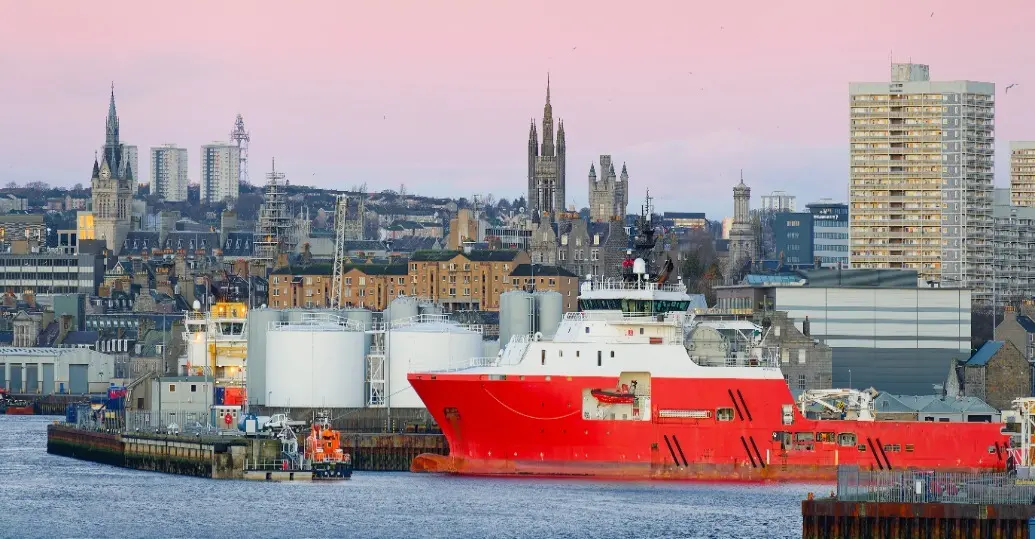
The economic context for this investment is substantial. Recent data indicates that green jobs already contribute approximately £10.2 billion to the Scottish economy, and the 2026 funding round is intended to build upon this momentum. By investing in the North East, the government is doubling down on a region that has served as the backbone of Scotland’s energy sector for decades. The goal is to transform the area from the "oil capital of Europe" into a premier hub for green innovation. The First Minister’s announcement underscores the belief that the expertise gained during the oil and gas era—ranging from subsea engineering to complex project management—is directly transferable to the offshore wind, hydrogen, and carbon capture sectors.
During the official opening of the funding round, First Minister John Swinney emphasized the strategic importance of the North East in Scotland’s national energy strategy. He noted that while the country will continue to utilize oil and gas for years to come to ensure energy security and economic stability, the foundation of the future must be built on clean energy. Swinney’s remarks reflected a pragmatic approach to the energy transition, acknowledging the ongoing role of traditional resources while firmly pivoting toward a renewable future. He stated that the funding would ensure the North East remains at the forefront of this global shift, utilizing its unique geographical advantages and its highly skilled population to lead the way.
The First Minister further characterized Scotland as an "energy superpower," a term that highlights the country’s vast potential in wind, tidal, and solar power. He argued that the workers, businesses, and communities of the North East are the essential components required to capitalize on these remarkable renewable resources. By framing the transition as an opportunity for national leadership rather than a managed decline, the government is seeking to inspire confidence among investors and local residents alike. The rhetoric of an "energy superpower" serves to remind the public that the natural resources of the North Sea remain a source of immense national wealth, provided the right investments are made to transition from extraction to generation.