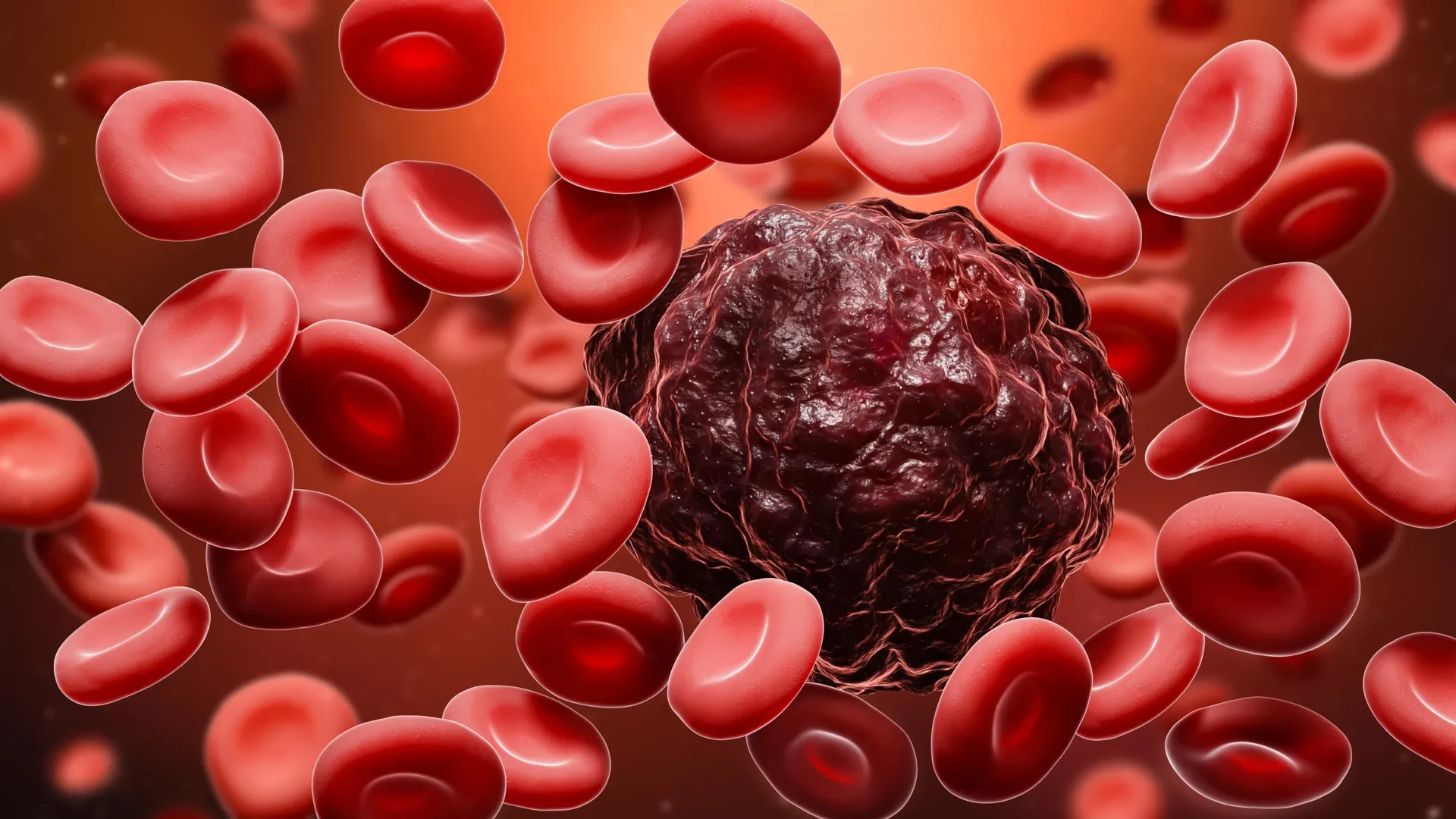
For patients battling the most aggressive forms of blood cancer, a stem cell transplant often represents the final line of defense—the only treatment with the potential to provide a definitive cure. However, the reality of clinical oncology is frequently more complex. Even after the grueling process of a transplant, cancers can and do return, often leaving physicians with a dwindling arsenal of effective options. When a relapse occurs post-transplantation, the prognosis is typically poor, as the patient’s immune system is already compromised and the malignant cells have often developed resistance to standard therapies.
A pioneering clinical trial led by researchers at Washington University School of Medicine in St. Louis suggests a paradigm shift may be on the horizon. The study, recently published in the journal Nature Medicine, demonstrates that genetically modifying donor stem cells before they are transplanted can create a "shield" for the patient’s new immune system. This strategy involves the precise removal of a specific protein from donor cells, a move designed to make follow-up cancer treatments significantly safer and more potent. By rendering healthy transplanted cells invisible to certain therapies, doctors can more aggressively target the remaining cancer cells without the collateral damage that has long hampered such treatments.
The multi-center study was conducted at the Siteman Cancer Center, based at Barnes-Jewish Hospital and WashU Medicine, along with 14 other prominent research sites across the United States and Canada. The findings represent a significant leap forward in the application of gene editing within the field of hematologic oncology.
A Major Challenge for CAR-T Therapy
The primary motivation behind this research is the need to overcome a persistent obstacle in the treatment of myeloid malignancies. While Chimeric Antigen Receptor-T (CAR-T) cell therapy has revolutionized the treatment of certain B-cell lymphomas and leukemias, its success has been frustratingly limited in other areas. Specifically, CAR-T therapy has struggled to gain a foothold against diseases such as acute myeloid leukemia (AML) and myelodysplastic syndrome (MDS).
According to the study’s corresponding author, John F. DiPersio, MD, PhD, the Virginia E. & Sam J. Golman Professor of Medicine at WashU Medicine, the bottleneck lies in the shared biology between cancerous and healthy cells. "The problem," DiPersio explained, "is that many proteins found on AML and MDS cancer cells also appear on healthy myeloid cells, including donor stem cells used in transplantation."
In the context of CAR-T therapy, the treatment involves engineering a patient’s own T cells to recognize and attack a specific protein—an antigen—found on the surface of cancer cells. However, if that target protein is also expressed on the surface of healthy blood-forming stem cells, the CAR-T cells cannot distinguish between the "enemy" and the "ally." Consequently, the therapy may systematically destroy the very cells intended to rebuild the patient’s blood and immune systems.
This "off-target" destruction can trigger a cascade of dangerous clinical outcomes. Beyond the immediate loss of healthy blood cells, the conflict can spark a severe inflammatory response. Furthermore, the efficacy of the cancer treatment itself is diluted; when vast numbers of CAR-T cells are occupied attacking healthy targets, fewer are available to concentrate on the malignant cells that threaten the patient’s life.
The conceptual framework for bypassing this biological stalemate was first articulated by Miriam Y. Kim, MD, who is now an assistant professor of medicine at WashU Medicine. Kim’s research journey began as a postdoctoral researcher at the University of Pennsylvania, and she continued to refine the approach within DiPersio’s laboratory before establishing herself as an independent investigator. Today, she treats patients at Siteman Cancer Center, bridging the gap between laboratory innovation and bedside care.
Removing CD33 From Healthy Stem Cells
The focal point of this new clinical strategy is a protein known as CD33. In the trial, patients diagnosed with AML and MDS received donor stem cells that had undergone a sophisticated genetic modification to delete the CD33 protein. The objective was to produce a lineage of healthy blood cells that lacked the specific "hook" that many modern immunotherapies use to latch onto and destroy their targets.
"We are encouraged by the results of this study showing that a CD33-deleted stem cell transplant looks very similar to the outcomes of standard stem cell transplantation," said DiPersio, who also serves as the director of WashU Medicine’s Center for Gene and Cellular Immunotherapy. "In the future, we are hopeful we will be able to combine this with CD33-targeted immunotherapies, such as CAR-T cells, and improve treatment options for patients with these very aggressive blood cancers."
The potential of this "deletion-shielding" approach was highlighted in a remarkable single-case report involving a patient with high-risk AML. After receiving a CD33-deleted stem cell transplant, the patient eventually faced a recurrence of the cancer. Because the patient’s healthy blood system was now "CD33-negative," doctors were able to administer CD33-targeted CAR-T cells derived from the original stem cell donor.
The results were profound. The patient, who suffered from one of the most aggressive and traditionally untreatable forms of AML, entered a state of complete remission. More than a year after the CAR-T intervention, the patient remained cancer-free. Crucially, the patient’s normal blood cell production returned to healthy levels, and all those new cells lacked the CD33 protein. This confirmed that the genetically engineered donor cells had successfully and permanently established themselves in the bone marrow, providing a durable and "invisible" foundation for the patient’s blood system. This specific case study was published in the October 2025 issue of JCO Precision Oncology.
Shielding Healthy Blood Cells
CD33 is considered an ideal target for this gene-editing strategy for several reasons. First, the protein is found almost exclusively on blood-forming cells and is not present on other vital tissues, such as the heart, lungs, or liver. Second, and perhaps most importantly, CD33 appears to be non-essential for the normal functioning of blood stem cells. Research has shown that individuals born with a natural genetic deficiency of CD33 do not suffer from any apparent health problems or immune deficiencies.
By using CRISPR gene-editing technology to remove CD33 from donor stem cells, researchers essentially create a biological "blind spot" for therapies. Once the edited cells are transplanted and begin to proliferate, any cell in the patient’s body still carrying the CD33 protein is, by definition, a malignant cell. This allows a CAR-T therapy or a targeted antibody to act like a heat-seeking missile that can only see the cancer, leaving the healthy, donor-derived blood system untouched.
The Phase 1/2 multicenter trial focused on 30 adults with AML or MDS who were at high risk of relapse—a group for whom standard transplant protocols often fail. The gene-edited stem cell product used in the trial is known as tremtelectogene empogeditemcel, or "trem-cel." Developed by the biotechnology company Vor Biopharma, which also funded the study, trem-cel represents one of the first applications of CRISPR-edited donor tissue to be tested at this scale.
Testing a CD33-Targeted Cancer Treatment
To prove that these edited stem cells could truly withstand a CD33-directed attack, the trial included a "stress test" in the form of post-transplant maintenance therapy. Patients were given gemtuzumab ozogamicin, an FDA-approved drug for CD33-positive AML.
Unlike CAR-T therapy, gemtuzumab ozogamicin is an antibody-drug conjugate. It consists of an engineered antibody that seeks out CD33 and delivers a potent anti-cancer toxin directly into the cell. While the drug is effective at preventing relapse, its clinical utility has historically been restricted by its toxicity. It frequently causes severe liver damage and "myelosuppression"—a dangerous drop in white blood cells, red blood cells, and platelets—because it attacks the healthy blood-forming cells that also carry CD33.
In this trial, however, the researchers hypothesized that the CD33-deleted "trem-cel" would be immune to the drug’s destructive side effects. If the theory held, patients could receive the maintenance therapy safely, keeping the cancer at bay while their blood counts remained stable.
Gene-Edited Cells Successfully Engrafted
The primary hurdle for any stem cell transplant, edited or otherwise, is engraftment—the process by which the new cells migrate to the bone marrow and begin the vital work of producing new blood. In this trial, all 30 patients achieved successful engraftment by day 28. On average, patients saw a return of platelet production by day 16, a timeline that mirrors the recovery rates seen in conventional, non-edited transplants.
The fact that the recovery times were standard is a critical finding; it suggests that the CRISPR editing process did not "weaken" the stem cells or impair their ability to take root and function.
The average survival of the participants during the trial period was just over 14 months. Nineteen of the patients progressed to the maintenance phase, receiving at least one cycle of gemtuzumab ozogamicin. Researchers used a dose-escalation protocol to determine the safest and most effective amount of the drug to administer in this new context.
The data revealed a striking success: across the various dosage levels, patients were able to maintain their blood cell counts. This provided clear evidence that the gene-edited transplant had shielded the patients from the profound cytopenia (low blood counts) that typically accompanies the use of this drug after a standard transplant. For the first time, doctors could use a powerful maintenance tool without the fear of destroying the patient’s newly established blood system.
Side Effects Remained Similar to Standard Transplants
Safety is the paramount concern in any first-in-human gene-editing trial. The researchers closely monitored the patients for any adverse effects that might be unique to the CRISPR modification. However, the side effects observed were consistent with the well-known risks of any hematopoietic stem cell transplant.
Common complications included anemia, low platelet counts, fever, and various infections. Additionally, some patients experienced graft-versus-host disease (GvHD), a condition where the donor’s immune cells identify the recipient’s body as "foreign" and begin to attack healthy tissues. These are standard challenges in the field of transplantation and did not appear to be exacerbated by the genetic editing of the CD33 protein.
The study did report seven deaths. Four of these were attributed to the progression of the underlying cancer, highlighting the high-risk nature of the patient population. The remaining three deaths were linked to complications inherent to the transplant process itself, including kidney failure, liver toxicity, and sepsis.
Ultimately, Dr. DiPersio and his colleagues believe these findings provide a robust foundation for a new era of "paired" oncology treatments. By combining the precision of gene editing with the power of targeted immunotherapy, they hope to create a clinical environment where doctors can attack cancer with maximum aggression while providing the patient’s healthy cells with a permanent, genetically engineered suit of armor. The goal is no longer just to treat the cancer, but to rebuild a blood system that is fundamentally resistant to the very therapies needed to keep the patient alive and in remission.