Gene-Edited Cells Successfully Engrafted
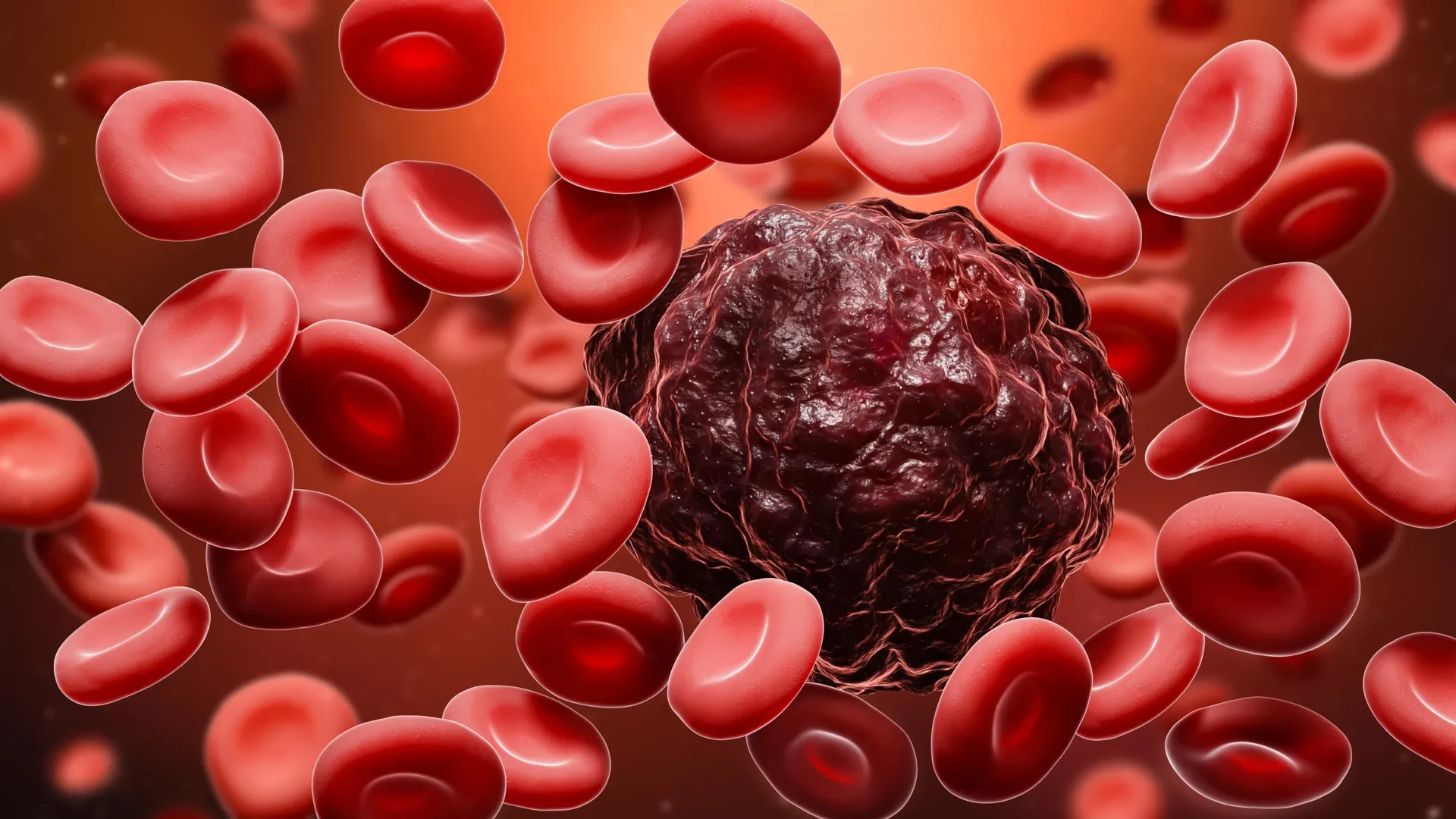
The primary hurdle for any stem cell transplant, edited or otherwise, is engraftment—the process by which the new cells migrate to the bone marrow and begin the vital work of producing new blood. In this trial, all 30 patients achieved successful engraftment by day 28. On average, patients saw a return of platelet production by day 16, a timeline that mirrors the recovery rates seen in conventional, non-edited transplants.
The fact that the recovery times were standard is a critical finding; it suggests that the CRISPR editing process did not "weaken" the stem cells or impair their ability to take root and function.
The average survival of the participants during the trial period was just over 14 months. Nineteen of the patients progressed to the maintenance phase, receiving at least one cycle of gemtuzumab ozogamicin. Researchers used a dose-escalation protocol to determine the safest and most effective amount of the drug to administer in this new context.
The data revealed a striking success: across the various dosage levels, patients were able to maintain their blood cell counts. This provided clear evidence that the gene-edited transplant had shielded the patients from the profound cytopenia (low blood counts) that typically accompanies the use of this drug after a standard transplant. For the first time, doctors could use a powerful maintenance tool without the fear of destroying the patient’s newly established blood system.
Side Effects Remained Similar to Standard Transplants
Safety is the paramount concern in any first-in-human gene-editing trial. The researchers closely monitored the patients for any adverse effects that might be unique to the CRISPR modification. However, the side effects observed were consistent with the well-known risks of any hematopoietic stem cell transplant.
Common complications included anemia, low platelet counts, fever, and various infections. Additionally, some patients experienced graft-versus-host disease (GvHD), a condition where the donor’s immune cells identify the recipient’s body as "foreign" and begin to attack healthy tissues. These are standard challenges in the field of transplantation and did not appear to be exacerbated by the genetic editing of the CD33 protein.
The study did report seven deaths. Four of these were attributed to the progression of the underlying cancer, highlighting the high-risk nature of the patient population. The remaining three deaths were linked to complications inherent to the transplant process itself, including kidney failure, liver toxicity, and sepsis.
Ultimately, Dr. DiPersio and his colleagues believe these findings provide a robust foundation for a new era of "paired" oncology treatments. By combining the precision of gene editing with the power of targeted immunotherapy, they hope to create a clinical environment where doctors can attack cancer with maximum aggression while providing the patient’s healthy cells with a permanent, genetically engineered suit of armor. The goal is no longer just to treat the cancer, but to rebuild a blood system that is fundamentally resistant to the very therapies needed to keep the patient alive and in remission.