Dr. Angela Wilkinson, the Chief Executive Officer of the World Energy Council, emphasized that the nature of the challenge has shifted from a focus on individual components to a focus on the system as a whole. According to Dr. Wilkinson, the industry has reached a point where integration and interoperability have become the defining themes of the era. She noted that leadership in the current climate requires a holistic approach that connects the various parts of each system and enables different pathways to work in harmony. The ultimate goal, she reminded stakeholders, is not just the technical achievement of a green transition, but the continued delivery of energy that supports better lives and fosters stronger, more resilient economies.
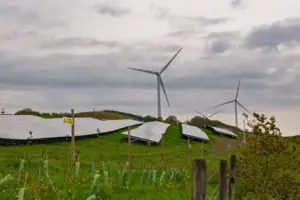
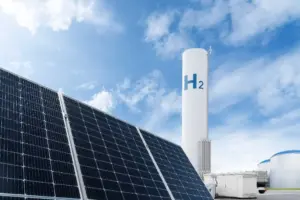
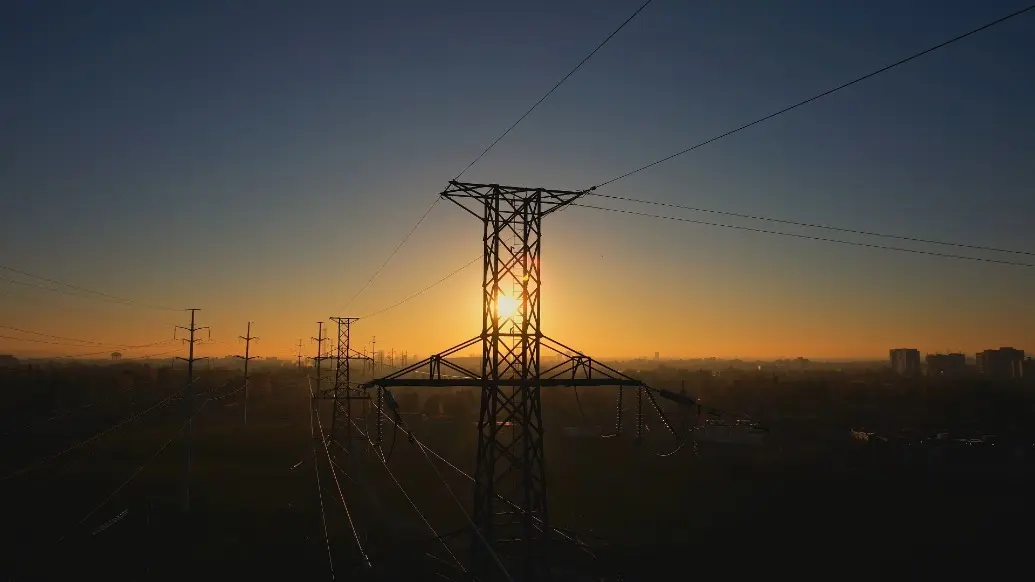
The 2026 report makes a compelling case that the energy transition has moved into a more mature, and arguably more difficult, phase. It is no longer enough to simply add new renewable generation capacity to the mix. While building more wind farms and solar arrays remains essential, the real challenge lies in the "connective tissue" of the energy system. This includes the physical transmission lines, the digital systems that manage grid stability in real-time, the large-scale storage solutions that bridge the gap when the sun isn’t shining or the wind isn’t blowing, and the market mechanisms that incentivize flexible demand. Without greater integration between generation, grids, storage, and the institutions that govern them, the report warns that the surge in consumption could lead to increased volatility and a possible retreat from climate goals in favor of short-term energy security.
The pressures described in the report are not felt equally across the globe, and the regional variations highlight the disparate challenges facing different parts of the world. In Africa, the energy trilemma is viewed through the lens of basic access and economic development. The report points out that approximately 600 million people on the continent still live without access to electricity. For these regions, the priority remains the massive investment needed in basic generation, transmission, and delivery systems. The challenge in Africa is not just about transitioning to cleaner energy, but about building an energy foundation from the ground up that can support industrialization and improve living standards, all while navigating the limitations of global investment flows and local infrastructure gaps.
In contrast, the challenges facing a country like Brazil illustrate the complexities that arise even when a nation has successfully integrated a high percentage of renewables. Brazil currently derives around 90% of its electricity from renewable sources, a feat that makes it a global leader in decarbonization. However, the 2026 report notes that Brazil is increasingly struggling with "curtailment"—a situation where clean energy production must be intentionally reduced because the grid cannot accommodate the excess power or because there is a lack of demand and storage at the moment of peak production. This phenomenon highlights the paradox of the modern transition: even with an abundance of green energy, a lack of sophisticated integration and storage can lead to waste and system instability.
The World Energy Council’s research identifies five key tensions that are currently defining the global energy discourse. The first is the delicate balance between managing the immediate costs of energy for consumers and businesses while simultaneously securing the massive amounts of capital required for long-term infrastructure investment. With inflation and economic uncertainty affecting many regions, the political pressure to keep prices low often clashes with the necessity of funding the transition.