The global energy landscape is currently navigating a period of profound transformation and intensifying pressure, according to the newly released 2026 World Energy Trilemma report. Published by the World Energy Council, the comprehensive study highlights a perfect storm of factors that are testing the resilience of international power systems. At the heart of this tension is a massive surge in electricity demand, driven primarily by the rapid expansion of artificial intelligence, a proliferation of high-density data centers, and the accelerating trend of industrial electrification. These modern demands are clashing with a global environment defined by persistent geopolitical instability and significant infrastructure constraints, creating a complex puzzle for policymakers and energy leaders who must balance the competing needs of energy security, affordability, and sustainability.
The World Energy Trilemma framework has long served as a benchmark for measuring how effectively countries manage these three often-conflicting goals. However, the 2026 report suggests that the difficulty of maintaining this balance has reached a critical juncture. The research, which draws on the expertise and insights of more than 275 senior energy leaders representing 65 different countries, indicates that the traditional methods of managing energy systems are no longer sufficient. As nations strive to meet net-zero targets while ensuring their economies remain competitive and their citizens have access to affordable power, the "trilemma" has become more of a high-stakes tightrope walk than a standard policy exercise.
A primary driver of this new pressure is the meteoric rise of artificial intelligence and the digital infrastructure required to support it. As generative AI and complex machine learning models become integrated into every sector of the global economy, the energy footprint of the data centers that house these technologies has expanded at an eye-watering pace. These facilities require constant, high-volume power supplies and sophisticated cooling systems, placing a localized but significant burden on regional power grids. The report coincides with recent observations in the sector regarding the urgency of this issue, including efforts to drastically reduce the time it takes for new data centers to secure electricity connections—a process that in some regions has historically faced delays of nearly a decade.
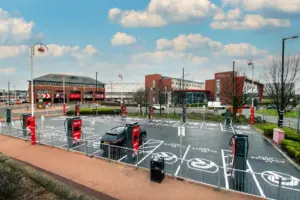
Beyond the digital realm, the broader push toward industrial electrification is further compounding the demand. As manufacturing processes, heavy transport, and residential heating transition away from direct fossil fuel combustion toward electric alternatives, the total load on the global grid is projected to continue its upward trajectory. This shift is a cornerstone of global decarbonization efforts, yet the 2026 report warns that the infrastructure required to support this transition is lagging behind. The consensus among the energy leaders surveyed is clear: the most significant barriers to progress are no longer just about generating enough clean energy, but about how that energy is managed, stored, and delivered.
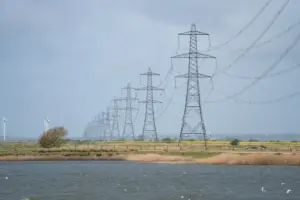
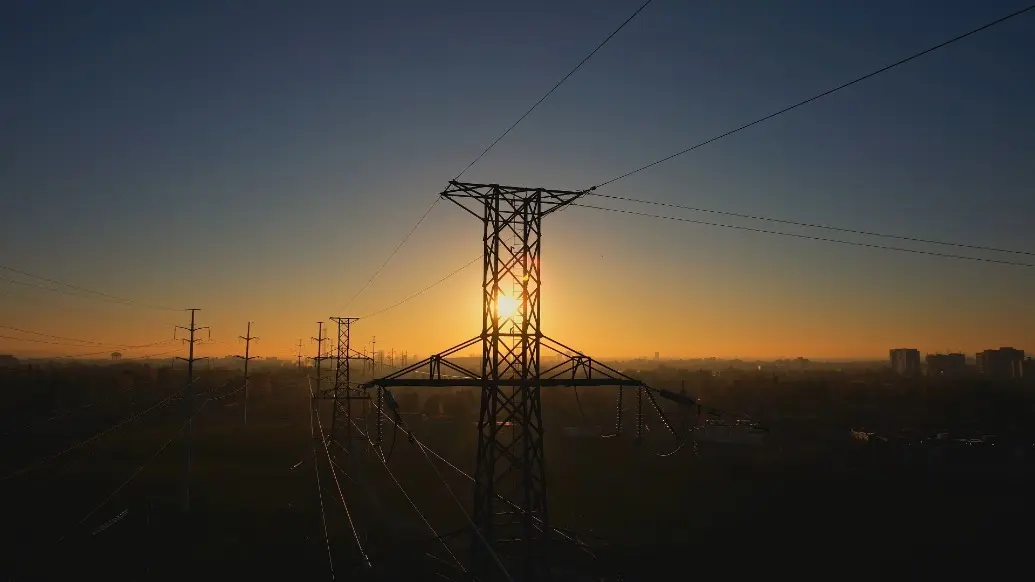
Grids, energy storage, and system integration were identified by the surveyed experts as the three most critical bottlenecks currently facing the global energy transition. For decades, many national grids were designed for a centralized model where power flowed in one direction from large coal, gas, or nuclear plants to passive consumers. Today, that model is being upended by the rise of intermittent renewable sources like wind and solar, the decentralization of energy production through rooftop solar, and the emergence of "prosumers" who both consume and contribute to the grid. The report argues that the current infrastructure is often too rigid to handle the variability and bidirectional flow of a modern, decarbonized energy system.
Dr. Angela Wilkinson, the Chief Executive Officer of the World Energy Council, emphasized that the nature of the challenge has shifted from a focus on individual components to a focus on the system as a whole. According to Dr. Wilkinson, the industry has reached a point where integration and interoperability have become the defining themes of the era. She noted that leadership in the current climate requires a holistic approach that connects the various parts of each system and enables different pathways to work in harmony. The ultimate goal, she reminded stakeholders, is not just the technical achievement of a green transition, but the continued delivery of energy that supports better lives and fosters stronger, more resilient economies.
The 2026 report makes a compelling case that the energy transition has moved into a more mature, and arguably more difficult, phase. It is no longer enough to simply add new renewable generation capacity to the mix. While building more wind farms and solar arrays remains essential, the real challenge lies in the "connective tissue" of the energy system. This includes the physical transmission lines, the digital systems that manage grid stability in real-time, the large-scale storage solutions that bridge the gap when the sun isn’t shining or the wind isn’t blowing, and the market mechanisms that incentivize flexible demand. Without greater integration between generation, grids, storage, and the institutions that govern them, the report warns that the surge in consumption could lead to increased volatility and a possible retreat from climate goals in favor of short-term energy security.
The pressures described in the report are not felt equally across the globe, and the regional variations highlight the disparate challenges facing different parts of the world. In Africa, the energy trilemma is viewed through the lens of basic access and economic development. The report points out that approximately 600 million people on the continent still live without access to electricity. For these regions, the priority remains the massive investment needed in basic generation, transmission, and delivery systems. The challenge in Africa is not just about transitioning to cleaner energy, but about building an energy foundation from the ground up that can support industrialization and improve living standards, all while navigating the limitations of global investment flows and local infrastructure gaps.
In contrast, the challenges facing a country like Brazil illustrate the complexities that arise even when a nation has successfully integrated a high percentage of renewables. Brazil currently derives around 90% of its electricity from renewable sources, a feat that makes it a global leader in decarbonization. However, the 2026 report notes that Brazil is increasingly struggling with "curtailment"—a situation where clean energy production must be intentionally reduced because the grid cannot accommodate the excess power or because there is a lack of demand and storage at the moment of peak production. This phenomenon highlights the paradox of the modern transition: even with an abundance of green energy, a lack of sophisticated integration and storage can lead to waste and system instability.
The World Energy Council’s research identifies five key tensions that are currently defining the global energy discourse. The first is the delicate balance between managing the immediate costs of energy for consumers and businesses while simultaneously securing the massive amounts of capital required for long-term infrastructure investment. With inflation and economic uncertainty affecting many regions, the political pressure to keep prices low often clashes with the necessity of funding the transition.
The second tension involves the pace of the transition itself. While the scientific community and climate advocates stress the need for rapid decarbonization, energy leaders are increasingly concerned about maintaining public support. If the transition is perceived as being too fast, leading to reliability issues or prohibitive costs, it risks a public backlash that could stall progress for years. Ensuring a "just transition" that does not leave vulnerable populations behind is essential for maintaining the social license to operate.
A third tension arises from the intersection of energy security and geopolitical instability. As countries seek to diversify their energy sources and reduce dependence on volatile regions, they often face a "security vs. sustainability" trade-off. In some cases, the need for immediate energy security has led to a temporary resurgence in fossil fuel use, complicating the long-term path to net-zero.
The fourth and fifth tensions revolve around the structural changes needed within the industry. There is an ongoing struggle between centralized and decentralized energy models, as well as the challenge of aligning market designs with the physical realities of a high-renewable grid. The report suggests that existing market frameworks, many of which were designed for the fossil fuel era, often fail to properly value the flexibility and reliability services provided by new technologies like battery storage or demand-response programs.
Ultimately, the 2026 World Energy Trilemma report serves as a call to action for a more integrated and collaborative approach to the global energy challenge. The findings suggest that the technical solutions for a cleaner future largely exist, but the institutional, regulatory, and infrastructural frameworks to support them are lagging. As demand continues to rise, fueled by the digital revolution and the electrification of industry, the window of opportunity to build a truly resilient and sustainable global energy system is narrowing. The message from the world’s energy leaders is clear: the focus must now shift from the parts to the whole, ensuring that every element of the energy value chain works together to power the modern world without compromising the stability of the planet.