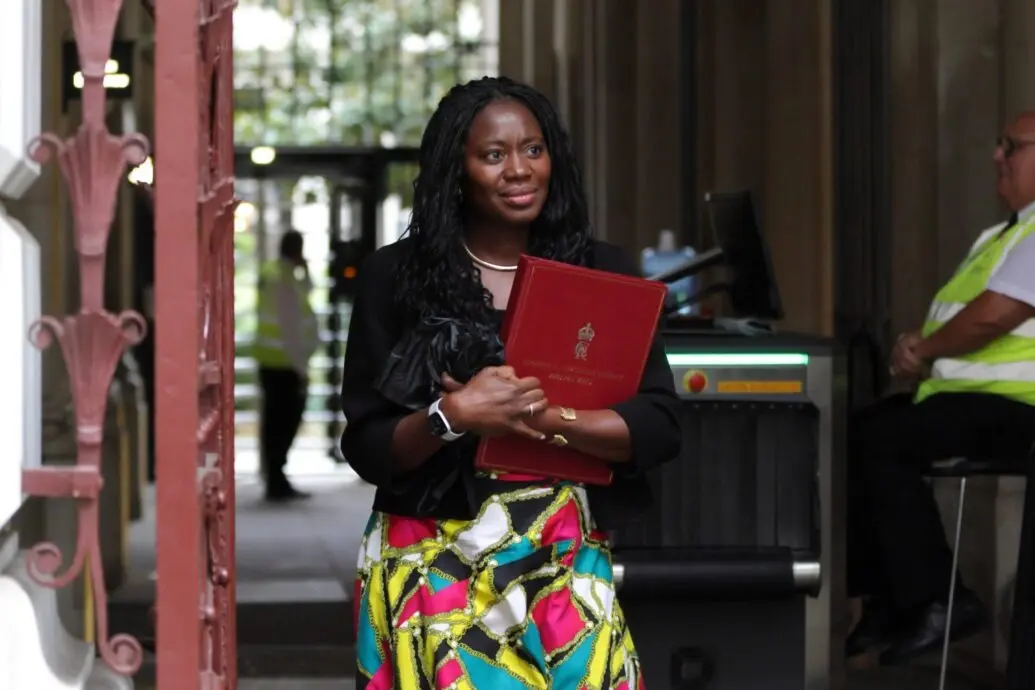
Addressing the broader context of the energy crisis, the Energy Secretary linked the success of the Warm Homes Plan directly to the need for a total overhaul of the UK’s energy mix. She argued that the only sustainable solution to the dual challenges of volatile energy bills and the escalating threat of climate change is a rapid move toward "more clean, home-grown energy." This focus on domestic energy production is seen as a vital step in reducing the UK’s vulnerability to international energy market fluctuations and ensuring long-term energy security. By combining energy efficiency measures in the home with a surge in renewable energy generation, the government aims to create a more resilient and affordable energy system for all citizens.
The Energy Secretary did not shy away from the political tensions surrounding the government’s environmental agenda. She spoke candidly about the reality of the climate crisis, stating firmly that "climate change is here" and is no longer a distant or theoretical threat. In doing so, she expressed deep disappointment toward members of Parliament who continue to challenge or undermine the government’s net zero targets. She suggested that the discourse surrounding climate policy has, in some quarters, become a tragedy of missed opportunities and dangerous rhetoric that ignores the lived experiences of people across the country.
One of the most pointed moments of her speech came when she addressed the comments made by Richard Tice, the Deputy Leader of Reform UK. Ms. Fahnbulleh specifically took aim at Tice’s dismissive attitude toward net zero goals and his past suggestions that the public should simply "enjoy the heat" during extreme summer weather events. The Energy Secretary countered this narrative by drawing attention to the real-world consequences of rising temperatures and extreme weather. She urged those who downplay the crisis to speak with the families whose homes have been directly threatened by wildfires, or the firefighters who are forced to work in increasingly unbearable and dangerous conditions.
Her defense of the government’s climate strategy was framed as a moral obligation to future generations. She challenged critics to consider the parents who are currently wondering what kind of country and environment their children will eventually inherit. By highlighting the human cost of climate inaction, Ms. Fahnbulleh sought to shift the debate away from abstract economic arguments and toward a focus on public safety and long-term national stability. She argued that the duty of the government is to provide protection and security for its communities, and that meeting climate goals is an essential part of that responsibility.