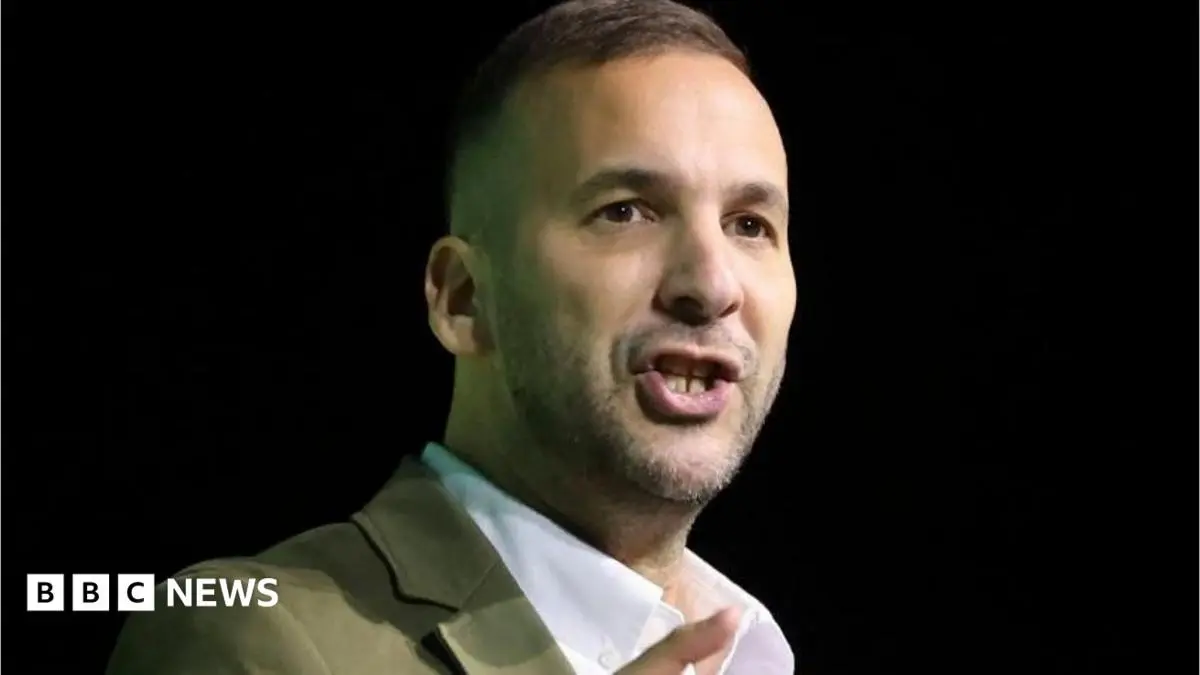
Crucially, Polanski addressed the core ideological dispute at the heart of the controversy, attempting to draw a clear line between legitimate political debate and racial or religious prejudice. He insisted that antisemitism and criticism of the Israeli state are, and must always be, completely distinct, a position that seeks to defend the right to oppose Israeli government policies while firmly rejecting hatred against Jewish people.
Alongside the police referral, the political pressure on the Green Party has been compounded by a formal appeal to the Equality and Human Rights Commission (EHRC). On Monday, a group of Labour MPs sent two separate letters to the equality watchdog. The effort was organized by Mike Tapp, the former Home Office minister, who coordinated the parliamentary response to the events in Brighton.
The letters sent by the Labour MPs raised grave concerns not only about the primary motion itself but also about the rejection of specific amendments during the conference debate. These defeated amendments were designed to protect Jewish Green Party members who attend Zionist synagogues from facing internal hostility or disciplinary action. The MPs argued that the rejection of these safeguards created a hostile environment for Jewish members.
In their letter to the watchdog, the Labour MPs wrote that, taken together, these developments raise serious questions about whether Jewish members can participate freely and equally in the party, and whether their religious and communal connections could expose them to complaints or disciplinary action. The letter frames the issue as a potential breach of equality laws, suggesting that the party’s internal culture and policy decisions may actively discriminate against Jewish individuals.
The involvement of the EHRC carries significant political weight in the United Kingdom. As the statutory body responsible for enforcing and regulating equality and non-discrimination laws in Great Britain, the commission has previously intervened in the internal affairs of major political parties. Most notably, the EHRC launched a formal investigation into the Labour Party under its former leader, Jeremy Corbyn, ultimately finding serious systemic failings in how the party handled allegations of antisemitism. This historical precedent heightens the stakes for the Green Party, as a formal EHRC investigation could have devastating reputational and legal consequences.
Following the receipt of the letters from the Labour MPs, the EHRC issued a statement to the BBC outlining its initial position. The commission confirmed that it would consider each complaint carefully before deciding whether any formal regulatory action is warranted. At this stage, the watchdog clarified that it has not launched a formal investigation into the Green Party.
The watchdog also reminded political organizations of their legal obligations under British law. The EHRC noted that it has guidance advising political parties on their responsibilities under the Equality Act 2010. The commission added that, like all duty-bearers, political parties must comply with the Act and take steps to avoid discrimination. This reminder underscores that political parties are not exempt from national equality legislation and must actively work to prevent discriminatory practices within their structures.