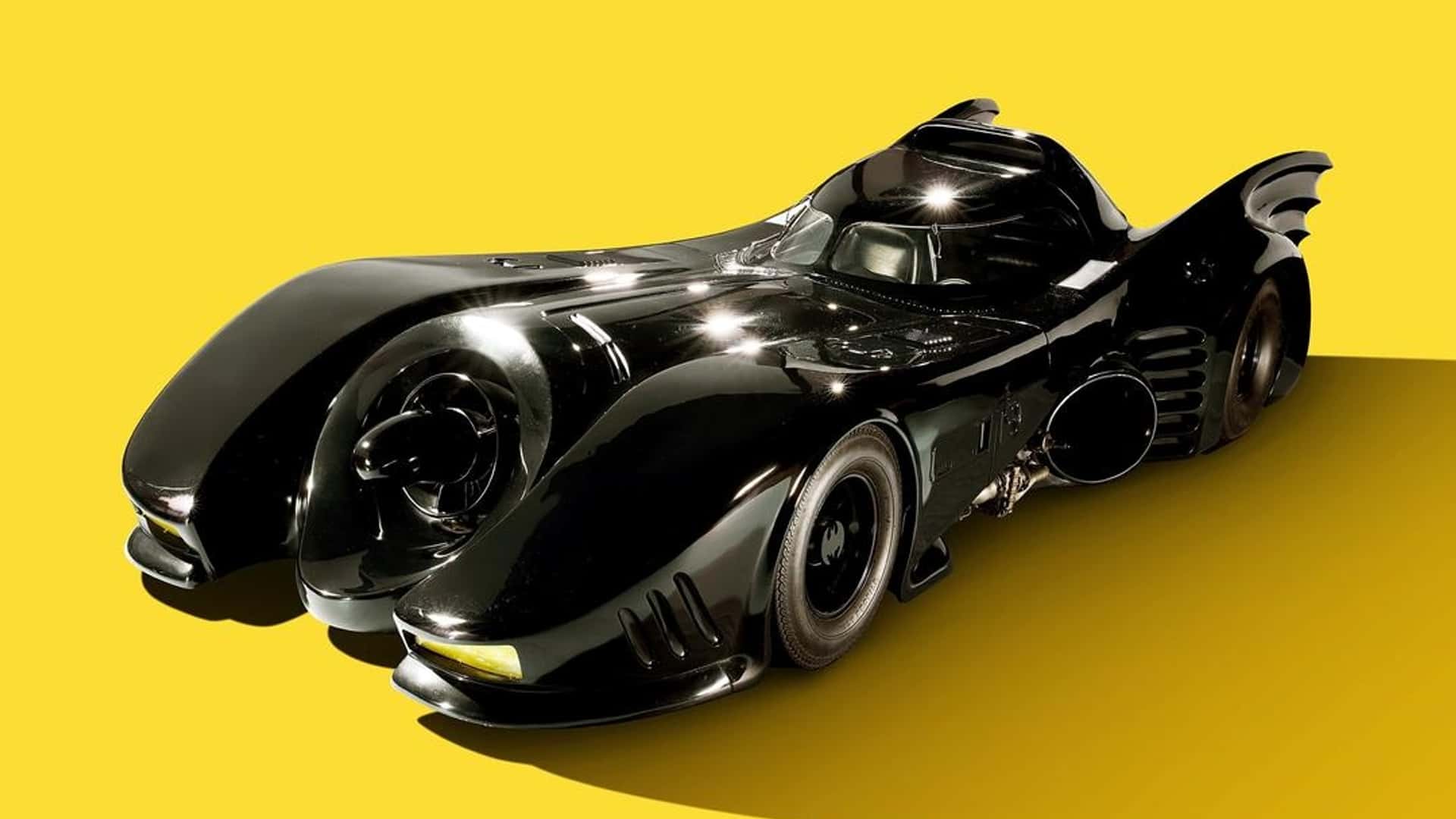
The dark, sleek silhouette of the Batmobile has long been more than just a mode of transportation for a comic book vigilante; it is a definitive symbol of cinematic atmosphere and industrial design. This coming November, the automotive and film worlds will converge as one of the most recognizable vehicles in history prepares to cross the auction block. Julien’s Auctions, in collaboration with Turner Classic Movies (TCM), has announced the sale of the original "Hero" Batmobile used in Tim Burton’s 1992 masterpiece, Batman Returns. Scheduled for Monday, November 23, in Los Angeles and via online bidding, the event represents a rare opportunity for high-level collectors to acquire a piece of Hollywood royalty.
Market analysts and auction experts are watching the upcoming sale with intense interest, as the car carries a staggering pre-sale estimate of $5 million to $7 million. Should the final hammer price reach the upper end of that range, it would not only be a landmark sale for Batman memorabilia but would also set a new world record for a movie-used vehicle sold at auction. Currently, that title is held by the original Batmobile from the 1960s television series—a modified Lincoln Futura concept car—which sold for $4.2 million in 2013. The potential for the 1992 Hero car to eclipse this figure reflects the growing value of "screen-matched" props and the enduring legacy of Tim Burton’s gothic vision of Gotham City.
What The Car Is And Where It’s Been
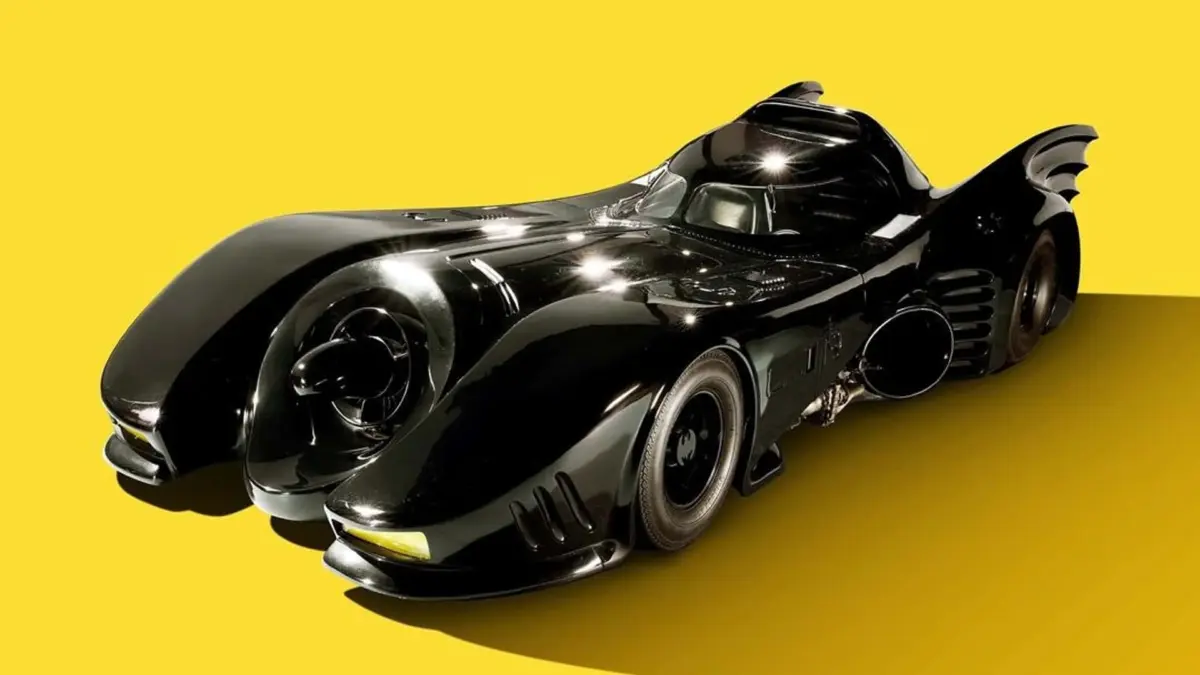
To understand the value of this particular Batmobile, one must look beneath its fiberglass skin. Unlike many modern movie vehicles that utilize custom-fabricated tubular frames or modern performance chassis, the Burton-era Batmobiles were products of ingenious practical engineering. The foundation of this 1992 icon is actually rooted in American automotive history; its frame consists of two Chevrolet Impala chassis that were spliced together to accommodate the vehicle’s extreme proportions. This unconventional base was necessary to support a body that measures a massive 19 feet, 8 inches from the front turbine intake to the tips of the rear fins.
The aesthetic of the car remains one of the most celebrated designs in film history. Conceived to fit within the dark, expressionistic world Tim Burton created, the vehicle’s "Art Deco" styling was a radical departure from the colorful, gadget-heavy aesthetic of previous iterations. The design features a long, low profile with a prominent nose intake inspired by jet turbines and oversized, curved rear fins that evoke the wings of a bat without appearing literal. The goal was to create a vehicle that read as a weapon—a heavy, menacing presence on the streets of Gotham—rather than a traditional road-going sports car.
Mechanically, the Batmobile is powered by a reliable Chevrolet V8 engine paired with a three-speed automatic transmission. This powertrain is housed under a massive, one-piece front end that tilts forward to allow for mechanical access. While the car was built for the screen rather than the circuit, it was fully functional for the production’s requirements. Julien’s Auctions has confirmed that this specific example is the "Hero" car, meaning it has been meticulously screen-matched to the majority of the driving sequences featuring Michael Keaton in the film. This distinction is vital for collectors, as "Hero" cars are the primary units used for close-ups and principal photography, as opposed to "stunt" cars which are often built with less detail or modified for specific high-impact maneuvers.
The car’s history following the conclusion of filming is as well-documented as its time on set. After serving its primary purpose in Batman Returns, the vehicle made high-profile appearances at the film’s official premiere and the subsequent wrap party, serving as a centerpiece for the movie’s marketing campaign. Eventually, it moved into long-term storage before finding a temporary home at the Marconi Automotive Museum. Throughout the decades, the car has been carefully preserved, retaining its original glossy black finish. This level of preservation is a significant selling point, offering a level of continuity and authenticity that is rare for vehicles of this age. Much like the recent sales of documented high-performance Porsches or the first chassis of a limited-run supercar, the provenance of this Batmobile is its greatest asset.
How It Fits The Market For Screen-Used Cars
Julien’s Auctions describes the vehicle as one of the most historically significant Batmobiles ever offered to the public. While auction house descriptions are often characterized by hyperbole, the historical context of this car supports the claim. The 1989 and 1992 Batman films were responsible for a global "Batmania" phenomenon, and the vehicle itself was central to that cultural shift. It redefined the character for a new generation, moving away from the campy aesthetic of the 1960s and toward a darker, more serious tone that still influences superhero cinema today.
The market for screen-used vehicles has seen a dramatic rise in recent years, with wealthy collectors increasingly viewing these cars as "rolling sculpture" and blue-chip investments. The Batmobile’s estimated price puts it in elite company. For comparison, the 1968 Ford Mustang GT driven by Steve McQueen in Bullitt—widely considered the holy grail of movie cars—sold for $3.74 million in 2020. Similarly, the 1965 Aston Martin DB5 used in the James Bond films Goldfinger and Thunderball fetched $2.4 million. If the Batman Returns car hits its $7 million target, it will signal a significant shift in the market, placing superhero memorabilia on par with, or even above, the most legendary names in automotive cinema.
The November 23 auction is not limited to the car alone. It is part of a larger "Ultimate Batmobile Auction" event that will feature an extensive collection of Batman-related history. Collectors will have the chance to bid on original costumes worn by the cast, various hand props, and rare production materials including storyboards and conceptual sketches. By offering these items alongside the Hero car, the auction provides a comprehensive look at the craftsmanship required to bring Tim Burton’s Gotham to life. The inclusion of Turner Classic Movies as a partner further elevates the event, framing the car not just as an automotive curiosity, but as a legitimate artifact of American film history.
The Realities of Owning a Cinematic Legend
While the prospect of owning the Batmobile is a dream for many, the reality of maintaining such a vehicle is a complex undertaking. As the winning bidder will soon discover, the acquisition of a nearly 20-foot-long custom fiberglass vehicle brings with it a unique set of logistical challenges. This is not a car that can be driven to a local cars-and-coffee event or serviced at a standard dealership.
The sheer size of the vehicle requires specialized transportation. Standard car trailers are often insufficient for a car that nears 20 feet in length and features delicate, oversized fins. Furthermore, the conservation of the original materials is a high-priority task. Because the car retains its original paint and interior from the 1992 production, it must be kept in a climate-controlled environment to prevent the fiberglass from warping or the finish from degrading. Unlike a vintage Ferrari or a classic Mustang, where parts are readily available, any restoration or maintenance on the Batmobile requires specialist restorers who understand the unique construction of movie props.
Because of these factors, the buyer is most likely to be a high-net-worth individual or a private institution, such as a museum or a corporate collection. In these settings, the car functions as a centerpiece for display rather than a functional vehicle. This preservation-focused approach ensures that the car remains in "as-filmed" condition, protecting its value as a historical document. While the V8 under the hood is capable of running, the car’s true value lies in its ability to transport viewers back to the dark streets of Tim Burton’s imagination.
As the auction date approaches, the eyes of the collecting world remain fixed on Los Angeles. Whether the Batmobile sets a new world record or simply finds a new home in a private gallery, its sale marks a pivotal moment for the hobby. It serves as a reminder that some cars are more than just machines; they are the vessels for our collective stories, and for the right price, a piece of that story can be owned. For the winning bidder on November 23, the prize is not just a modified Chevy Impala, but the definitive icon of the Dark Knight’s cinematic history.