British singer-songwriter Lily Allen has long been recognized as a figure who operates on the periphery of conventional pop stardom, often choosing to lean into the raw, the unfiltered, and the decidedly offbeat. As the music industry enters the thick of the Grammy Awards season, Allen is once again making headlines, not just for the music contained within her latest project, West End Girl, but for the strikingly unorthodox way she is pitching it to the Recording Academy. In a move that has been described as perhaps the most nonchalant and disarmingly raunchy "For Your Consideration" (FYC) campaign in recent memory, Allen has released a poster design that manages to be simultaneously provocative and surprisingly classy, reinforcing the unique branding that has defined her latest era.
The "For Your Consideration" phase of the Grammy cycle is traditionally a period of high-stakes, polished professionalism. It is the time when artists, backed by major labels and sophisticated marketing teams, attempt to capture the attention of the thousands of voting members of the Recording Academy. Usually, these advertisements are characterized by their elegance and restraint; they often feature high-fashion photography, glowing pull-quotes from critics, and a clear, dignified list of categories. The goal is typically to present the artist as a serious contender—a "prestige" act worthy of the industry’s highest honors. However, Lily Allen has never been one to settle for the typical, and her FYC ad for West End Girl serves as a definitive subversion of these long-standing industry rules.
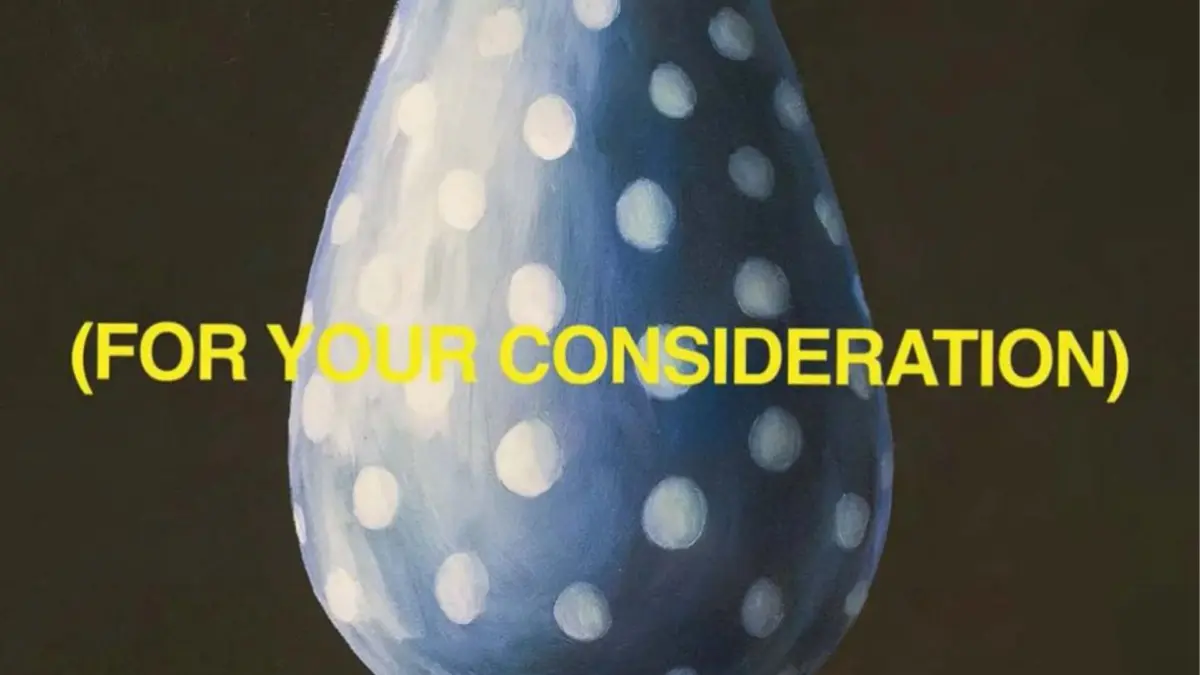
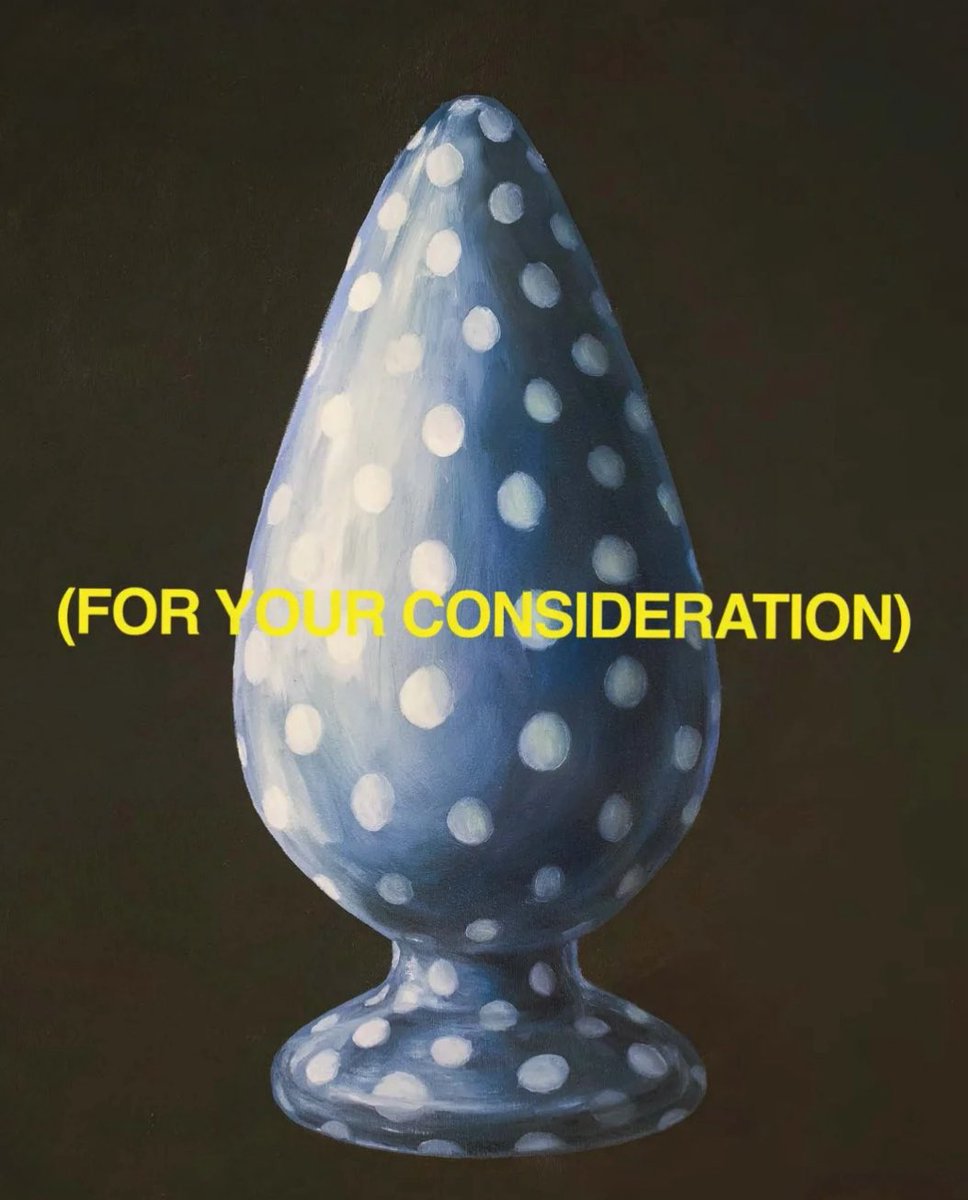
At the center of Allen’s campaign is a poster that has quickly become a talking point among design enthusiasts and music critics alike. The design features an object that became an unexpected, if not somewhat notorious, symbol of the singer’s album campaign: a polka-dot-patterned novelty USB flash drive shaped like a butt plug. It is an image that is undeniably lewd, yet the execution of the poster itself carries a level of aesthetic sophistication that complicates its initial shock value. By placing such a sexualized object against a backdrop of domestic-coded polka dots, the design creates an immediate and jarring contrast. This juxtaposition is not merely for the sake of irony; it serves as a visual metaphor for the themes explored throughout the West End Girl album.
The West End Girl era has been widely praised for its commitment to a raw and immersive aesthetic. In both her recorded music and her live tour performances, Allen has embraced a narrative of chaos, leaning into the inherent clumsiness and occasional messiness of love, desire, and human connection. Her lyrics on the album are famously candid, eschewing the polished metaphors of contemporary pop in favor of a more direct, often uncomfortable honesty. This "raw approach" to her craft is precisely what has earned her a spot in the conversation for this year’s Grammys, and the FYC poster is a natural extension of that artistic philosophy. It suggests that if the music is about the unvarnished reality of sex and emotion, the marketing should be equally uncompromising.
The use of the polka-dot USB drive is particularly clever in its "unserious playfulness." In the context of British culture and traditional design, polka dots often carry connotations of the domestic, the quaint, and the safe. By applying this pattern to a sexual device that also functions as a piece of modern technology (the USB drive), Allen’s team has created a piece of branding that feels quintessentially "Lily Allen." It is a nod to her ability to take the mundane or the taboo and repackage it into something that feels both modern and culturally resonant. It challenges the viewer to reconcile the "classy" presentation with the "raunchy" subject matter, much in the same way her music asks listeners to find the beauty in the chaotic details of her life.
This casual and provocative approach to what is historically a very formal artist pitch highlights Allen’s willingness to challenge convention. When compared to the FYC campaigns of other major stars, the difference is stark. For instance, campaigns for artists like Taylor Swift or Harry Styles typically focus on the scale of their achievements, the technical brilliance of their production, or the emotional weight of their songwriting, all presented through a lens of high-gloss professionalism. Allen, by contrast, seems to be winking at the voters. Her ad doesn’t plead for validation; it presents her work on its own terms, suggesting that her brand of "offbeat" artistry doesn’t need to fit into a traditional mold to be considered "Grammy-worthy."
The significance of the FYC phase cannot be overstated in the journey toward a Grammy nomination. It is a period where artists must find a way to stand out in a crowded field of hundreds of eligible releases. For an artist like Allen, who has always maintained a degree of independence from the mainstream pop machine, a traditional ad might have gone unnoticed. By choosing a design that is so strikingly different, she ensures that her name—and the specific energy of the West End Girl album—remains at the forefront of the voters’ minds. It is a gamble that relies on the idea that the Recording Academy is ready to reward not just talent, but genuine original thought and a refusal to play by the established rules of the "prestige" game.
Furthermore, the poster serves as a testament to the power of visual design in the music industry. In an era where music is often consumed through digital streaming platforms, the physical and visual elements of an album’s campaign—the posters, the merchandise, the tour visuals—become essential tools for storytelling. The West End Girl campaign has been a masterclass in how to build a cohesive world around an album. From the immersive nature of her live shows to this latest "lewd" poster, every element feels like it belongs to the same narrative. It is a narrative that prizes authenticity over perfection and subversion over submission.
As the industry looks toward the upcoming awards ceremony, Allen’s campaign stands as a reminder that the Grammys are, at their core, a celebration of artistic expression. While the "professional" path is the one most traveled, there is a long history of the Academy recognizing those who dare to be different. Whether Allen’s "unserious" approach will translate into a win remains to be seen, but the impact of her branding is already undeniable. She has managed to turn a routine piece of industry marketing into a piece of art that reflects the very soul of her music.
The conversation surrounding the poster also touches on broader themes of how sex and domesticity are portrayed in the media. By merging the two in such a nonchalant way, Allen is pushing back against the idea that these worlds must remain separate or that sexual themes must be handled with a certain level of gravity to be taken seriously. Her "wonderfully refreshing" subversion suggests that there is room for humor and playfulness in the discussion of intimacy, a theme that resonates deeply with her fan base and critics alike.
As the Grammy voting period continues, the industry will be watching closely to see how Allen’s campaign fairs. In a year filled with blockbuster releases and massive commercial juggernauts, the West End Girl era stands out for its grit and its refusal to be anything other than what it is. Lily Allen’s FYC poster is more than just an ad; it is a declaration of identity. It proves that even in the high-pressure environment of awards season, there is still room for a little bit of chaos, a touch of the taboo, and a whole lot of offbeat branding. Regardless of the outcome on awards night, Allen has once again proven that she is a master of the unexpected, continuing to pave her own path through the landscape of modern music.