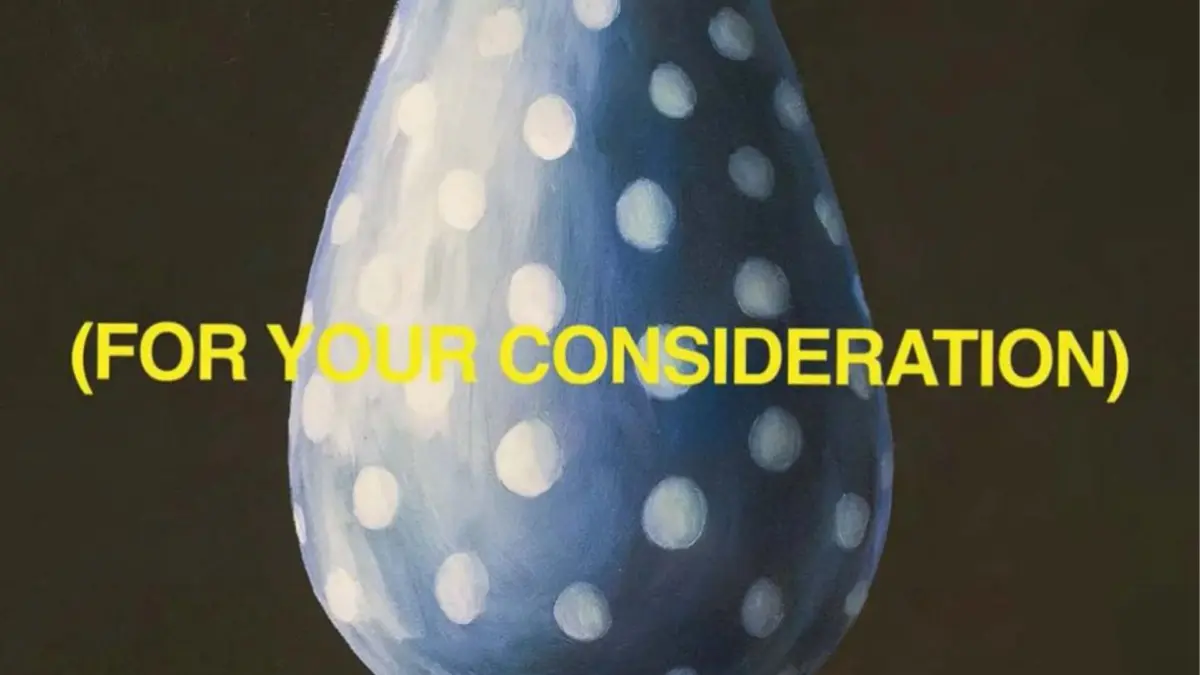
British singer-songwriter Lily Allen has long been recognized as a figure who operates on the periphery of conventional pop stardom, often choosing to lean into the raw, the unfiltered, and the decidedly offbeat. As the music industry enters the thick of the Grammy Awards season, Allen is once again making headlines, not just for the music contained within her latest project, West End Girl, but for the strikingly unorthodox way she is pitching it to the Recording Academy. In a move that has been described as perhaps the most nonchalant and disarmingly raunchy "For Your Consideration" (FYC) campaign in recent memory, Allen has released a poster design that manages to be simultaneously provocative and surprisingly classy, reinforcing the unique branding that has defined her latest era.
The "For Your Consideration" phase of the Grammy cycle is traditionally a period of high-stakes, polished professionalism. It is the time when artists, backed by major labels and sophisticated marketing teams, attempt to capture the attention of the thousands of voting members of the Recording Academy. Usually, these advertisements are characterized by their elegance and restraint; they often feature high-fashion photography, glowing pull-quotes from critics, and a clear, dignified list of categories. The goal is typically to present the artist as a serious contender—a "prestige" act worthy of the industry’s highest honors. However, Lily Allen has never been one to settle for the typical, and her FYC ad for West End Girl serves as a definitive subversion of these long-standing industry rules.
At the center of Allen’s campaign is a poster that has quickly become a talking point among design enthusiasts and music critics alike. The design features an object that became an unexpected, if not somewhat notorious, symbol of the singer’s album campaign: a polka-dot-patterned novelty USB flash drive shaped like a butt plug. It is an image that is undeniably lewd, yet the execution of the poster itself carries a level of aesthetic sophistication that complicates its initial shock value. By placing such a sexualized object against a backdrop of domestic-coded polka dots, the design creates an immediate and jarring contrast. This juxtaposition is not merely for the sake of irony; it serves as a visual metaphor for the themes explored throughout the West End Girl album.
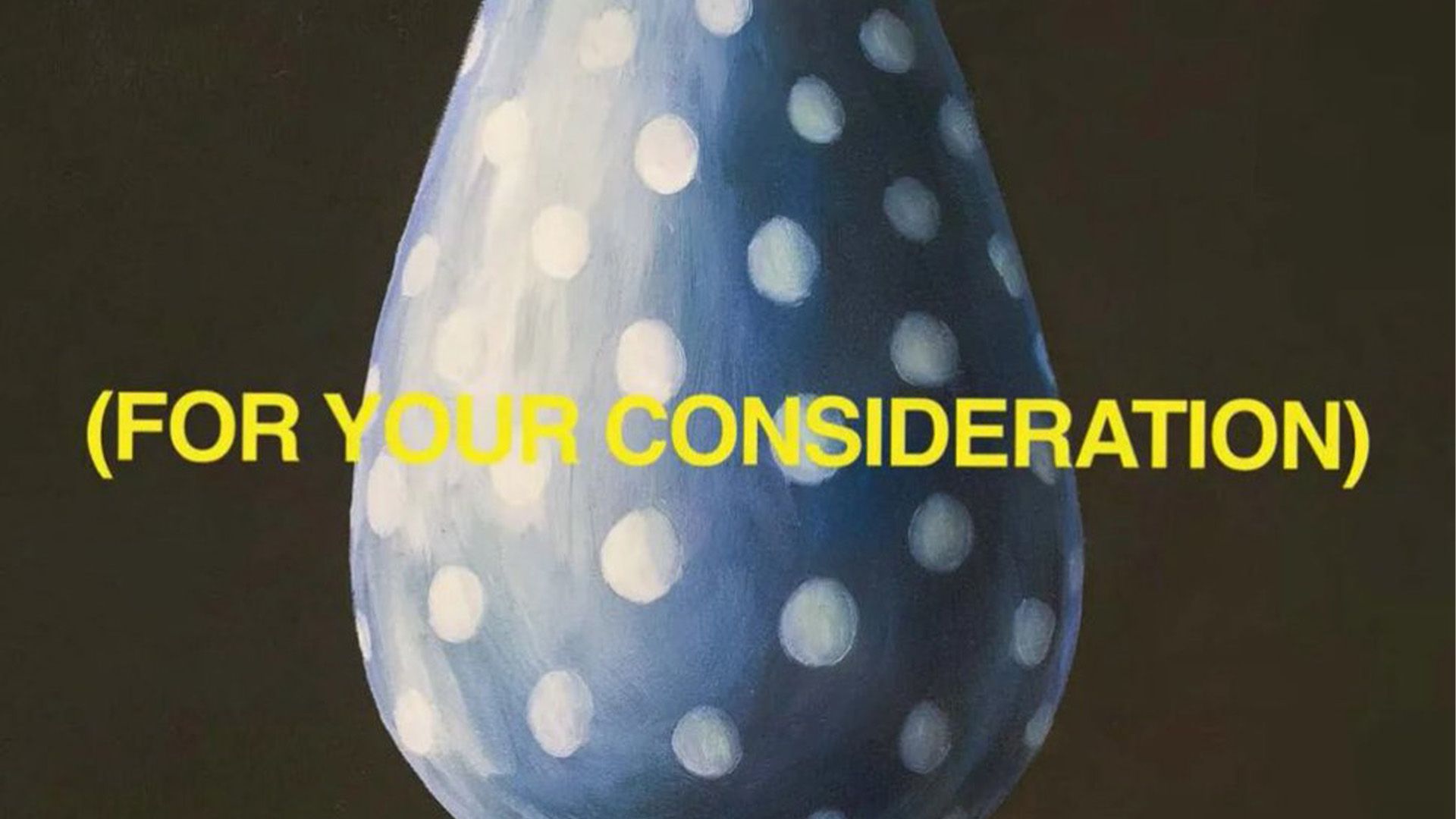
The West End Girl era has been widely praised for its commitment to a raw and immersive aesthetic. In both her recorded music and her live tour performances, Allen has embraced a narrative of chaos, leaning into the inherent clumsiness and occasional messiness of love, desire, and human connection. Her lyrics on the album are famously candid, eschewing the polished metaphors of contemporary pop in favor of a more direct, often uncomfortable honesty. This "raw approach" to her craft is precisely what has earned her a spot in the conversation for this year’s Grammys, and the FYC poster is a natural extension of that artistic philosophy. It suggests that if the music is about the unvarnished reality of sex and emotion, the marketing should be equally uncompromising.