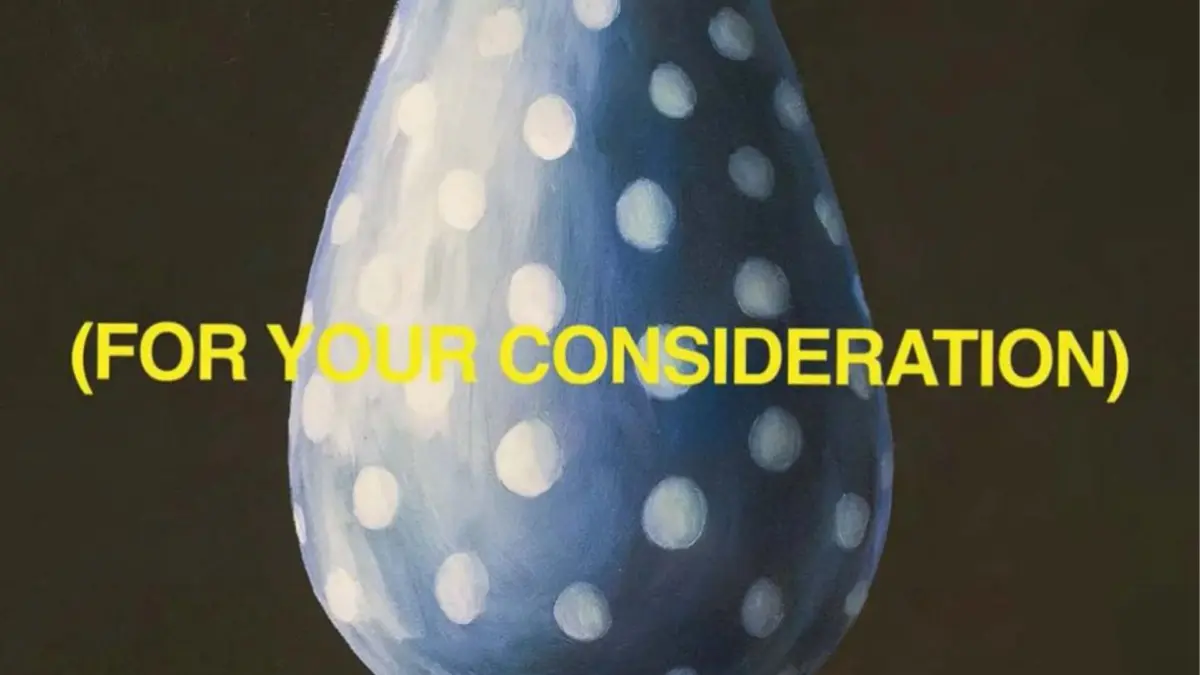
The use of the polka-dot USB drive is particularly clever in its "unserious playfulness." In the context of British culture and traditional design, polka dots often carry connotations of the domestic, the quaint, and the safe. By applying this pattern to a sexual device that also functions as a piece of modern technology (the USB drive), Allen’s team has created a piece of branding that feels quintessentially "Lily Allen." It is a nod to her ability to take the mundane or the taboo and repackage it into something that feels both modern and culturally resonant. It challenges the viewer to reconcile the "classy" presentation with the "raunchy" subject matter, much in the same way her music asks listeners to find the beauty in the chaotic details of her life.
This casual and provocative approach to what is historically a very formal artist pitch highlights Allen’s willingness to challenge convention. When compared to the FYC campaigns of other major stars, the difference is stark. For instance, campaigns for artists like Taylor Swift or Harry Styles typically focus on the scale of their achievements, the technical brilliance of their production, or the emotional weight of their songwriting, all presented through a lens of high-gloss professionalism. Allen, by contrast, seems to be winking at the voters. Her ad doesn’t plead for validation; it presents her work on its own terms, suggesting that her brand of "offbeat" artistry doesn’t need to fit into a traditional mold to be considered "Grammy-worthy."
The significance of the FYC phase cannot be overstated in the journey toward a Grammy nomination. It is a period where artists must find a way to stand out in a crowded field of hundreds of eligible releases. For an artist like Allen, who has always maintained a degree of independence from the mainstream pop machine, a traditional ad might have gone unnoticed. By choosing a design that is so strikingly different, she ensures that her name—and the specific energy of the West End Girl album—remains at the forefront of the voters’ minds. It is a gamble that relies on the idea that the Recording Academy is ready to reward not just talent, but genuine original thought and a refusal to play by the established rules of the "prestige" game.
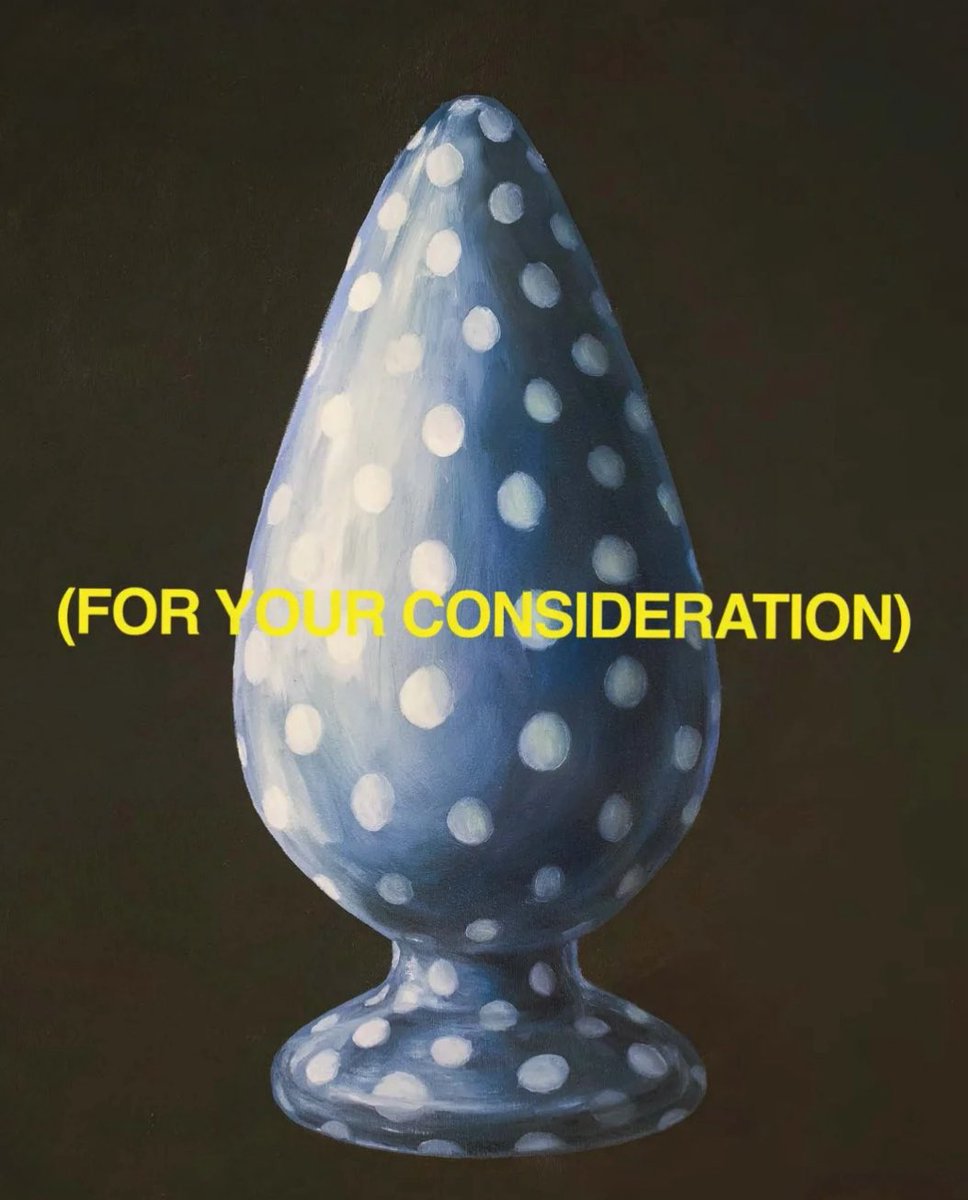
Furthermore, the poster serves as a testament to the power of visual design in the music industry. In an era where music is often consumed through digital streaming platforms, the physical and visual elements of an album’s campaign—the posters, the merchandise, the tour visuals—become essential tools for storytelling. The West End Girl campaign has been a masterclass in how to build a cohesive world around an album. From the immersive nature of her live shows to this latest "lewd" poster, every element feels like it belongs to the same narrative. It is a narrative that prizes authenticity over perfection and subversion over submission.