Looking forward to October, the literary landscape is set to expand with a wealth of new releases. From "great new paperbacks" to a curated list of children’s books that should be on every parent’s radar, the industry is gearing up for a busy autumn. The sci-fi and fantasy genres, in particular, are seeing a surge of new titles involving time travel, romance, and "haunted TV channels," reflecting a continued interest in speculative fiction that pushes the boundaries of imagination.
The intersection of healthcare and literature was also addressed through a discussion on fertility care as basic healthcare. By framing fertility in the context of the "high cost of being human in America," writers are bringing a personal and systemic lens to a topic that is often treated as purely medical or private. This is part of a broader movement to use narrative to advocate for social and economic rights.
In the world of literary politics, Maris Kreizman has stepped forward to defend the tradition of literary awards and longlists. In response to recent "awards season whining," Kreizman argues that these accolades, while imperfect, serve a vital role in bringing attention to books that might otherwise be lost in the noise of the marketplace. They provide a structure for celebrating excellence and fostering a culture of critical appreciation.
The week’s discourse took a darker turn with a sobering analysis of American media manipulation. Comparisons were drawn between the media’s treatment of the invasion of Iraq and the current coverage of the genocide in Gaza. This analysis interrogates how public opinion is shaped by mainstream narratives and the ways in which historical patterns of propaganda can repeat themselves if not vigilantly critiqued by the press and the public alike.
Finally, the week rounded out with a nod to the enduring power of classic film and the nuances of modern craft. In a tribute to Jimmy Stewart’s performance in It’s a Wonderful Life, critics explored how he embodies a specific, idealized version of the American character—one rooted in community, sacrifice, and resilience. Meanwhile, Brittany Cavallaro offered insights into the specific challenges and rewards of writing for (and teaching) young adults, emphasizing the need for authenticity and respect for the intelligence of younger readers.
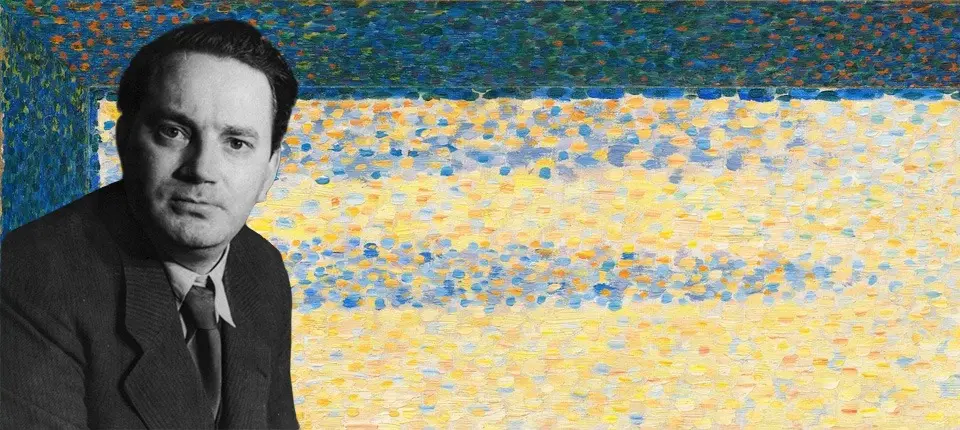
From the reveal of the cover for a new anthology of Florida writing to the announcement of literary fare coming to streaming services, the week has been a testament to the vibrancy of the literary world. Whether through the lens of a 126-year-old legacy like that of Thomas Wolfe or the cutting-edge critique of modern technocracy, the literary internet remains a vital space for the contestation of ideas and the celebration of the written word.