The practical side of literary production and research has not been ignored. A fascinating exploration of the relationship between librarians and researchers was highlighted this week, shedding light on the "mutually confounding" yet essential partnership that sustains academic and creative output. This investigation reminds us that behind every great work of history or fiction is a hidden infrastructure of archives, catalogs, and the dedicated professionals who navigate them.
Environmental themes also took center stage, with Nina Schuyler discussing the concept of "personifying a river" in craft and creative voice. Her work aligns with the growing "rights of nature" movement, which seeks to grant legal standing to ecosystems. By exploring how writers can give a voice to the natural world, Schuyler addresses the urgent need for a literary language that can adequately respond to the climate crisis and our changing relationship with the earth. This is complemented by scientific and literary inquiries into the "ecosystem beneath our feet," specifically what we can learn from the earth’s earliest soil. These narratives bridge the gap between hard science and poetic reflection, urging a deeper appreciation for the foundational elements of our planet.
The cultural critique deepened this week with an examination of antiblackness as a multifaceted social, historical, and cultural phenomenon. Rather than treating it as a series of isolated incidents, this discourse frames antiblackness as a systemic force that shapes every aspect of American life. This perspective is vital for a comprehensive understanding of the Civil Rights Movement, both in its early stages and its modern manifestations. Essential reading lists on the women of the early Civil Rights Movement and the women behind the March on Washington have surfaced, ensuring that the contributions of female activists are not sidelined in historical narratives.
On a more introspective note, the literary community has been debating the very nature of the writing process. Robert Kolker, a master of narrative non-fiction, raised the provocative question: "What if writing were fun?" This inquiry serves as a counter-narrative to the "tortured artist" trope, suggesting that the joy of discovery and the playfulness of language can be just as motivating as the drive to document tragedy or complex social issues.
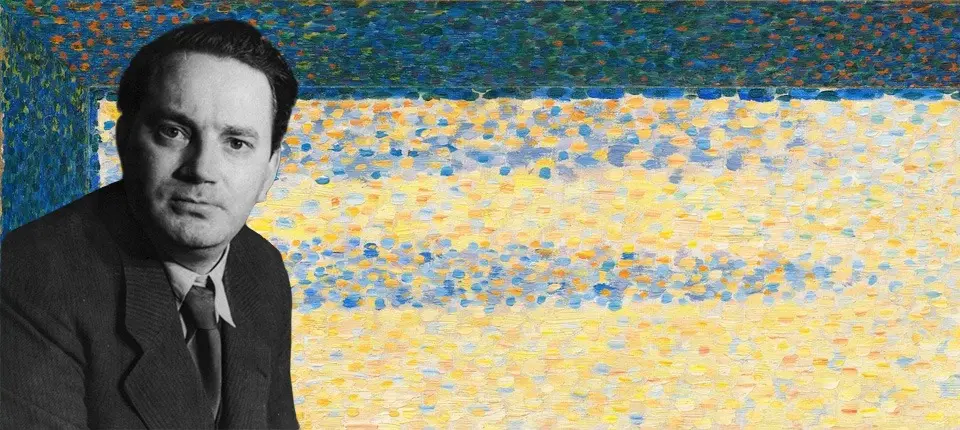
The week also marked International Translation Day, a moment to celebrate the translators who act as the vital connective tissue of global literature. This celebration coincided with reflections from Colm Tóibín on the poetry of Thom Gunn. Tóibín’s analysis of Gunn’s "reticent eloquence" underscores the importance of precision and restraint in poetry, qualities that Gunn maintained even as he navigated the seismic cultural shifts of the 20th century.
However, not all reflections on the digital age were celebratory. A scathing critique of Silicon Valley’s "technofascists" has gained traction, arguing that the oligarchs of Big Tech harbor a fundamental disdain for democratic institutions. This critique suggests that the concentration of power in the hands of a few tech giants poses a direct threat to the pluralism and open exchange of ideas that democracy requires.
As September comes to a close, the industry is also looking at the aesthetic and commercial trends of the month. The best book covers of September were showcased, highlighting the visual artistry that remains a crucial part of the physical book experience. Similarly, the "best reviewed books" of the month have been tallied, providing a guide for readers overwhelmed by the sheer volume of new releases.