As the calendar turns from September to October 2026, the literary community finds itself at a unique crossroads of historical remembrance and urgent contemporary critique. The past week in the literary world has been characterized by a profound exploration of how past legacies inform our present crises, ranging from the anniversary of a titan of American letters to the harrowing parallels between historical media manipulation and modern-day conflicts. This period of reflection offers a vivid snapshot of the "literary internet," a digital ecosystem where the boundaries between craft, politics, and history are increasingly porous.
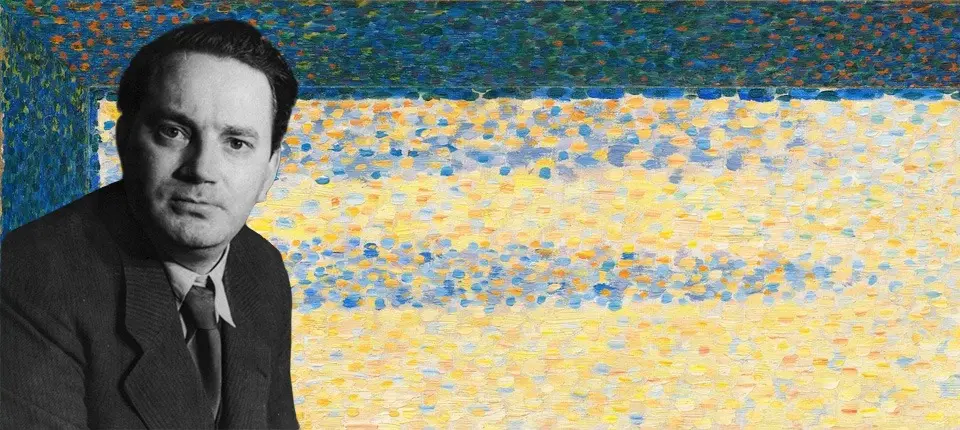
At the heart of this week’s commemorations is the birthday of Thomas Wolfe, born in 1900. Wolfe remains a towering figure in the American canon, best known for his sprawling, lyrical prose and his semi-autobiographical masterpieces like Look Homeward, Angel and You Can’t Go Home Again. His work, often characterized by an insatiable appetite for the American experience and a deep, restless nostalgia, continues to resonate with readers navigating their own sense of displacement. Wolfe’s ability to capture the specific textures of time and place serves as a foundational pillar for modern writers who grapple with the complexities of home and the passage of years.
This theme of looking backward to understand the present is echoed in a series of new inquiries into the supernatural and the historical. While Wolfe’s ghosts were primarily those of memory and lost youth, current literary discourse is examining why actual ghosts appear to be haunting the cultural consciousness with renewed vigor in 2026. This resurgence of the gothic and the spectral suggests a collective anxiety, perhaps reflecting a society struggling to process the rapid technological and social shifts of the early 21st century.
THE BEST OF THE LITERARY INTERNET
The intersection of socio-economic uncertainty and the digital age has become a focal point for many contemporary authors. Angela Flournoy, whose acclaimed novel The Turner House explored the legacy of a family in Detroit, has recently engaged in a wide-ranging discussion regarding her new work, The Wilderness. Flournoy’s insights into class dynamics and the pervasive influence of the internet highlight a growing trend in fiction that seeks to map the "social uncertainty" of our era. By examining how digital connectivity both bridges and widens economic gaps, Flournoy provides a necessary framework for understanding the modern American condition.
In a similar vein of historical excavation, William T. Vollmann has turned his formidable investigative lens toward American foreign policy. Known for his exhaustive research and willingness to confront uncomfortable truths, Vollmann is currently focused on the ideological arc that stretches from the Cold War to the War on Terror. His work attempts to peel back the layers of justification and rhetoric that have defined America’s global presence for decades, offering a sobering look at the human and political costs of interventionism.
The week also brought a visual and narrative journey into the past through the legacy of Ernest Shackleton’s Antarctic expedition. Through a series of photographs and reflections, the literary world revisited the Endurance mission, a story of survival that has become synonymous with human resilience. This retrospective serves as a reminder of the power of documentation and the ways in which historical artifacts—whether journals or photographs—continue to inspire awe and provide lessons in leadership and endurance under extreme pressure.
In the realm of contemporary fiction, Hernan Diaz has been clarifying the intentions behind his latest project. Following the massive success of Trust, Diaz is pushing back against the label of "dystopia" for his new novel. His perspective challenges the audience to look beyond easy categorizations. By arguing that his work is not a dystopia, Diaz encourages a more nuanced reading of the present, suggesting that the "darkness" we perceive in fiction may simply be a more honest reflection of our current reality rather than a projection of a failed future.
The practical side of literary production and research has not been ignored. A fascinating exploration of the relationship between librarians and researchers was highlighted this week, shedding light on the "mutually confounding" yet essential partnership that sustains academic and creative output. This investigation reminds us that behind every great work of history or fiction is a hidden infrastructure of archives, catalogs, and the dedicated professionals who navigate them.
Environmental themes also took center stage, with Nina Schuyler discussing the concept of "personifying a river" in craft and creative voice. Her work aligns with the growing "rights of nature" movement, which seeks to grant legal standing to ecosystems. By exploring how writers can give a voice to the natural world, Schuyler addresses the urgent need for a literary language that can adequately respond to the climate crisis and our changing relationship with the earth. This is complemented by scientific and literary inquiries into the "ecosystem beneath our feet," specifically what we can learn from the earth’s earliest soil. These narratives bridge the gap between hard science and poetic reflection, urging a deeper appreciation for the foundational elements of our planet.
The cultural critique deepened this week with an examination of antiblackness as a multifaceted social, historical, and cultural phenomenon. Rather than treating it as a series of isolated incidents, this discourse frames antiblackness as a systemic force that shapes every aspect of American life. This perspective is vital for a comprehensive understanding of the Civil Rights Movement, both in its early stages and its modern manifestations. Essential reading lists on the women of the early Civil Rights Movement and the women behind the March on Washington have surfaced, ensuring that the contributions of female activists are not sidelined in historical narratives.
On a more introspective note, the literary community has been debating the very nature of the writing process. Robert Kolker, a master of narrative non-fiction, raised the provocative question: "What if writing were fun?" This inquiry serves as a counter-narrative to the "tortured artist" trope, suggesting that the joy of discovery and the playfulness of language can be just as motivating as the drive to document tragedy or complex social issues.
The week also marked International Translation Day, a moment to celebrate the translators who act as the vital connective tissue of global literature. This celebration coincided with reflections from Colm Tóibín on the poetry of Thom Gunn. Tóibín’s analysis of Gunn’s "reticent eloquence" underscores the importance of precision and restraint in poetry, qualities that Gunn maintained even as he navigated the seismic cultural shifts of the 20th century.
However, not all reflections on the digital age were celebratory. A scathing critique of Silicon Valley’s "technofascists" has gained traction, arguing that the oligarchs of Big Tech harbor a fundamental disdain for democratic institutions. This critique suggests that the concentration of power in the hands of a few tech giants poses a direct threat to the pluralism and open exchange of ideas that democracy requires.
As September comes to a close, the industry is also looking at the aesthetic and commercial trends of the month. The best book covers of September were showcased, highlighting the visual artistry that remains a crucial part of the physical book experience. Similarly, the "best reviewed books" of the month have been tallied, providing a guide for readers overwhelmed by the sheer volume of new releases.
Looking forward to October, the literary landscape is set to expand with a wealth of new releases. From "great new paperbacks" to a curated list of children’s books that should be on every parent’s radar, the industry is gearing up for a busy autumn. The sci-fi and fantasy genres, in particular, are seeing a surge of new titles involving time travel, romance, and "haunted TV channels," reflecting a continued interest in speculative fiction that pushes the boundaries of imagination.
The intersection of healthcare and literature was also addressed through a discussion on fertility care as basic healthcare. By framing fertility in the context of the "high cost of being human in America," writers are bringing a personal and systemic lens to a topic that is often treated as purely medical or private. This is part of a broader movement to use narrative to advocate for social and economic rights.
In the world of literary politics, Maris Kreizman has stepped forward to defend the tradition of literary awards and longlists. In response to recent "awards season whining," Kreizman argues that these accolades, while imperfect, serve a vital role in bringing attention to books that might otherwise be lost in the noise of the marketplace. They provide a structure for celebrating excellence and fostering a culture of critical appreciation.
The week’s discourse took a darker turn with a sobering analysis of American media manipulation. Comparisons were drawn between the media’s treatment of the invasion of Iraq and the current coverage of the genocide in Gaza. This analysis interrogates how public opinion is shaped by mainstream narratives and the ways in which historical patterns of propaganda can repeat themselves if not vigilantly critiqued by the press and the public alike.
Finally, the week rounded out with a nod to the enduring power of classic film and the nuances of modern craft. In a tribute to Jimmy Stewart’s performance in It’s a Wonderful Life, critics explored how he embodies a specific, idealized version of the American character—one rooted in community, sacrifice, and resilience. Meanwhile, Brittany Cavallaro offered insights into the specific challenges and rewards of writing for (and teaching) young adults, emphasizing the need for authenticity and respect for the intelligence of younger readers.
From the reveal of the cover for a new anthology of Florida writing to the announcement of literary fare coming to streaming services, the week has been a testament to the vibrancy of the literary world. Whether through the lens of a 126-year-old legacy like that of Thomas Wolfe or the cutting-edge critique of modern technocracy, the literary internet remains a vital space for the contestation of ideas and the celebration of the written word.