As the celebrations for Carson’s Nobel win continued, the focus of the American literary establishment shifted toward the announcement of the 2026 National Book Awards finalists. The National Book Foundation’s annual honors remain one of the most prestigious benchmarks of literary excellence in the United States, and this year’s list of finalists reflects a diverse and intellectually rigorous selection across its five categories: Fiction, Nonfiction, Poetry, Translated Literature, and Young People’s Literature. The announcement of the finalists is always a high-stakes moment for the publishing industry, often resulting in a significant "awards bump" in sales and visibility for the authors involved.
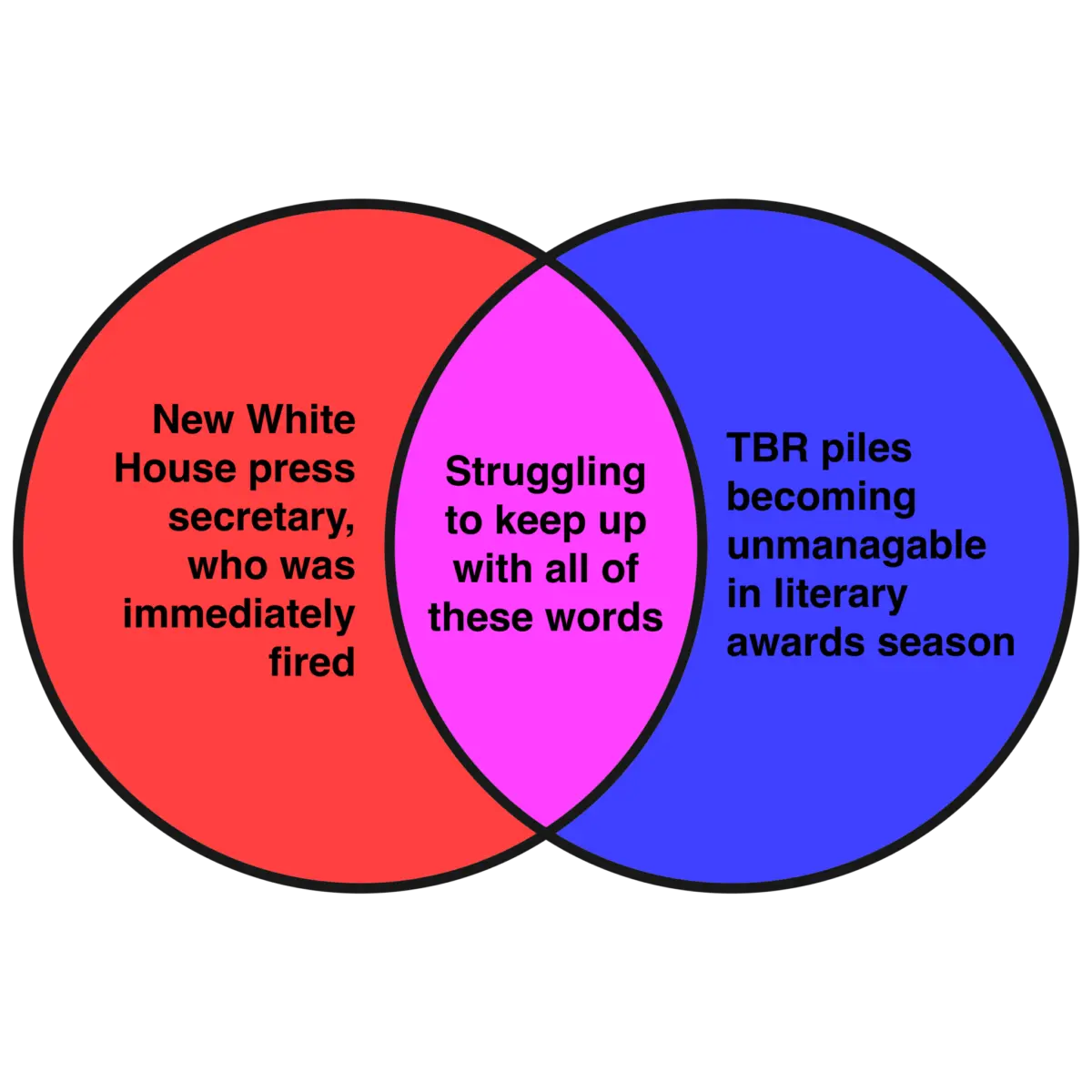
However, the discourse surrounding the National Book Awards this year has taken on a notably political tone. The intersection of literary prestige and public relations has become a focal point of discussion, with some observers drawing comparisons between the choreographed nature of awards season and the performative duties of a political press secretary. This comparison highlights a growing tension in the industry: the need to celebrate artistic merit while navigating the increasingly complex demands of the marketplace and the digital town square. The 2026 finalists, while celebrated for their creative achievements, find themselves at the center of a cultural machine that requires them to be not just writers, but public figures capable of representing their work in a highly polarized environment. The overlap between "literary excellence" and "media savvy" has never been more pronounced, making the National Book Awards a fascinating study in the modern mechanics of fame.
Perhaps no author embodies this intersection of literature and controversy more than Sally Rooney. The Irish novelist, whose works like "Normal People" and "Intermezzo" have made her a global phenomenon, found herself at the center of a startling headline this week regarding her status in the United Kingdom. Reports emerged suggesting that Rooney could no longer sell her books in the UK under the threat of legal repercussions, or even arrest. While the details of such claims often lean toward the hyperbolic in the heat of a breaking news cycle, the core of the issue stems from Rooney’s long-standing and vocal political commitments.
Rooney has been a prominent supporter of the Boycott, Divestment, Sanctions (BDS) movement, a stance that has previously led to her refusing to sell the translation rights for her novels to Israeli-based publishing houses. In the political climate of 2026, where legislative efforts to curb boycotts have intensified in various jurisdictions, Rooney’s principled positions have placed her at odds with certain legal and commercial frameworks. The suggestion that a writer of her stature could face such extreme barriers in the UK—a traditional stronghold for her readership—highlights the precarious nature of authorial activism in the current era. It raises fundamental questions about the freedom of the author to control the distribution of their work and the extent to which political speech can be penalized through commercial restriction. The overlap between "bestselling author" and "political dissident" has created a volatile situation that the literary world is watching with bated breath.