The impact on local schools is another looming issue. A preliminary review by the school district found that six of the nine schools serving the Little Havana area are already at or over capacity. Without significant investment in educational infrastructure, a massive influx of new residents could strain the system to its breaking point.
Community Feedback Prompts Geographic Revisions
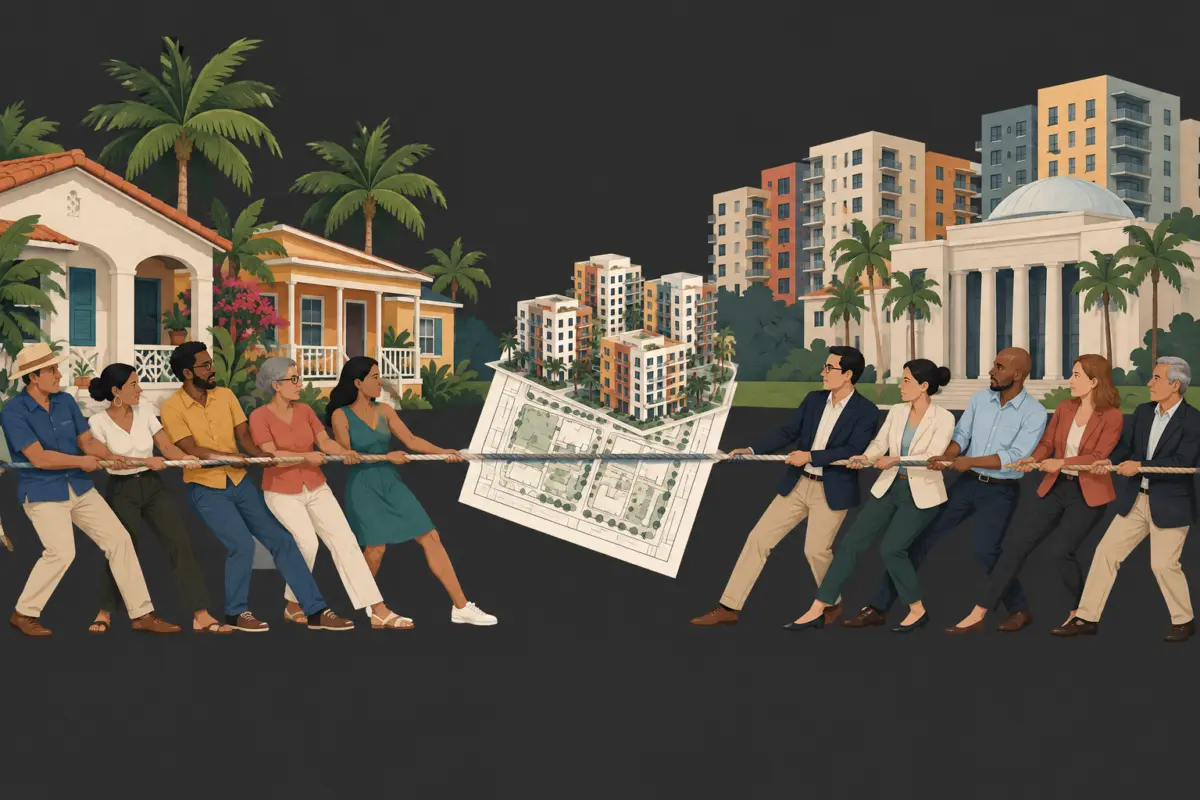
The city has not been deaf to these concerns. Earlier community meetings, which drew significant crowds, revealed deep-seated anxiety regarding rezoning near single-family residential areas south of Calle Ocho and along Ninth Street. Residents feared that allowing multi-story apartments in these pockets would destroy the character of their quiet streets.
In response, city planners have already scaled back the proposal, removing nearly all the affected properties in those specific sensitive areas. A few properties remained in the plan only to serve as a "gradual transition" or buffer between the high-density corridors and the low-density neighborhoods.
Additionally, the city’s engagement of a consultant to refine the neighborhood revitalization district and design guidelines suggests a move toward more nuanced regulation. This effort is being watched closely by residents in nearby neighborhoods like Shenandoah and The Roads, who are pursuing their own conservation-district efforts to manage the pressures of growth.
Investing in the Core: The Future of Calle Ocho
While the zoning debate continues, Miami is moving forward with direct investments in Little Havana’s commercial heart. The City Commission recently approved $7 million for sanitation and security enhancements along Calle Ocho. While this is only half of the $14 million originally proposed, local business leaders see it as a vital step forward.
Zion Mass, CEO of Mass Construction, believes the investment recognizes the enduring relevance of the corridor. "It’s a great opportunity for the neighborhood to change and become a new hub for younger crowds to start to move into," Mass said. He noted that the neighborhood’s proximity to the employment hubs of downtown Miami and Brickell makes it a natural magnet for young professionals, provided the city can maintain its unique charm.
The $7 million investment focuses on the immediate "clean and safe" aspects of the corridor rather than housing supply, but Mass believes it sets the stage for future growth. He emphasized that the responsibility for preserving history lies with both citizens and community leaders.
As the city moves toward a final vote in the coming months, the eyes of the region remain on Little Havana. The outcome will likely serve as a template for how other historic Miami neighborhoods navigate the intense pressure to grow while attempting to remain a place that residents of all income levels can call home.