
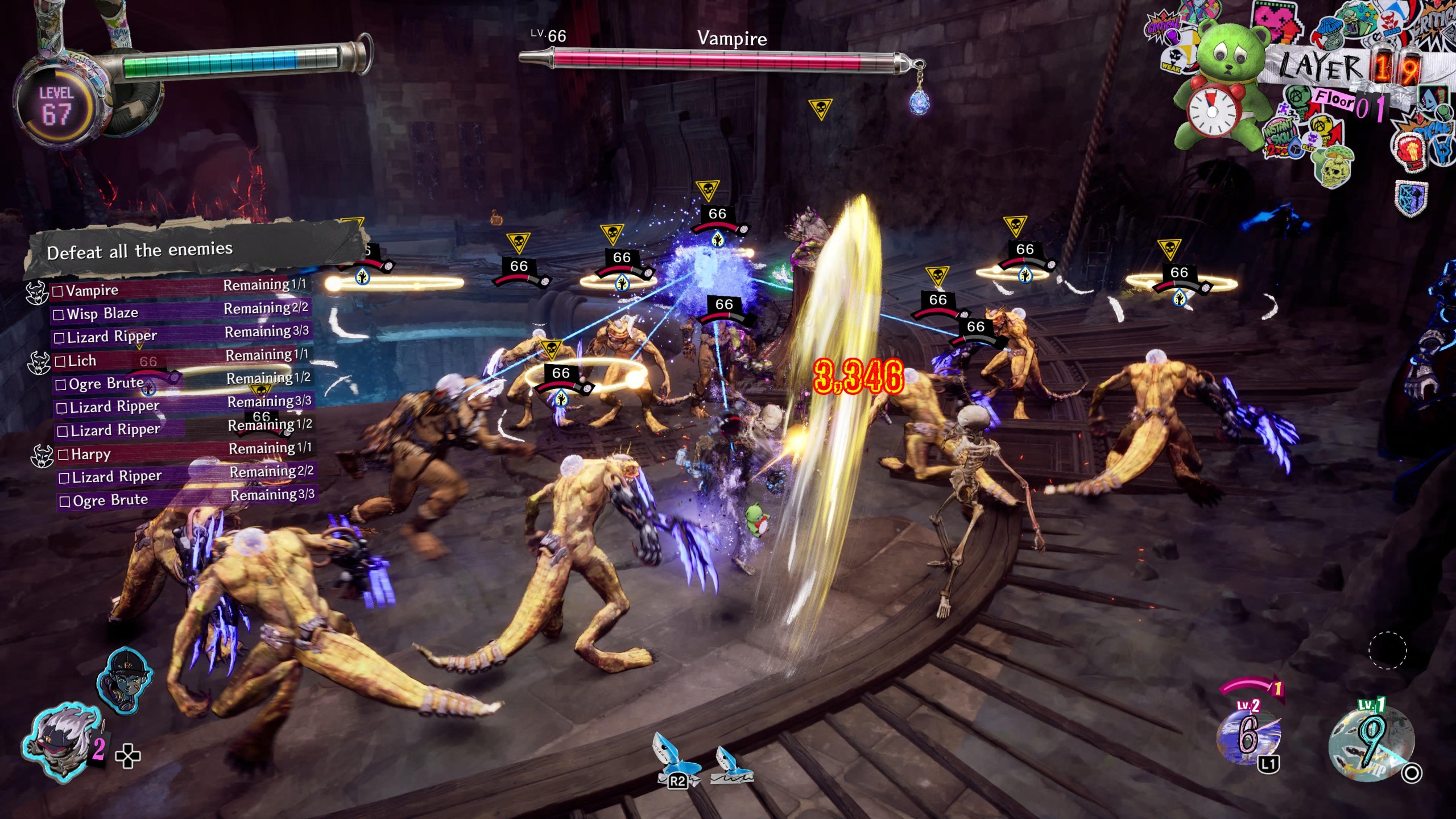
The combat itself is relatively simple, focusing on light and heavy attacks and special abilities. Notably, there is no traditional dodge or block button. Instead, the game features the "Stupid Parry," which encourages Davy to charge directly into incoming attacks. This reduces damage taken and allows him to refill his health by eating enemy cores, which are only exposed during an enemy’s attack animation. This "front-footed" approach ensures that the player is always moving forward, though it lacks the intricate combo depth found in titles like Devil May Cry, despite some of the developers’ history with that franchise.
Technical Frustrations and the JRPG Plateau
While the combat system is clever in concept, it is not without its flaws. The most significant issue is the lack of a lock-on system. In a game defined by fast-paced brawling, the absence of a way to target specific enemies makes it frustratingly easy to swing at empty air. This is particularly problematic on narrow paths suspended over lava or ice, and it makes judging 3D space when fighting flying creatures a chore.
Furthermore, Stupid Never Dies eventually hits a plateau common to many JRPGs. Players will inevitably encounter a boss that is significantly more powerful than Davy’s current build, necessitating a return to previous dungeons to grind for materials. While the individual runs are short, the locations can begin to blur together after repeated visits. The body-part upgrade system can also feel stagnant, occasionally offering the same selection of parts until enough runs have been completed to unlock a new tier of equipment.
This grind is clearly intended to make the player feel Davy’s progression from a pathetic zombie to a formidable, Frankensteined monster, but it can feel like a way to stretch the content of a relatively small game.
A Rockstar Personality
Despite these frustrations, the game remains engaging due to its immense personality. The downtime spent in the mall is enriched by a cast of memorable "weirdos." There is Acelino, a chihuahua-were-dog responsible for body augmentations; Bessie, a zombie who crafts abilities out of fast food; and Goyle, a gargoyle in charge of performance data who suffers from chronic memory loss. These interactions provide just enough lore and humor to make the post-dungeon downtime feel worthwhile.
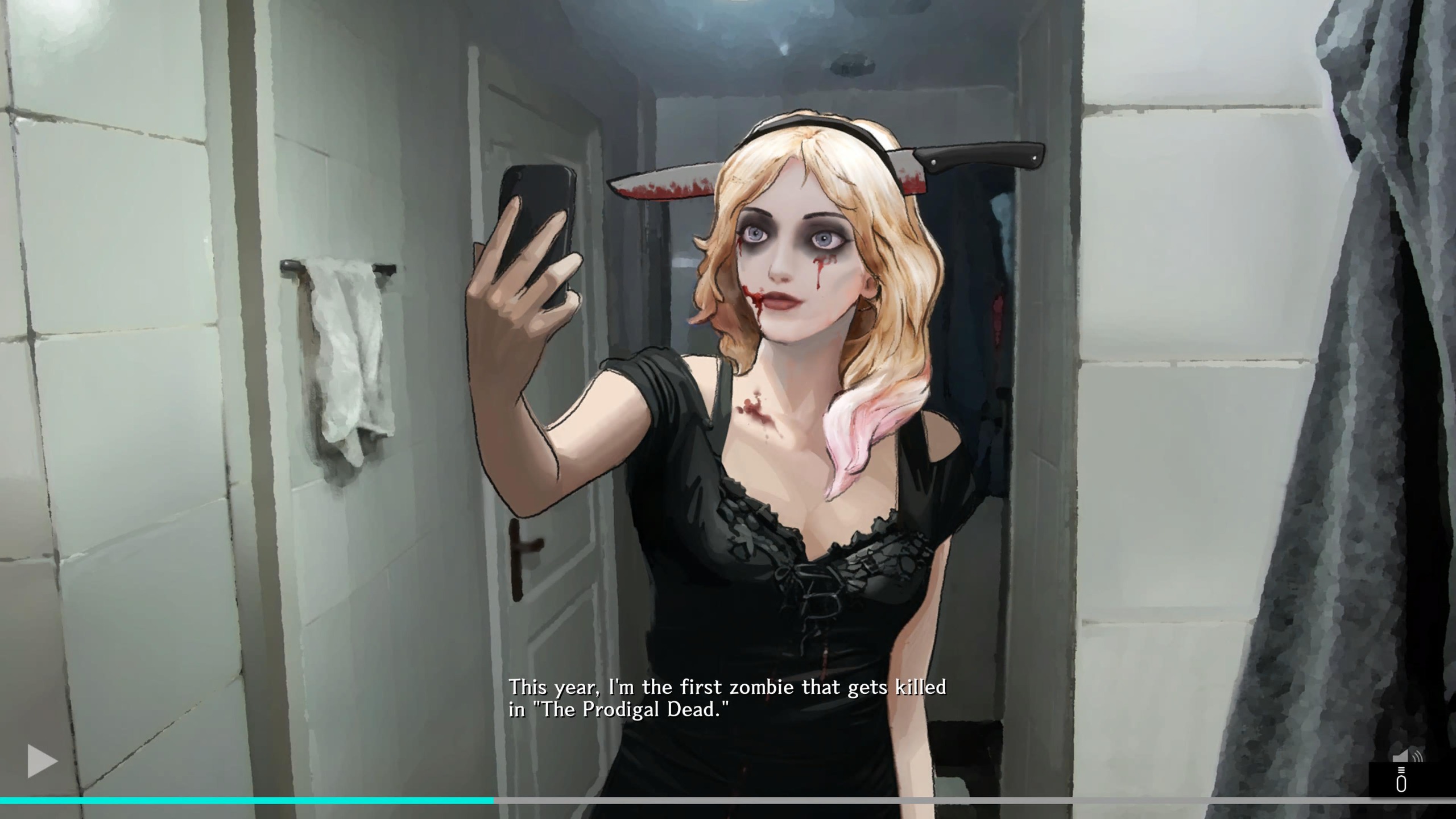
There is also a surprising amount of heart found in Davy’s creepy obsession. Between runs, players can hack into Julie’s tablet to watch her video diaries and learn about her life. What begins as a silly, one-sided romance gradually reveals a strange tragedy beneath the surface, giving the story more weight than one might expect from its absurd premise.
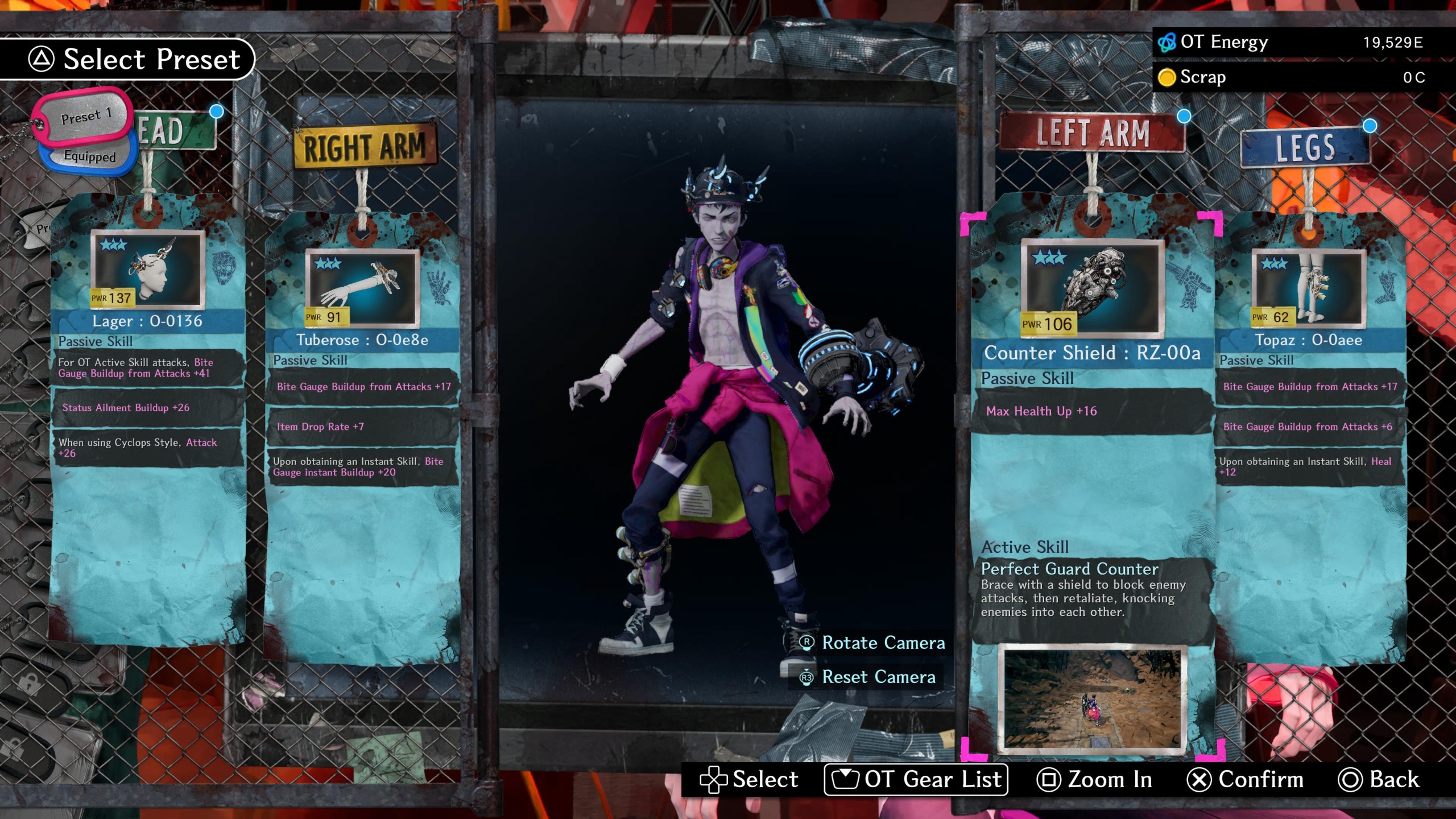
In conclusion, Stupid Never Dies is an eccentric and bold action RPG that succeeds on the strength of its visual identity and its willingness to be different. While the repetition and technical quirks like the lack of lock-on targeting can be frustrating, the clever "Bite" and "Body Hack" systems offer a rewarding experience once the player adapts to the game’s unique rhythm. For those looking for a "punk-rock" alternative to more traditional RPGs, and for those who don’t mind a bit of a grind, there is a quirky, colorful rockstar of a game waiting to be discovered.