
In contrast, the demon realm is painterly and splashy. It is a world of exaggerated shapes and loose details where Davy brawls through scattered memories of human history. One moment, players may find themselves navigating Norse-inspired ice and wind; the next, they are thrust into a Roman-themed volcanic tragedy. These environments are not sprawling open worlds but rather "gamey," narrow gauntlets designed to keep the player focused on the fight.
The visual effects during combat are where the game truly shines. Defeating an enemy triggers explosions of rainbow ink that splash across the environment. When players activate "Davy Burst," his temporary powered-up state, the screen erupts with electric-guitar flourishes and multicolored lighting. Perhaps the most charming touch is the addition of doodled googly eyes and daft little smiles stickered onto enemies—a Spider-Verse-style flourish that adds a layer of absurdity to the carnage. While the visual density can occasionally feel "needy" in its demand for the player’s attention, it succeeds in making every minute of gameplay feel visually fresh.
The Grind and the "Bite" System
Beneath its flashy exterior, Stupid Never Dies is a Japanese action RPG that fully embraces the "grind." The basic gameplay loop is straightforward: Davy enters a dungeon, batters monsters, collects their "cores" to steal their abilities, gathers materials, and returns to the Shopping Mall to upgrade his stats and equipment before heading back in. It is a rhythm reminiscent of the Persona series, though with a much faster turnaround, as dungeon runs typically last between five and ten minutes.
The game’s mechanical depth begins with the "Bite" system. By consuming enemy cores, Davy can recover health or access different monster forms known as "Styles." There are 11 Styles in total, and choosing which ones to bring into a dungeon requires genuine strategy. The Cyclops Style is ideal for crowd control, allowing Davy to swing a massive baseball bat. The Werewolf Style provides the speed necessary to close the gap between enemies, while the Harpy Style offers flight, which is essential for bosses that turn the floor into a hazardous trap.
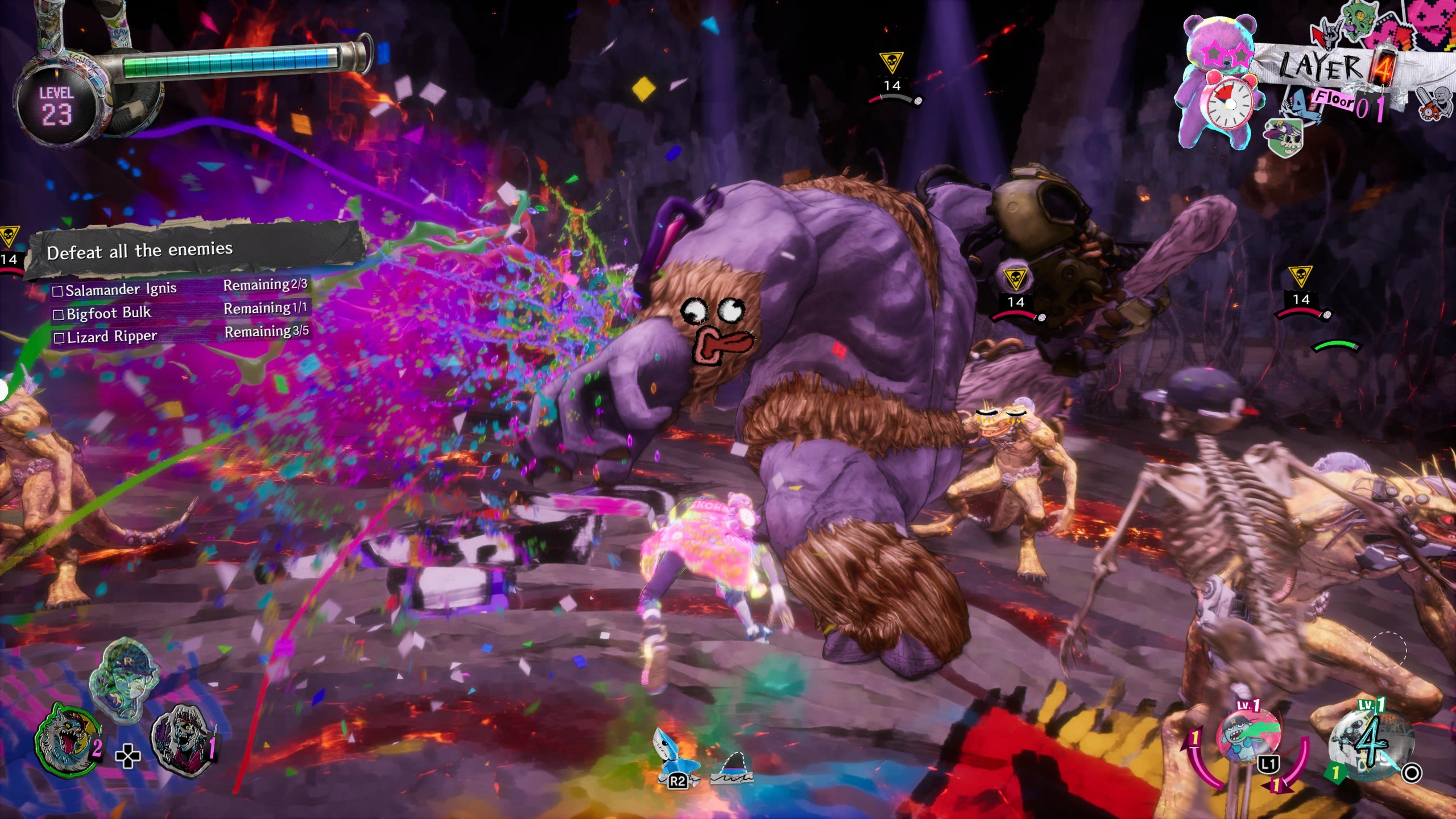
These Styles are more than just cosmetic changes. Each has its own ranking—ranging from Common to Rare—and unique special abilities that evolve over time. For instance, the Vampire Style initially seems underwhelming until players realize its potential for layering attacks. The Vampire can zip through enemies, biting them to release zombie bats that provide sustained damage and allow Davy to utilize dark energy pools for exploration.
Customization via "Body Hack"
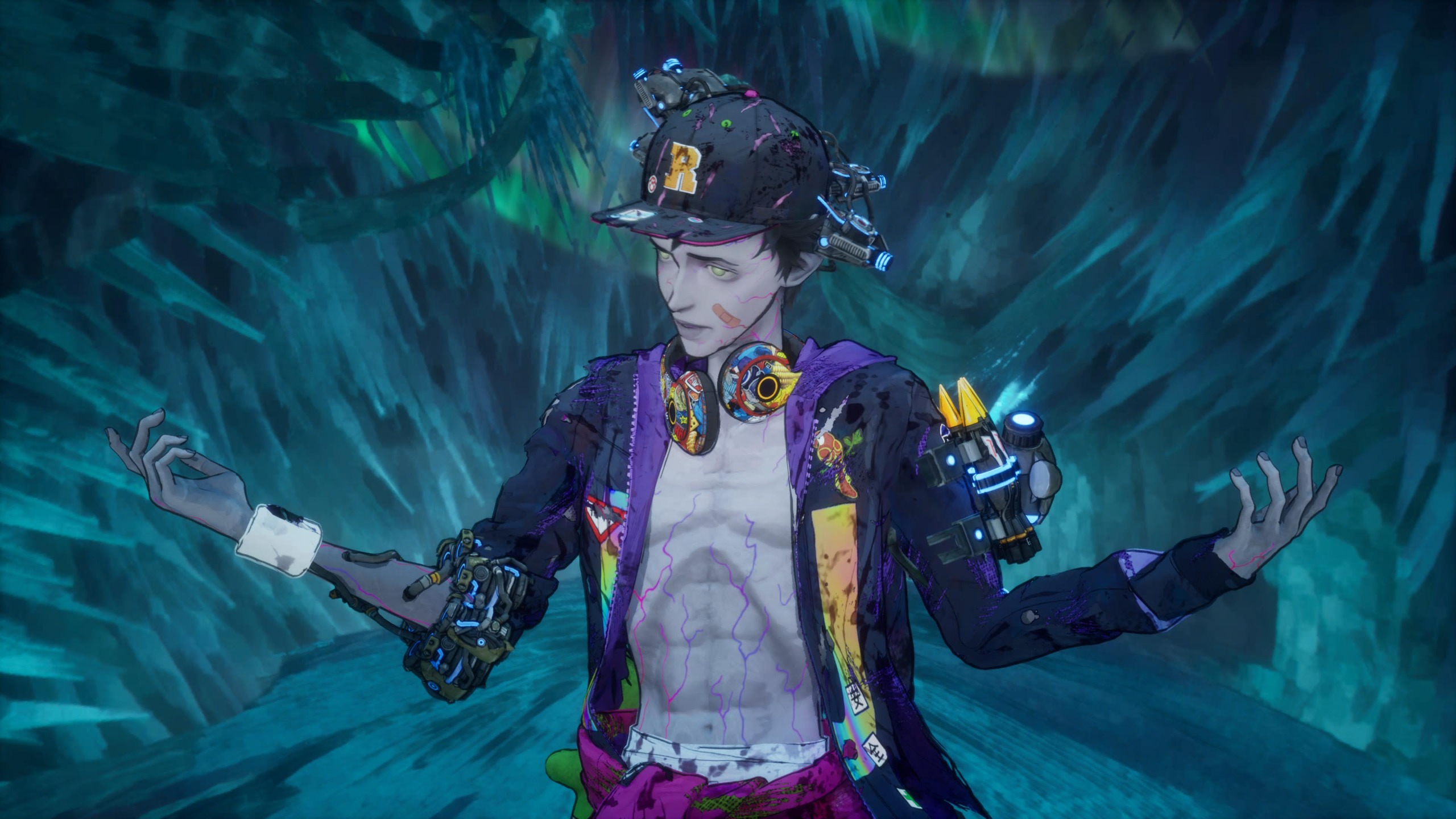
Complementing the Style system is the "Body Hack" mechanic. This allows players to replace Davy’s body parts with "Overtech" equipment to improve his statistics and add new offensive capabilities. The options are varied and delightfully violent, ranging from missile pods and spinning blades to spiked balls and directional dashes.
Interestingly, some of the most effective upgrades are not focused on damage. Enhancements that provide better healing, increased item drop rates, or a faster charge for the "Davy Burst" can often have a more significant impact on the success of a run than a new rocket salvo. The interplay between these systems—Styles, Body Hacks, and core combat—is what provides the game with its strategic hook.