
In the modern landscape of action role-playing games, where many titles strive for either grimdark realism or polished, high-fantasy aesthetics, Sega’s latest offering, Stupid Never Dies, arrives like a brick through a window. Developed by the team at GPTRACK50 Inc. and built on the formidable Unreal Engine 5, this title is a loud, irreverent, and riotously colorful departure from genre norms. It is a game that prioritizes personality and "punk" attitude above all else, offering a clever—if occasionally frustrating—combat system that eventually rewards those willing to embrace its chaotic rhythm.
The game’s identity is forged in a unique blend of anime influences, graphic design, and ’90s zine culture. It is a project that feels deeply personal, as if its creators were given free rein to blend their favorite aesthetic subcultures into a single, cohesive experience. However, beneath the neon-soaked visuals and the electric guitar flourishes lies a traditional, grind-heavy Japanese action RPG that requires a significant investment of time and patience before its various systems truly begin to click.

A Peculiar and Uncomfortable Premise
At the center of Stupid Never Dies is a narrative hook that is as old as the medium itself, yet twisted into something far more bizarre. The protagonist, Davy, is a zombie who has found himself hopelessly in love with a girl named Julia. Davy’s primary motivation is to bring her back to life, but there is a significant, somewhat unsettling snag: Julia is not actually his girlfriend. In fact, she has never met him.
This one-sided romance serves as the driving force for the entire adventure. Davy is convinced that by descending into a demon-infested underworld to defeat a mysterious entity known as "KOM," he can collect the technology required to "defrost" Julia and return her to the land of the living. The game does not shy away from the awkwardness of this setup. In the human world, Davy is portrayed as a shambling, slow-witted mess. He is seen picking his nose while his mentor, the eccentric "Dr. Frank," explains the high-stakes plot. Davy rolls around on a robot vacuum cleaner and generally behaves like an individual who has never had a sensible thought in his undead life.
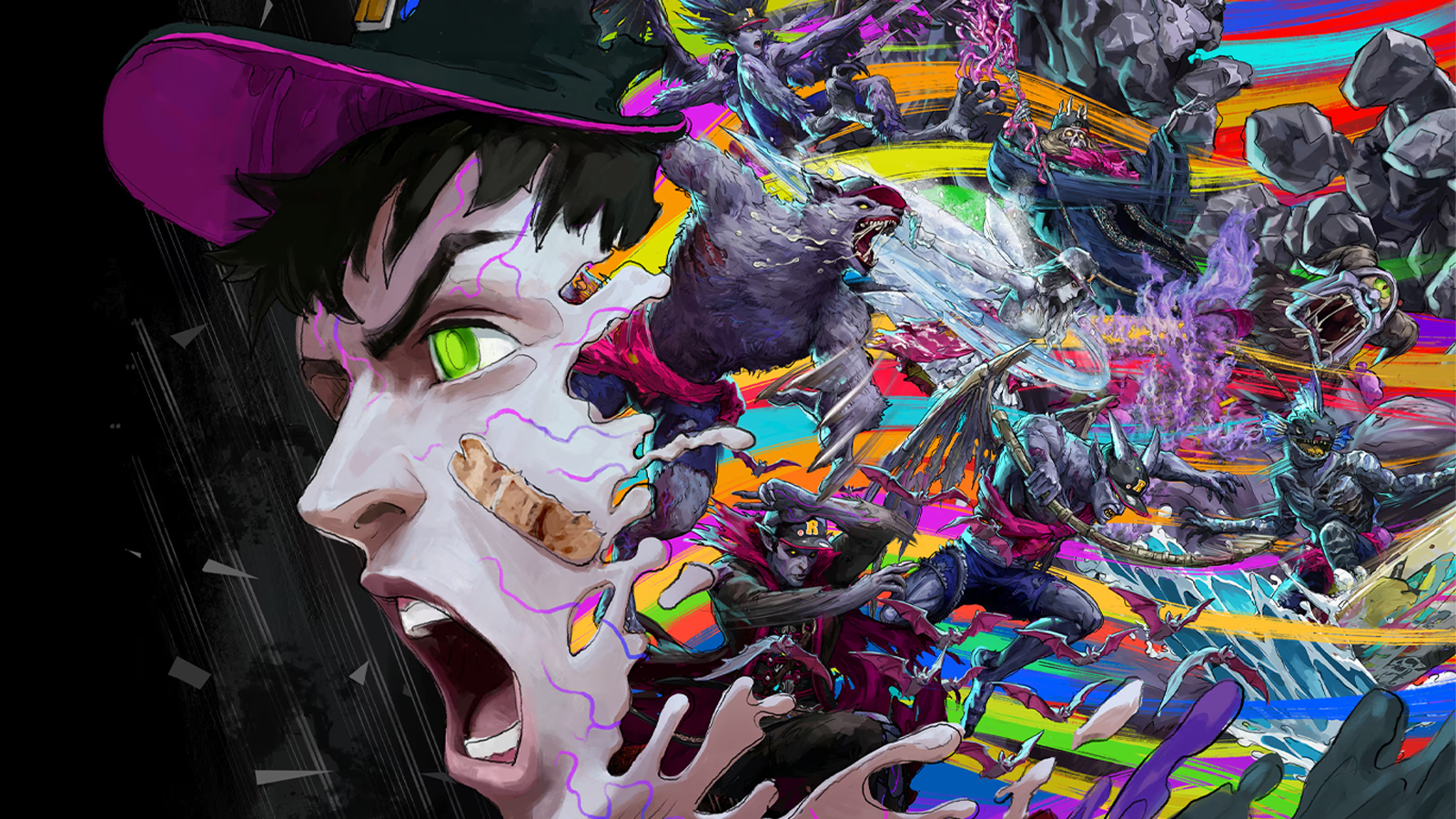
This characterization creates a fascinating, if slightly uncomfortable, contrast. While Davy is a bumbling man-child in the mall hub, his descent into the dungeons transforms him into a zippy, aggressively cartoonish brawler. The game’s title and core philosophy stem from this transformation: Davy is too "stupid" to die, and because he lacks any sense of self-preservation, his combat style is defined by a complete lack of defense and an overwhelming focus on offense.
A Riot of Color and Inventive Visual Design
The most immediate and striking aspect of Stupid Never Dies is its art direction. Utilizing the power of Unreal Engine 5, GPTRACK50 has crafted a visual experience that is a surgical mash-up of pop art, manga, stop-motion animation, and scrapbooking. It is an aesthetic that feels like a blender-mix of Spider-Man: Into the Spider-Verse and Persona 5, seasoned with the irreverent attitude of an underground punk magazine.
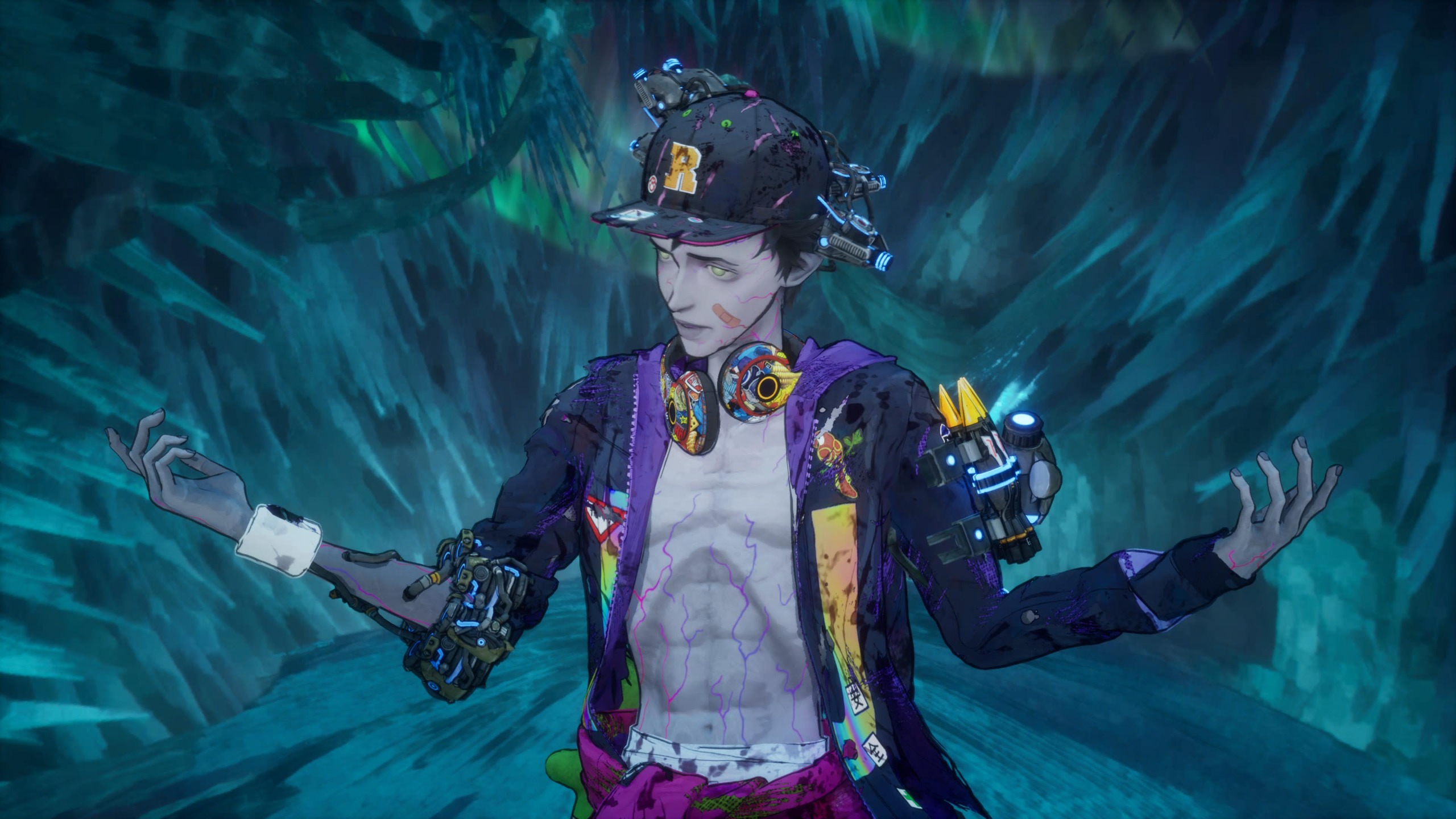
Every element of the presentation, from the menus to the character animations, is bursting with detail. The human world—specifically the shopping mall that serves as Davy’s hub—is rendered with a stark, almost photographic realism. The graphic design and physical details of the mall make it feel solid and lived-in, providing a grounded counterpoint to the madness that awaits below.
In contrast, the demon realm is painterly and splashy. It is a world of exaggerated shapes and loose details where Davy brawls through scattered memories of human history. One moment, players may find themselves navigating Norse-inspired ice and wind; the next, they are thrust into a Roman-themed volcanic tragedy. These environments are not sprawling open worlds but rather "gamey," narrow gauntlets designed to keep the player focused on the fight.
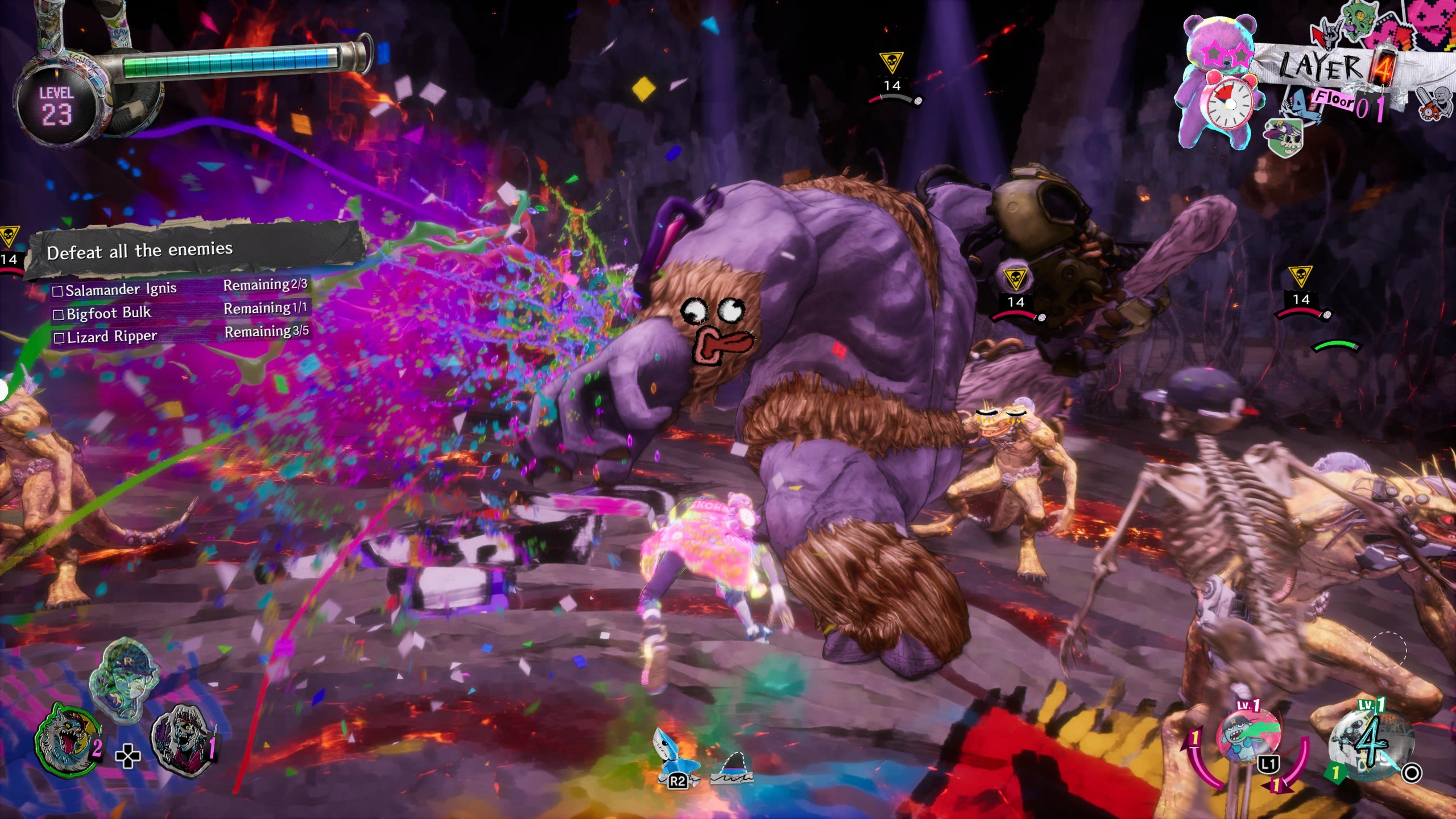
The visual effects during combat are where the game truly shines. Defeating an enemy triggers explosions of rainbow ink that splash across the environment. When players activate "Davy Burst," his temporary powered-up state, the screen erupts with electric-guitar flourishes and multicolored lighting. Perhaps the most charming touch is the addition of doodled googly eyes and daft little smiles stickered onto enemies—a Spider-Verse-style flourish that adds a layer of absurdity to the carnage. While the visual density can occasionally feel "needy" in its demand for the player’s attention, it succeeds in making every minute of gameplay feel visually fresh.
The Grind and the "Bite" System
Beneath its flashy exterior, Stupid Never Dies is a Japanese action RPG that fully embraces the "grind." The basic gameplay loop is straightforward: Davy enters a dungeon, batters monsters, collects their "cores" to steal their abilities, gathers materials, and returns to the Shopping Mall to upgrade his stats and equipment before heading back in. It is a rhythm reminiscent of the Persona series, though with a much faster turnaround, as dungeon runs typically last between five and ten minutes.
The game’s mechanical depth begins with the "Bite" system. By consuming enemy cores, Davy can recover health or access different monster forms known as "Styles." There are 11 Styles in total, and choosing which ones to bring into a dungeon requires genuine strategy. The Cyclops Style is ideal for crowd control, allowing Davy to swing a massive baseball bat. The Werewolf Style provides the speed necessary to close the gap between enemies, while the Harpy Style offers flight, which is essential for bosses that turn the floor into a hazardous trap.
These Styles are more than just cosmetic changes. Each has its own ranking—ranging from Common to Rare—and unique special abilities that evolve over time. For instance, the Vampire Style initially seems underwhelming until players realize its potential for layering attacks. The Vampire can zip through enemies, biting them to release zombie bats that provide sustained damage and allow Davy to utilize dark energy pools for exploration.
Customization via "Body Hack"
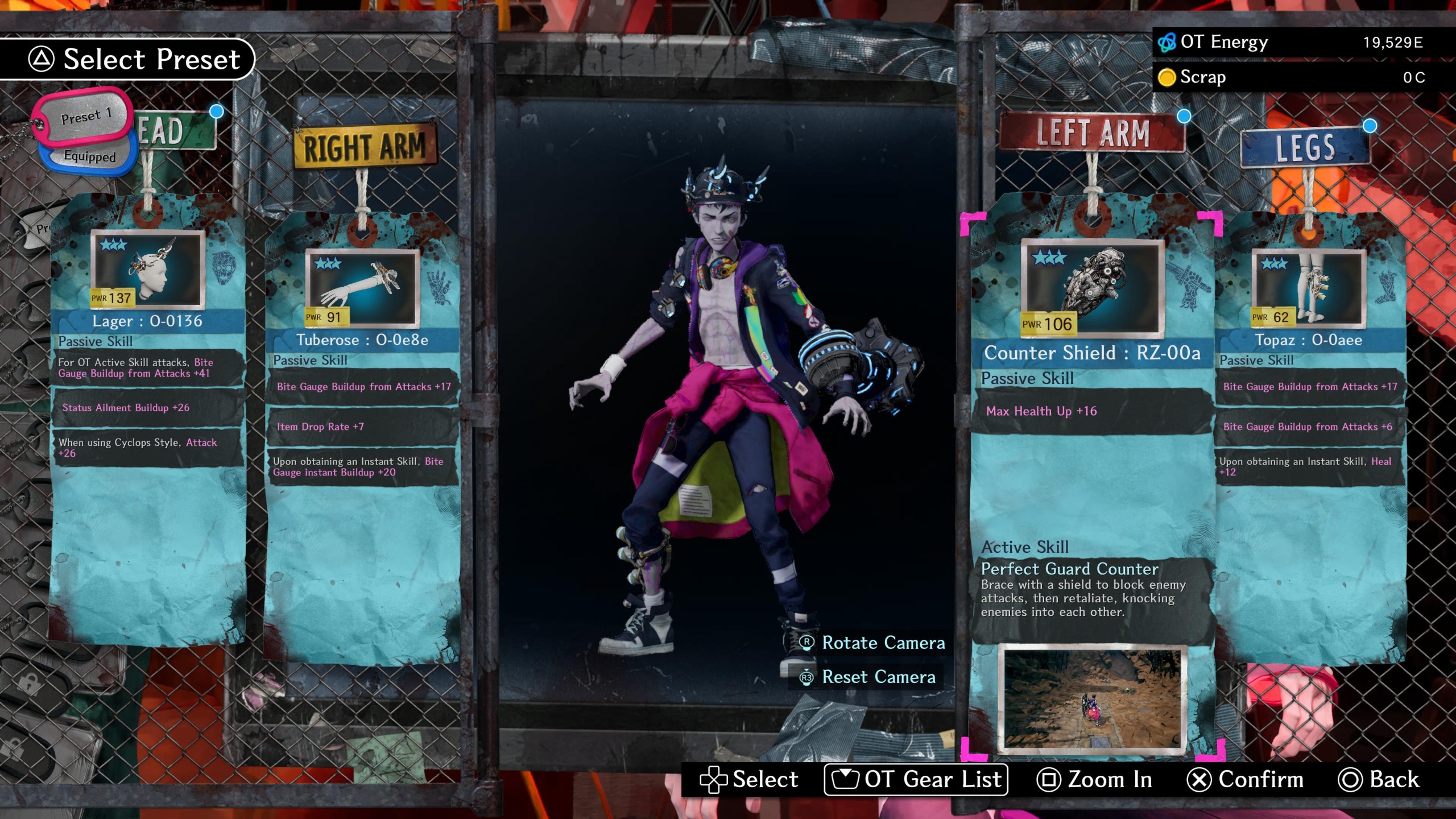
Complementing the Style system is the "Body Hack" mechanic. This allows players to replace Davy’s body parts with "Overtech" equipment to improve his statistics and add new offensive capabilities. The options are varied and delightfully violent, ranging from missile pods and spinning blades to spiked balls and directional dashes.
Interestingly, some of the most effective upgrades are not focused on damage. Enhancements that provide better healing, increased item drop rates, or a faster charge for the "Davy Burst" can often have a more significant impact on the success of a run than a new rocket salvo. The interplay between these systems—Styles, Body Hacks, and core combat—is what provides the game with its strategic hook.
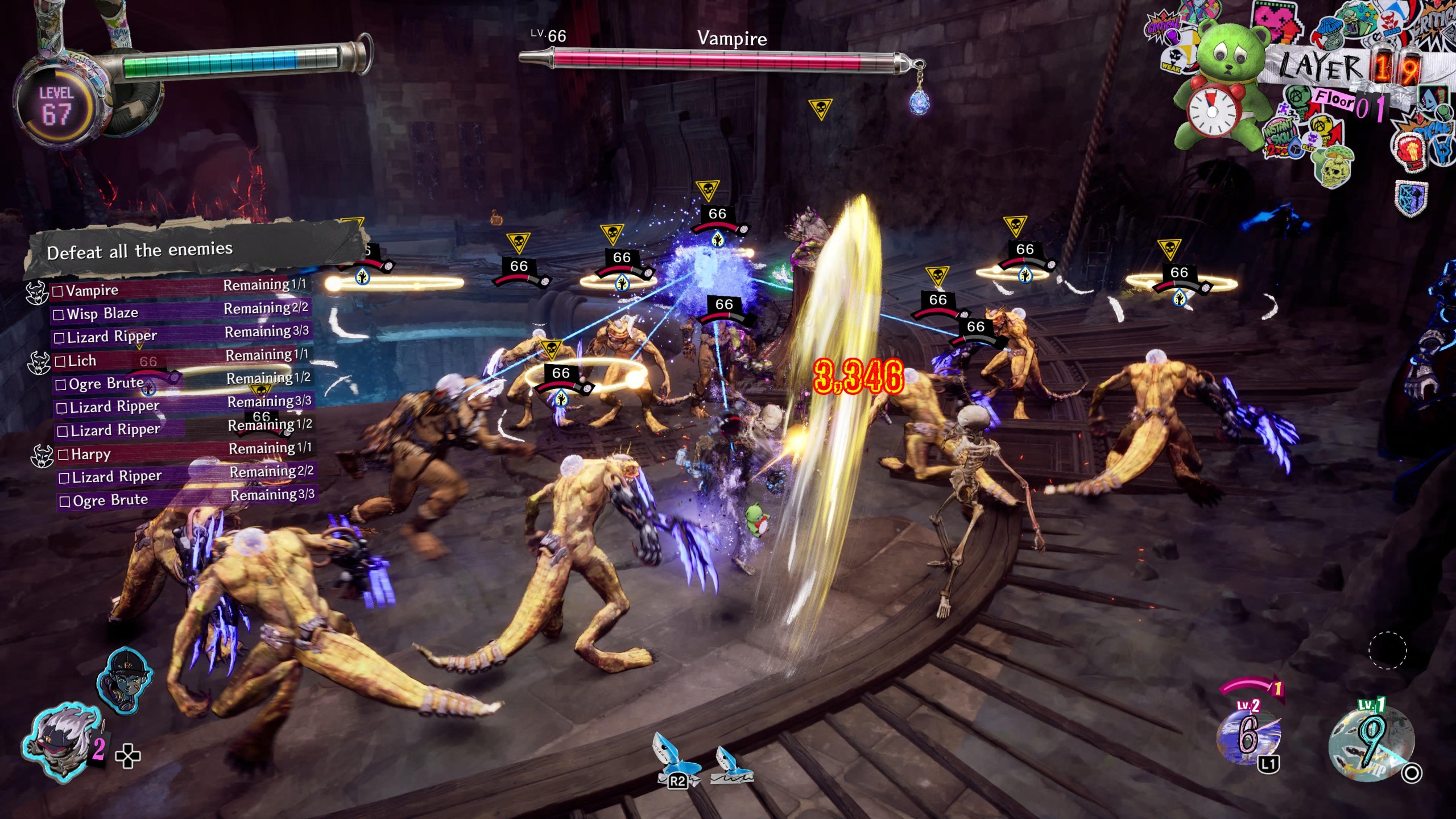
The combat itself is relatively simple, focusing on light and heavy attacks and special abilities. Notably, there is no traditional dodge or block button. Instead, the game features the "Stupid Parry," which encourages Davy to charge directly into incoming attacks. This reduces damage taken and allows him to refill his health by eating enemy cores, which are only exposed during an enemy’s attack animation. This "front-footed" approach ensures that the player is always moving forward, though it lacks the intricate combo depth found in titles like Devil May Cry, despite some of the developers’ history with that franchise.
Technical Frustrations and the JRPG Plateau
While the combat system is clever in concept, it is not without its flaws. The most significant issue is the lack of a lock-on system. In a game defined by fast-paced brawling, the absence of a way to target specific enemies makes it frustratingly easy to swing at empty air. This is particularly problematic on narrow paths suspended over lava or ice, and it makes judging 3D space when fighting flying creatures a chore.
Furthermore, Stupid Never Dies eventually hits a plateau common to many JRPGs. Players will inevitably encounter a boss that is significantly more powerful than Davy’s current build, necessitating a return to previous dungeons to grind for materials. While the individual runs are short, the locations can begin to blur together after repeated visits. The body-part upgrade system can also feel stagnant, occasionally offering the same selection of parts until enough runs have been completed to unlock a new tier of equipment.
This grind is clearly intended to make the player feel Davy’s progression from a pathetic zombie to a formidable, Frankensteined monster, but it can feel like a way to stretch the content of a relatively small game.
A Rockstar Personality
Despite these frustrations, the game remains engaging due to its immense personality. The downtime spent in the mall is enriched by a cast of memorable "weirdos." There is Acelino, a chihuahua-were-dog responsible for body augmentations; Bessie, a zombie who crafts abilities out of fast food; and Goyle, a gargoyle in charge of performance data who suffers from chronic memory loss. These interactions provide just enough lore and humor to make the post-dungeon downtime feel worthwhile.
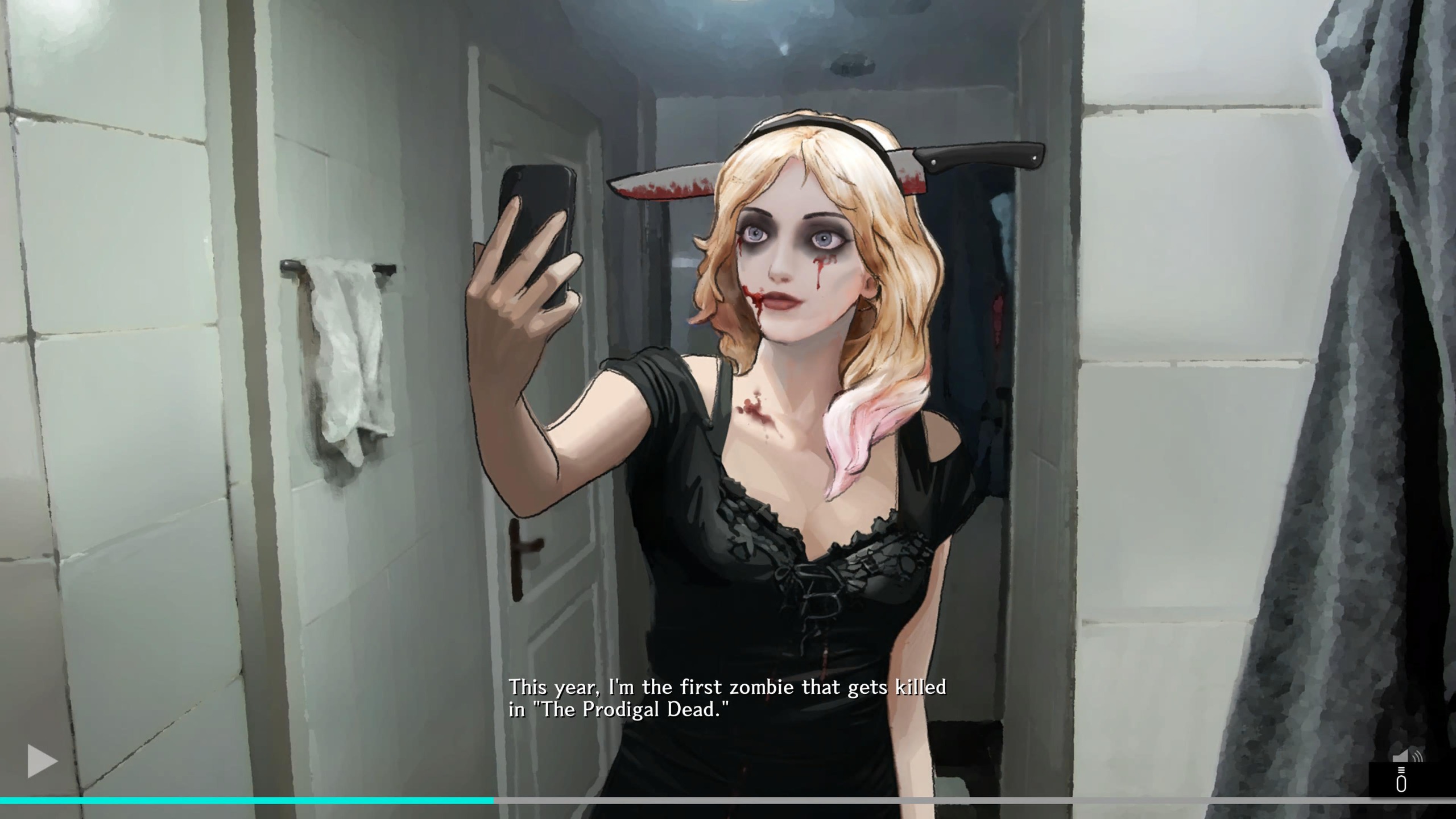
There is also a surprising amount of heart found in Davy’s creepy obsession. Between runs, players can hack into Julie’s tablet to watch her video diaries and learn about her life. What begins as a silly, one-sided romance gradually reveals a strange tragedy beneath the surface, giving the story more weight than one might expect from its absurd premise.
In conclusion, Stupid Never Dies is an eccentric and bold action RPG that succeeds on the strength of its visual identity and its willingness to be different. While the repetition and technical quirks like the lack of lock-on targeting can be frustrating, the clever "Bite" and "Body Hack" systems offer a rewarding experience once the player adapts to the game’s unique rhythm. For those looking for a "punk-rock" alternative to more traditional RPGs, and for those who don’t mind a bit of a grind, there is a quirky, colorful rockstar of a game waiting to be discovered.