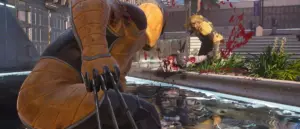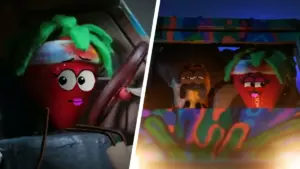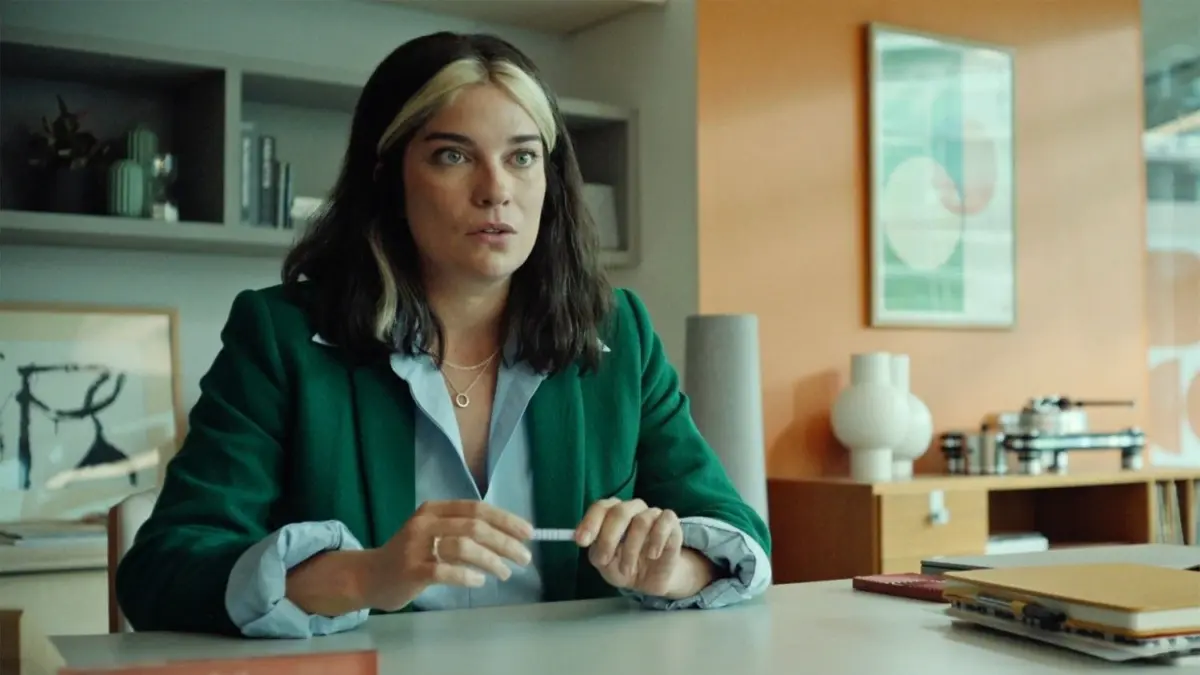
However, this "quality" brings with it a set of dangers that "slop" never possessed. "Slop" is a warning sign; high-fidelity AI is a disguise. When AI-generated media becomes this competent, it raises urgent questions that go far beyond aesthetics.
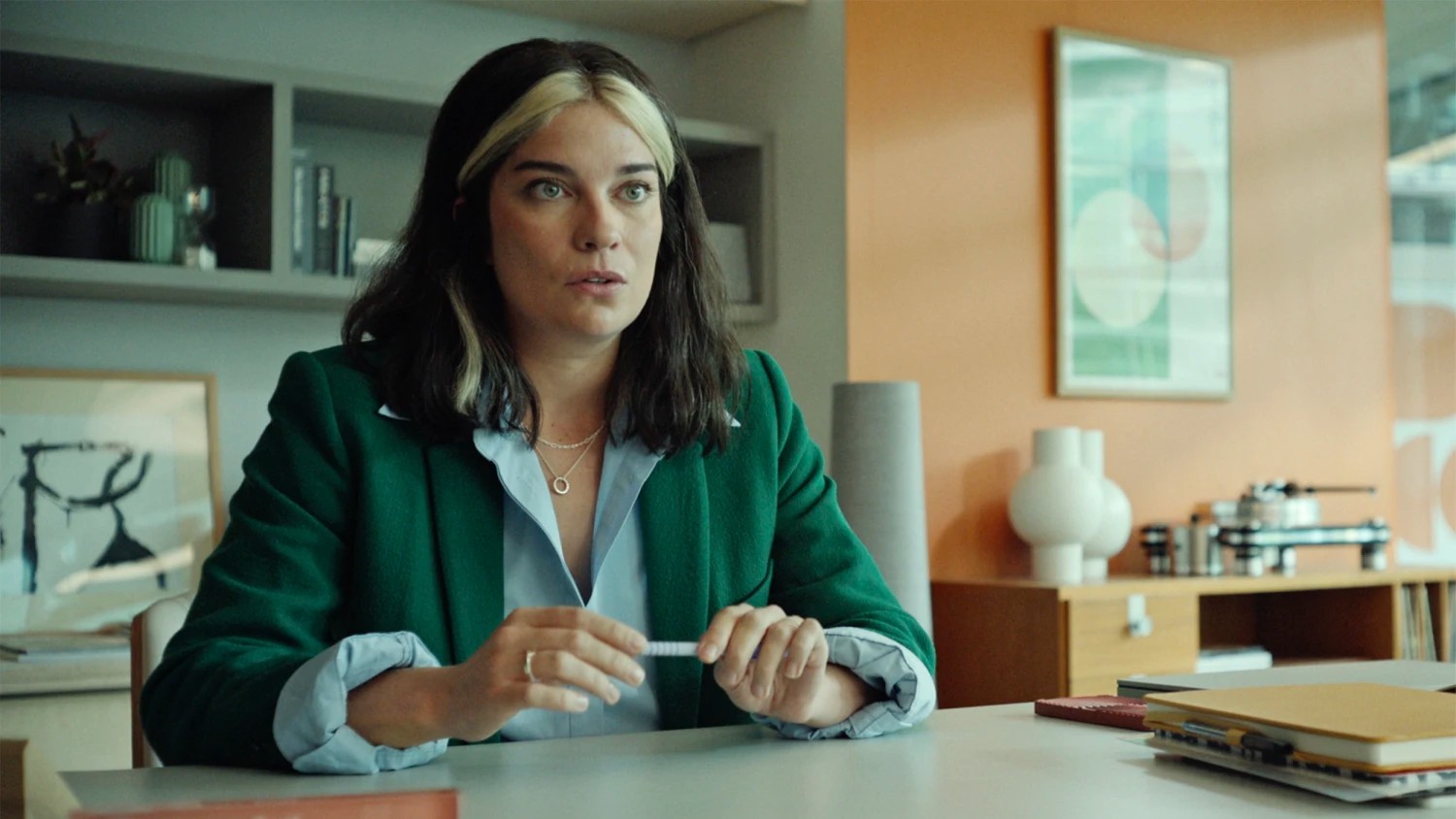
The Accelerated Future: From Black Mirror to Reality
In the summer of 2023, the Black Mirror episode "Joan Is Awful" depicted a dystopian near-future where a streaming giant used AI and CGI to instantly turn the lives of ordinary people into dramatic content. At the time, the episode felt like a cautionary tale about a world that was perhaps a decade away.
Yet, here we are, barely two years later, and the technology has already caught up. The ability to create a 55-minute narrative film with convincing synthetic actors is no longer a sci-fi premise; it is a reality available to anyone with a powerful enough computer and the right software. The timeline for the "death of authenticity" has accelerated beyond our wildest projections.
The danger of this new wave of "competent AI" lies in its ability to bypass our natural skepticism. When we see "slop," our brains immediately flag it as untrustworthy. When we see something like "The Unmade Season," we accept it as real. This creates a massive opening for misinformation, the unauthorized use of likenesses, and the further erosion of the labor market for actors, editors, and cinematographers.
The Need for a New Vocabulary
We are reaching a point where we need a new word. "Slop" is no longer enough to describe the ethical and social minefield of high-quality synthetic media. We need a term that acknowledges the technical proficiency of the work while still questioning its impact on consent, labor, and the environment.
The environmental cost of generating an hour-long, high-fidelity AI film is astronomical compared to traditional filmmaking. The questions of whose data was used to train the models that "acted" in the film remain unanswered. And the precedent it sets for the future of the creative industries is profound. If a single creator can generate a feature-length film that fools professionals, what happens to the thousands of people who make their living in the "scrappy but earnest" world of independent film?
The term "AI slop" served us well. it helped the public organize against a wave of digital junk and forced major corporations to rethink their reliance on cheap automation. But as the "junk" begins to look like art, our criticism must become more nuanced. We are no longer just fighting against "crap"; we are fighting for the very definition of what it means for something to be "real" in the digital age. We need a new shorthand for this sophisticated deception, and we need it before the line between the human and the synthetic vanishes entirely.