Not long ago, the term "AI slop" entered the global lexicon with the force of a cultural tidal wave. It was a phrase that required almost no explanation; even those who had never heard the term intuitively understood its meaning the moment it was uttered. For anyone who has spent time scrolling through a Facebook feed or a Twitter timeline over the last eighteen months, the visual evidence was inescapable. The digital landscape had become a dumping ground for "zombie Santas" with melting faces, surreal and anatomically impossible depictions of religious figures, and viral videos of domestic animals performing backflips that defied the laws of Euclidean geometry.
The term was more than just a descriptor; it was a visceral reaction to a new kind of aesthetic pollution. It managed to condense a complex technological and cultural phenomenon into two concise, biting syllables. The impact of the phrase was so significant that by 2025, both Merriam-Webster and the American Dialect Society officially recognized "AI slop" as their Word of the Year. It was a rare moment of linguistic unity, where the public found a shared shorthand to express their growing fatigue and disgust with the low-effort, high-volume output of generative artificial intelligence.
However, as the technology behind these creations evolves at a breakneck pace, a troubling realization is beginning to dawn on cultural critics and media observers. While "AI slop" was the perfect weapon for a specific moment in time, it may already be outliving its usefulness. The era of "slop"—characterized by visible errors, cheap production, and a rushed, unpolished feel—is rapidly giving way to a more sophisticated, more deceptive form of synthetic media. As AI content becomes more natural-looking and professionally executed, the vocabulary we use to criticize it must also evolve.
The Rise and Fall of the "Slop" Era
The term "slop" was effective because it described a specific kind of failure. It was the digital equivalent of industrial runoff—something produced without care, intended only to clog the pipes of the attention economy and farm engagement from unsuspecting or automated accounts. Because it was so visibly terrible, it was easy to organize against.
The public backlash against "slop" was swift and, in many cases, highly effective. Large corporations that attempted to cut corners by using generative AI found themselves in the crosshairs of a newly energized consumer base. Coca-Cola, a brand that prides itself on its "Real Magic" marketing philosophy, faced a significant public relations drubbing when it utilized AI in its iconic Christmas advertisements. The festive warmth the brand usually projects was replaced, in the eyes of many, by an uncanny, artificial chill.
Similarly, McDonald’s Netherlands was forced to pull a commercial after its "brazen" use of AI was called out by eagle-eyed viewers who found the synthetic visuals jarring and unwelcome. In the gaming industry, Activision faced a massive wave of criticism for using AI-generated assets in promotional materials for its mobile titles. In each of these instances, the term "slop" acted as a rallying cry. It allowed the public to articulate exactly why they felt cheated: the content felt cheap, it felt unearned, and it felt like a betrayal of the human craft that these brands usually claim to value.
But the defining characteristic of this "slop" was its obviousness. You knew it was AI because it looked wrong. The fingers were too numerous, the eyes were glassy, and the backgrounds shimmered with a tell-tale digital instability. We are now entering a phase where those red flags are disappearing.
When the Synthetic Becomes Seamless
The limitations of the term "slop" become clear when we encounter AI content that is, by any objective standard, "good." A recent and poignant example of this shift occurred in the world of independent filmmaking and fan culture.
Tom May, an award-winning journalist and author specializing in design and technology, recently shared an experience that serves as a harbinger for the future of digital media. While performing the mundane task of ironing, May had YouTube playing in the background. The algorithm, in its infinite and often unpredictable wisdom, transitioned from a video he had selected to a fan-made Doctor Who film titled "The Unmade Season."
Initially, May was only half-attuned to the screen. He perceived the film as a "scrappy but earnest" production—a story centered on a secret military installation on the rugged Scottish coast. However, as he continued to watch, he found himself increasingly impressed by the production values. This did not look like the typical fan project filmed on an iPhone in a local park. It had the visual weight of a professional production, leading May to assume it had been created by industry veterans using high-quality stock footage and a substantial budget.
He watched the entire 55-minute episode, captivated by the story. While there were occasional "odd moments"—a slightly mistimed edit or a strange pause in dialogue—he attributed these to the limitations of a passionate amateur crew working without the massive financial backing of the BBC. It was only after the credits rolled, when he began scrolling through the comments section, that he discovered the staggering truth: the entire film had been generated with AI.
This was not a case of AI being used for "touch-ups" or special effects. Every element, including the "actor" portraying the Doctor, was a synthetic creation. May, a professional who spends his life analyzing visual media, had been entirely convinced he was watching a human being. He was not alone; the comments were filled with viewers expressing a similar sense of shock and disbelief.
The Human Element in a Synthetic World
What makes "The Unmade Season" so significant is that it defies the "slop" label. The character movements were fluid and natural. The dialogue was not only convincing in its delivery but was actually well-written. Crucially, the film possessed a soul—a narrative drive that was the result of human authorship. The creator had written a compelling script and used AI as a tool to realize a vision that would have otherwise been financially impossible.
This presents a new and complex challenge. If the content is engaging, well-written, and visually indistinguishable from reality, does it still deserve the derogatory labels we’ve grown accustomed to? The creator of "The Unmade Season" (whose work has since been moved from YouTube to a dedicated website) demonstrated that AI can be used to produce something of genuine quality.
However, this "quality" brings with it a set of dangers that "slop" never possessed. "Slop" is a warning sign; high-fidelity AI is a disguise. When AI-generated media becomes this competent, it raises urgent questions that go far beyond aesthetics.
The Accelerated Future: From Black Mirror to Reality
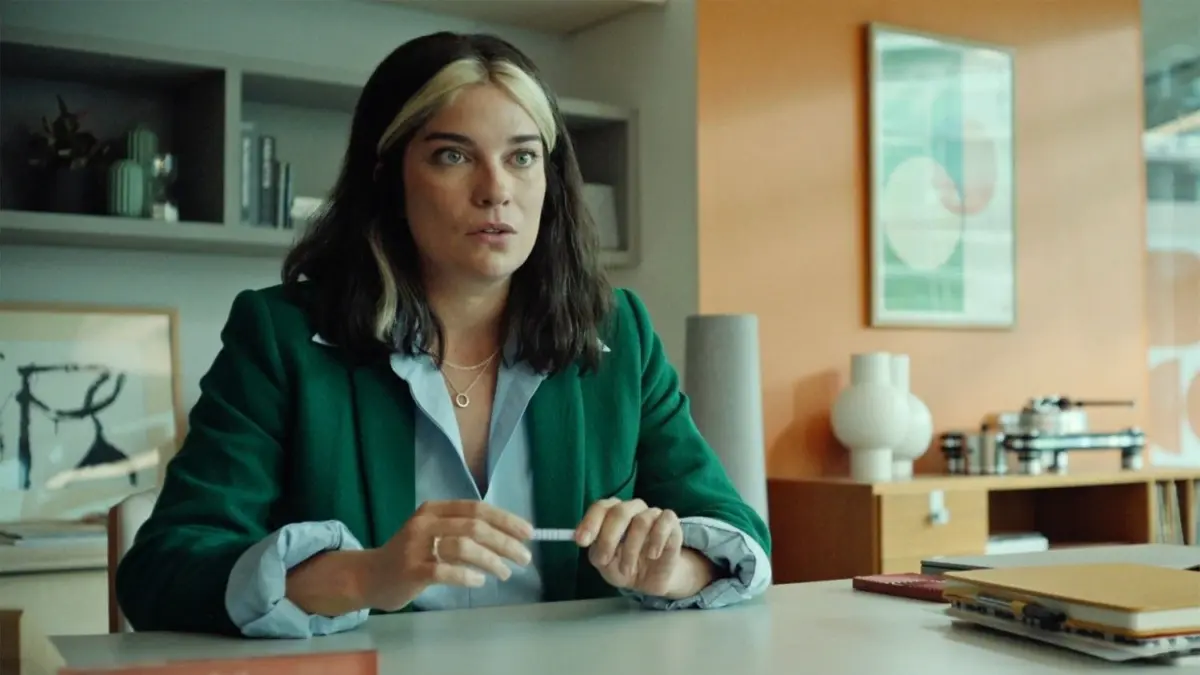
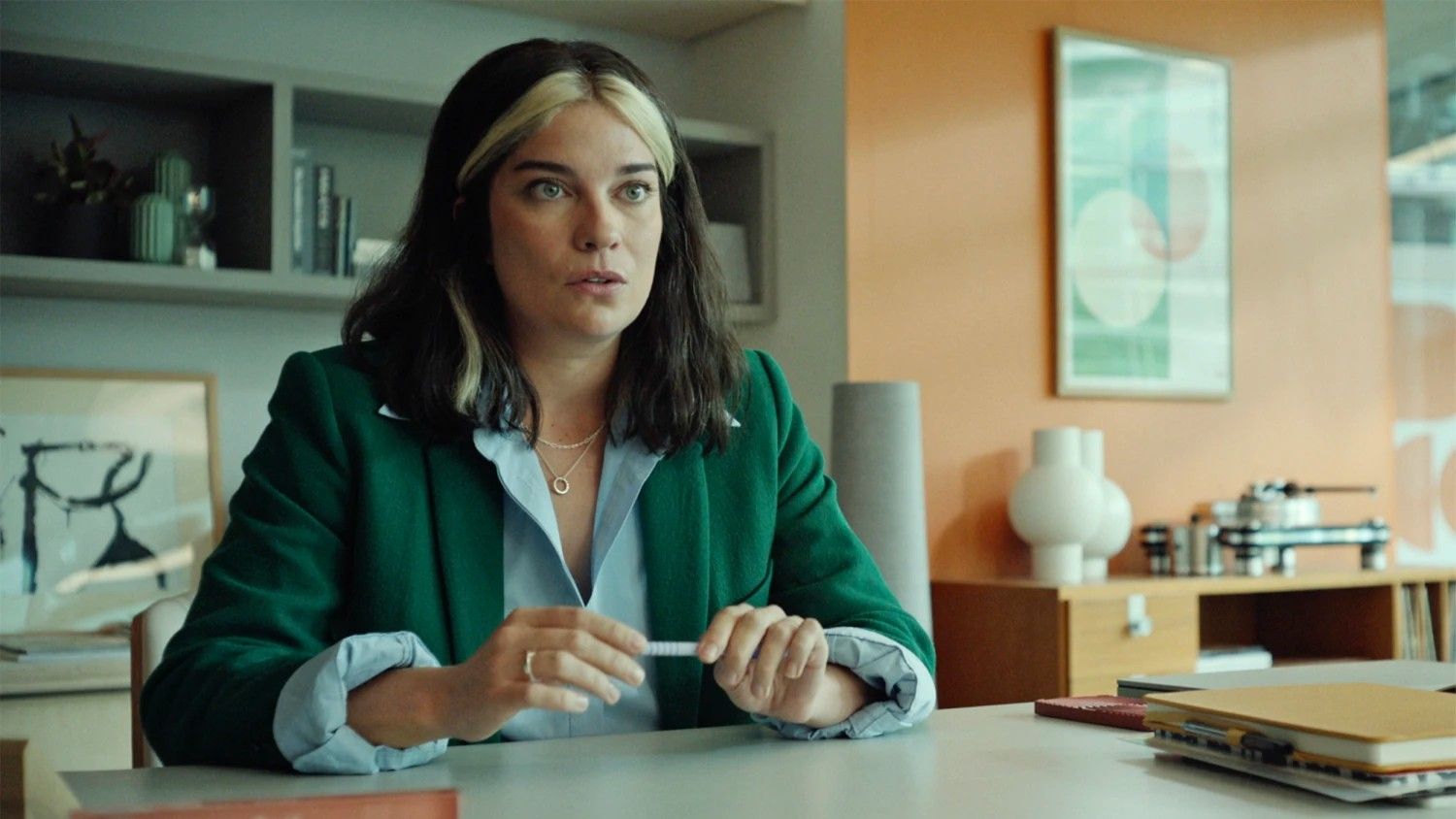
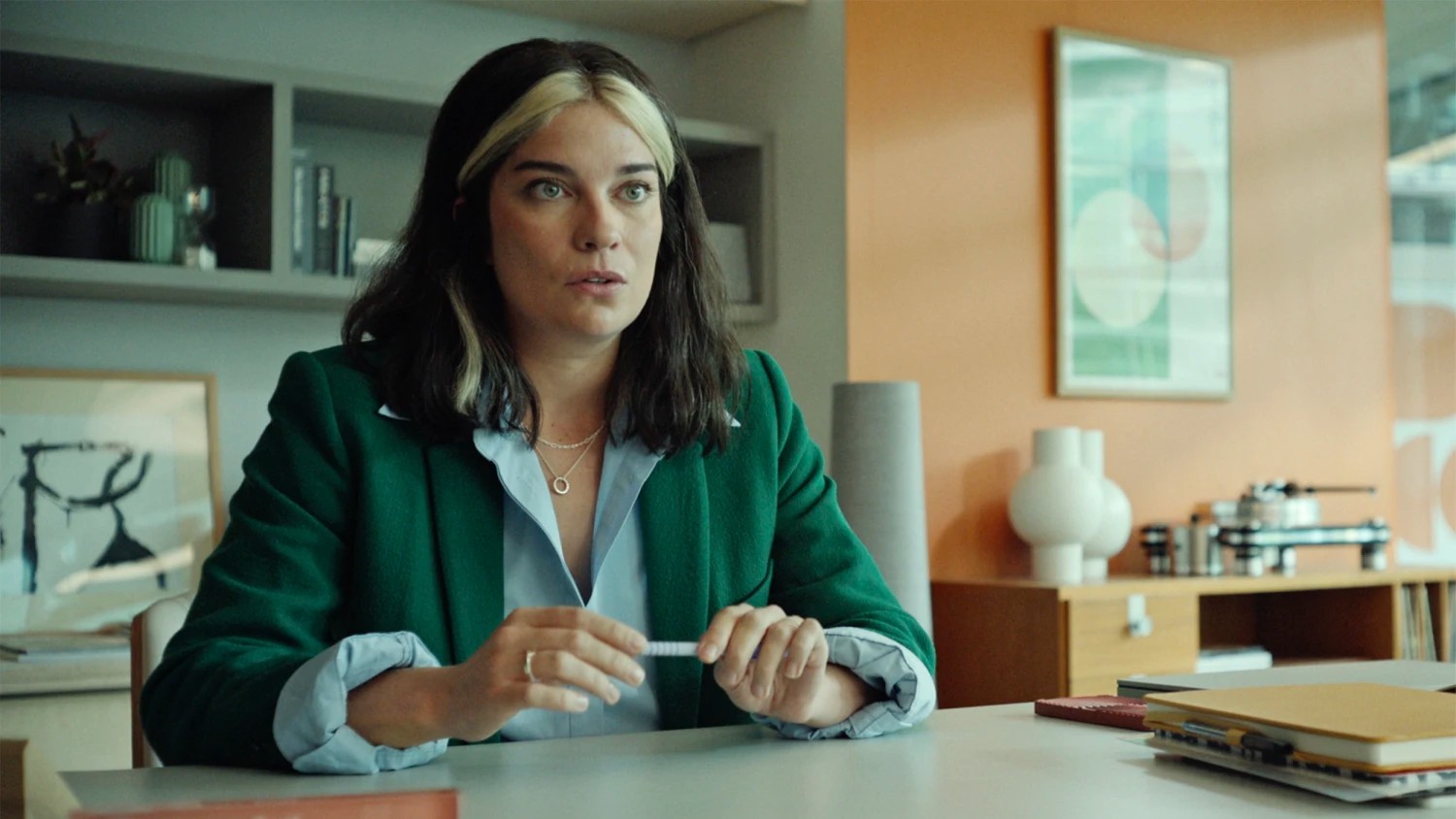
In the summer of 2023, the Black Mirror episode "Joan Is Awful" depicted a dystopian near-future where a streaming giant used AI and CGI to instantly turn the lives of ordinary people into dramatic content. At the time, the episode felt like a cautionary tale about a world that was perhaps a decade away.
Yet, here we are, barely two years later, and the technology has already caught up. The ability to create a 55-minute narrative film with convincing synthetic actors is no longer a sci-fi premise; it is a reality available to anyone with a powerful enough computer and the right software. The timeline for the "death of authenticity" has accelerated beyond our wildest projections.
The danger of this new wave of "competent AI" lies in its ability to bypass our natural skepticism. When we see "slop," our brains immediately flag it as untrustworthy. When we see something like "The Unmade Season," we accept it as real. This creates a massive opening for misinformation, the unauthorized use of likenesses, and the further erosion of the labor market for actors, editors, and cinematographers.
The Need for a New Vocabulary
We are reaching a point where we need a new word. "Slop" is no longer enough to describe the ethical and social minefield of high-quality synthetic media. We need a term that acknowledges the technical proficiency of the work while still questioning its impact on consent, labor, and the environment.
The environmental cost of generating an hour-long, high-fidelity AI film is astronomical compared to traditional filmmaking. The questions of whose data was used to train the models that "acted" in the film remain unanswered. And the precedent it sets for the future of the creative industries is profound. If a single creator can generate a feature-length film that fools professionals, what happens to the thousands of people who make their living in the "scrappy but earnest" world of independent film?
The term "AI slop" served us well. it helped the public organize against a wave of digital junk and forced major corporations to rethink their reliance on cheap automation. But as the "junk" begins to look like art, our criticism must become more nuanced. We are no longer just fighting against "crap"; we are fighting for the very definition of what it means for something to be "real" in the digital age. We need a new shorthand for this sophisticated deception, and we need it before the line between the human and the synthetic vanishes entirely.