Upon docking at Sifnos, the village of Kastro serves as an ideal base of operations. Once the ancient capital of the island, Kastro is a labyrinth of narrow alleys and historic stone architecture. Staying here allows travelers to abandon their vehicles and explore the ancient settlement on foot.

As evening falls, Loggia Wine Bar provides an introduction to the island’s sophisticated side. Carved into the side of a cliff with amphitheater-style seating, the bar offers a selection of wines that are as rooted in the landscape as the stone itself. A standout is the unfiltered red made from old-vine Mouchtaro grapes, grown at high altitudes in the Geraneia Mountains. To eat, the bar serves potatoes roasted on charcoal paired with a rich tarama aioli, and a unique panzanella that replaces traditional bread with crumbled Sifnian anise cookies—a nod to the island’s deep baking traditions.
Day 2: The Tradition of the Slow-Cooked Chickpea

Morning in Kastro begins with the natural soundtrack of crashing waves and the calls of coastal falcons. In the heart of the village, Diporto Shop offers a quintessential Sifnian cafe experience. This beloved establishment feels less like a commercial business and more like a family kitchen, where the owners’ young sons expertly navigate the tables with trays of coffee.
The order of choice here is the freddo cappuccino—Greece’s superior answer to the iced latte, topped with a thick layer of cold foam. For sustenance, the cafe’s yogurt and fruit bowl is a hearty assembly of sunflower seeds, dates, sliced apricots, and bananas, providing the energy required for a hike down to the Church of the Seven Martyrs, a white-domed landmark perched on a rocky outcrop over the sea.

From the ancient center, the journey continues north to the village of Cheronissos. This tiny fishing village is nestled between rocky hills where goats roam freely. After a morning of swimming in the calm waters of the cove, Ammoudia restaurant offers a classic taverna experience. With wooden tables and chairs set directly into the sand at the water’s edge, it is the embodiment of island dining.
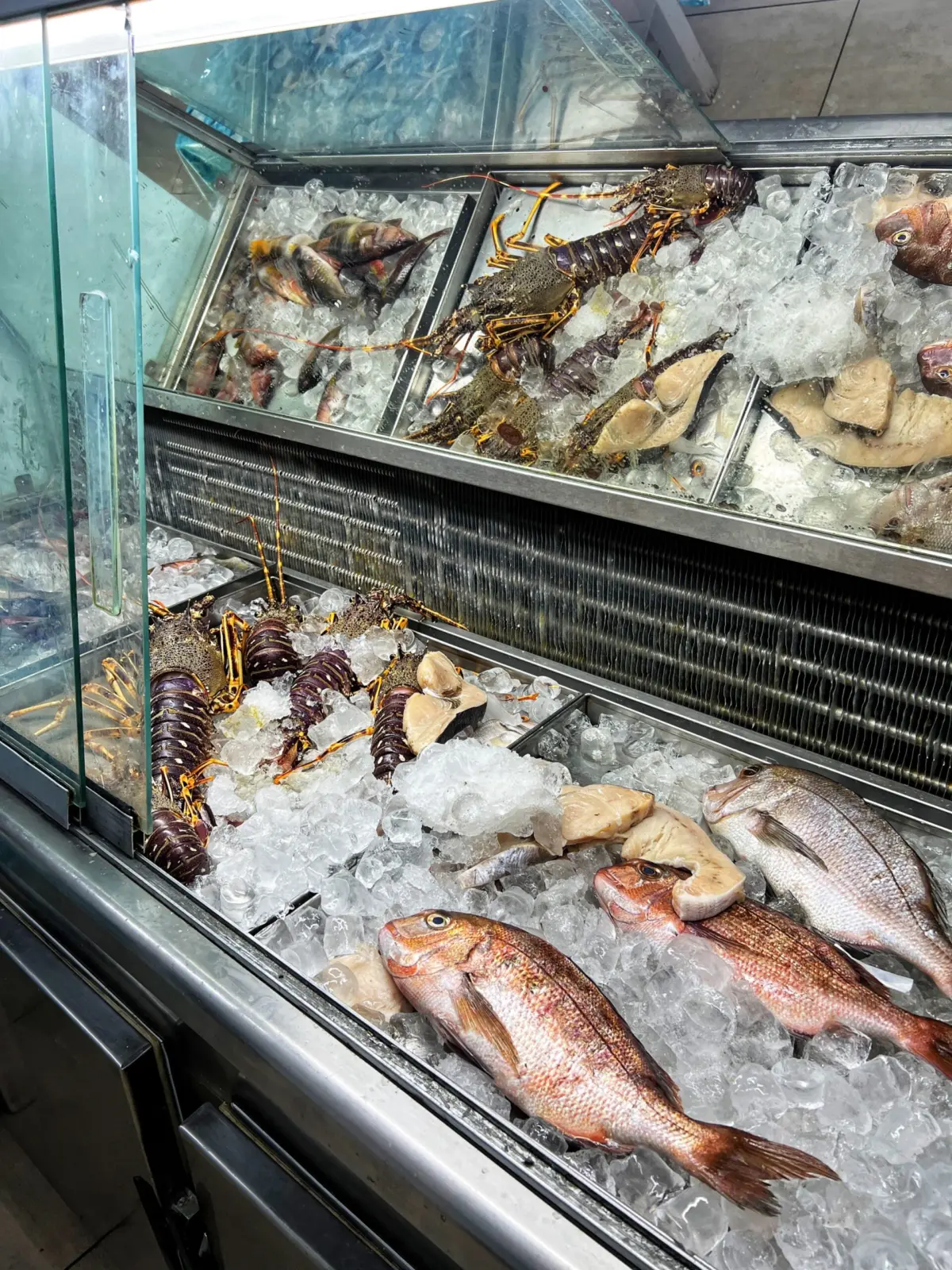
The centerpiece of a meal here is revithada, the soul-soothing Sifnian specialty of chickpeas stewed in olive oil with onions and herbs. This dish is the cornerstone of Sifnian identity. Traditionally, families prepare their revithada pots on Saturday and bring them to a communal wood-fired oven to cook overnight for the Sunday meal. At Ammoudia, this tradition is accessible throughout the week. For seafood, diners are invited to the fresh catch case to select their own fish, which is typically weighed and then grilled over charcoal with nothing more than lemon and local olive oil.

The culinary narrative of Sifnos is incomplete without mentioning Chef Giorgos Samoilis. At his restaurant, Cantina, Samoilis has pioneered a zero-waste approach that is deeply integrated into the island’s network of farmers and fishermen. Despite his status as a local legend, the experience at Cantina is devoid of pretension.