In the meantime, she suggests looking back to classical models of education for inspiration. When Socrates engaged in his famous dialogues with his interlocutors, the goal was the pursuit of truth and the refinement of thought through verbal exchange. Crucially, his students were not required to produce a follow-up paper in MLA format to prove they had learned something. The dialogue itself was the evidence of learning.
If the English essay is to be saved from the encroaching influence of AI, Professor Rounds believes the first step is a radical admission: vivid, logical writing does not inherently need to be about literature, and reading literature does not need to be accompanied by a "writing tax." This "writing tax"—the idea that every encounter with a book must result in a formal essay—often serves to alienate students from the very texts they are supposed to be enjoying.
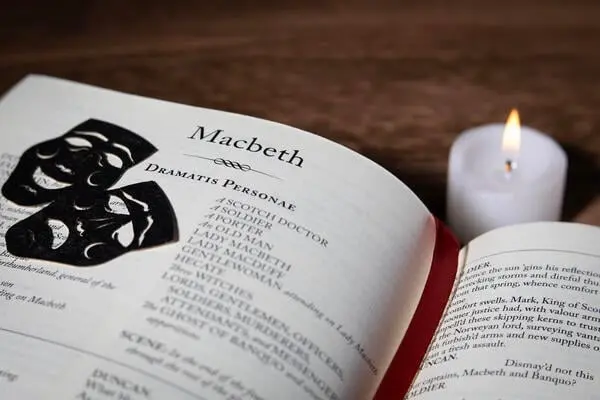
The solution may lie in a more honest and specialized approach to curriculum design. If the goal is for young people to learn the craft of the essay, the course should simply be called "Writing Essays." If the goal is for students to understand the cultural and historical significance of Shakespeare—to know, for instance, the source of the phrase "Out, damned spot"—there is more than enough material to fill a rigorous semester without requiring pages of essays by the final week. There are numerous ways to teach Shakespeare with depth and academic integrity that do not rely on the traditional term paper.
For those students who do wish to write sophisticated essays about literary texts, Professor Rounds argues that we must admit this requires a "sustained environment"—a level of focus and time that perhaps not every college can offer, and not every student necessarily wants to inhabit. To continue the current model of cramming intensive reading and intensive writing into every semester-limited course is, in her view, a lie. Labeling this hurried, overburdened approach as "humanity" does not make it so.
By acknowledging the distinct nature of these skills, English departments may find a way to thrive in the age of AI. Rather than fighting a losing battle against "delving" bots, educators could focus on creating spaces where students can appreciate literature for its own sake and learn to write with clarity and purpose, without one becoming a burdensome tax upon the other. The future of the humanities may depend not on doubling down on traditional requirements, but on the courage to separate them.