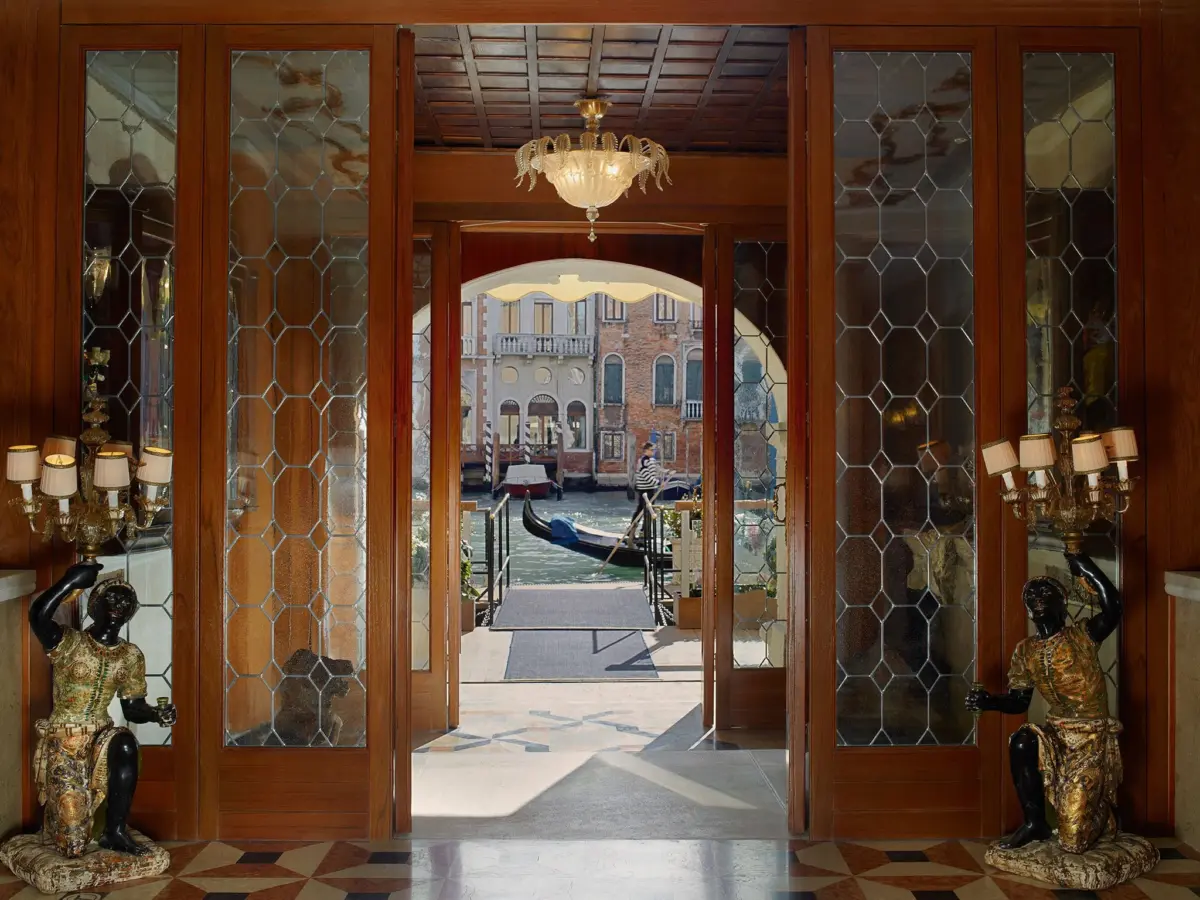
Venice remains a destination that defies the conventional boundaries of time and geography. Often referred to as "La Serenissima," the City of Water exists as a realm where the fluid limits of its canals curtail the extent to which modernity can seep into its historic fabric. To stay in Venice is to participate in a dreamlike experience, one where the rhythmic pace of the water dictates the flow of daily life. For those seeking a truly transportive escape, selecting the right hotel is not merely a matter of luxury, but a choice of how one wishes to interface with a city that is as magically cinematic as it is complex.
The city’s unique architecture—a labyrinth of islands crossed by 150 canals and connected by more than 400 bridges—preserves a cadence that feels distinctly of another era. While this otherworldly atmosphere is the very thing that lures over 20 million visitors to its shores each year, it also presents a challenge. Venice can, at times, feel crushingly overrun, particularly during the peak of the tourist season. However, for the discerning traveler, the city reveals its true character in the quietude of the evening and the early morning, or within the secluded courtyards of its most storied hotels.
The Nocturnal Serenity of La Serenissima
At night, Venice undergoes a profound transformation. The daytime clamor of the crowds fades, and the city becomes its most tender and serene. It begins to croon a much softer tune, characterized by the gentle sound of water lapping against the stone canal banks. This is underscored by the fleeting, muffled hums of vaporetti—the city’s iconic water buses—and the rhythmic echo of footsteps and low murmurs through the narrow calli, or alleyways.
For those staying near a canal, the morning brings its own specific sensory experience. One might awaken to the rhythmic thud of packages being unloaded as delivery boats begin their rounds, serving as a reminder that this is a living, working city despite its museum-like beauty. In the context of Venice, even these utilitarian sounds can feel soothing, anchoring the visitor in a reality that has remained largely unchanged for centuries. Finding the right place to sleep during these nights is essential to capturing the essence of the Venetian experience.
Navigating the Sestieri: Choosing the Right Neighborhood
Venice is divided into six sestieri, or central districts, each offering a distinct atmosphere and perspective on the city. Understanding these districts is the first step in choosing an accommodation that aligns with a traveler’s expectations, whether they seek the heart of the action or a quiet reprieve from the bustle.
Many of the city’s most prestigious hotels are located in San Marco, the most popular and central of the districts. As the home to Venice’s most iconic attractions—including Saint Mark’s Basilica, the Doge’s Palace, and the legendary Bridge of Sighs—San Marco is the undeniable heartbeat of the city. While its central location offers unparalleled access to history and culture, it is also the busiest part of Venice, often teeming with day-trippers and tour groups.
However, even within the central cluster of islands, there are opportunities to find a more nuanced experience. The Venice Venice Hotel, for instance, sits at a strategic crossroads. While it is centrally located, it is perched at the edge of the Cannaregio district, specifically where the Rio dei Santi Apostoli flows into the Grand Canal. This location allows guests to experience the grandeur of the center while remaining just a bridge-crossing away from a different side of Venice. By moving toward Cannaregio, travelers often find themselves walking against the tide of the crowds, entering a part of the city that is lively yet significantly calmer.
Finding Quietude in Dorsoduro and the Arsenale
For those who prioritize a stay away from the densest crowds, the district of Dorsoduro offers a compelling alternative. Located across the Accademia Bridge from San Marco, Dorsoduro is known for its residential feel and its burgeoning reputation as a culinary hub. One of the standout accommodations in this area is Il Palazzo Experimental, situated at the eastern end of Le Zattere. This long, scenic promenade faces the Giudecca Canal and is a favorite spot for locals to walk and dine. Staying here allows visitors to feel integrated into the actual life of the city, surrounded by art galleries, small boutiques, and authentic Venetian restaurants.
Another option for those seeking a reprieve from the tourist centers is the area surrounding the Arsenale. The Ca’ di Dio hotel is situated on a scenic stretch of the promenade near the entrance to the Arsenale, which serves as the central hub for the Venice Biennale. This location is particularly advantageous for art enthusiasts, as it is just a short walk from the Biennale gardens. The area maintains a sense of space and openness that can be rare in the more cramped parts of the city, providing a breath of fresh air along the waterfront.
The Seclusion of the Outer Islands
For a genuine escape from the pressures of overtourism, the outer islands of the Venetian Lagoon offer a level of seclusion and luxury that is difficult to match within the main city center. These islands provide a "resort" feel while remaining only a short boat ride away from the historic heart of Venice.
Giudecca, sitting directly across the Giudecca Canal from the historic center, is home to the Hotel Cipriani, A Belmond Hotel. This property is legendary for its gardens and its sense of old-world glamour, offering a vantage point that looks back at the skyline of Venice from a peaceful distance. Further out into the lagoon, on the private Isola delle Rose, the JW Marriott Venice Resort & Spa offers a self-contained luxury escape. With its own expansive grounds and spa facilities, it provides a sanctuary where the bustle of the city feels like a world away.
For a more intimate and colorful experience, the island of Burano—famous for its lace-making tradition and brightly painted houses—offers boutique charm at Casa Burano. Staying on an island like Burano allows travelers to experience the lagoon’s unique ecosystem and the slower pace of island life, which becomes even more pronounced once the last tour boats depart for the day.
FAQ: Essential Considerations for a Venetian Stay
What is the best area in Venice to stay in?
The "best" area depends largely on what a traveler hopes to gain from their visit. San Marco is ideal for those who want to be steps away from major landmarks, but it requires a tolerance for large crowds. Cannaregio offers a more authentic, local atmosphere while still being accessible to the center. Dorsoduro is perfect for those who enjoy a residential feel and a vibrant dining scene. For those who want to escape the crowds entirely, the outer islands like Giudecca, Isola delle Rose, or Burano provide a more secluded and tranquil environment.
How we choose the best hotels in Venice:
The selection of hotels in Venice is a curated process that prioritizes authenticity and an "insider" experience. Journalists who are intimately familiar with the destination visit these properties to evaluate them across several key metrics. While price points vary, the focus remains on design, location, service, and sustainability credentials. The goal is to recommend hotels that do not just provide a bed for the night, but enhance the overall understanding and enjoyment of Venice’s unique landscape.
The Enduring Magic of the City of Water
Choosing to stay in Venice is an investment in an experience that is increasingly rare in the modern world. It is a city that requires patience and a willingness to get lost in its labyrinthine streets. Whether one chooses the historic grandeur of a palazzo on the Grand Canal or the quiet modernism of a boutique hotel in Dorsoduro, the city leaves an indelible mark on those who visit.
By understanding the layout of the sestieri and the rhythms of the city’s canals, travelers can navigate the challenges of overtourism and find the Venice that exists behind the postcards—a city of soft light, lapping water, and a serenity that can only be found in a place where the modern world is kept at bay by the tide. As Venice continues to adapt to the pressures of the 21st century, its hotels remain the gatekeepers to an older, more graceful way of life, offering a sanctuary for those who wish to truly immerse themselves in the dreamlike reality of La Serenissima.