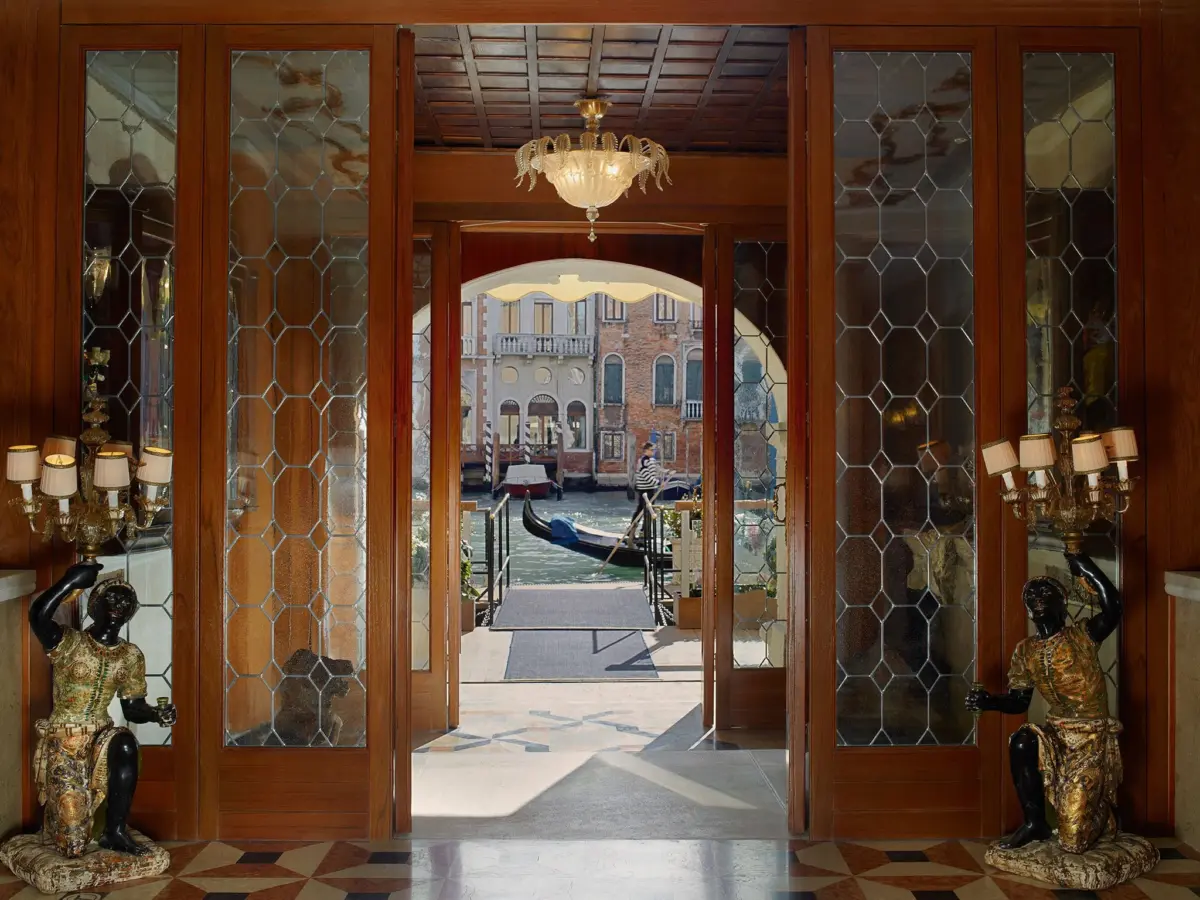
For a more intimate and colorful experience, the island of Burano—famous for its lace-making tradition and brightly painted houses—offers boutique charm at Casa Burano. Staying on an island like Burano allows travelers to experience the lagoon’s unique ecosystem and the slower pace of island life, which becomes even more pronounced once the last tour boats depart for the day.
FAQ: Essential Considerations for a Venetian Stay
What is the best area in Venice to stay in?
The "best" area depends largely on what a traveler hopes to gain from their visit. San Marco is ideal for those who want to be steps away from major landmarks, but it requires a tolerance for large crowds. Cannaregio offers a more authentic, local atmosphere while still being accessible to the center. Dorsoduro is perfect for those who enjoy a residential feel and a vibrant dining scene. For those who want to escape the crowds entirely, the outer islands like Giudecca, Isola delle Rose, or Burano provide a more secluded and tranquil environment.
How we choose the best hotels in Venice:
The selection of hotels in Venice is a curated process that prioritizes authenticity and an "insider" experience. Journalists who are intimately familiar with the destination visit these properties to evaluate them across several key metrics. While price points vary, the focus remains on design, location, service, and sustainability credentials. The goal is to recommend hotels that do not just provide a bed for the night, but enhance the overall understanding and enjoyment of Venice’s unique landscape.
The Enduring Magic of the City of Water
Choosing to stay in Venice is an investment in an experience that is increasingly rare in the modern world. It is a city that requires patience and a willingness to get lost in its labyrinthine streets. Whether one chooses the historic grandeur of a palazzo on the Grand Canal or the quiet modernism of a boutique hotel in Dorsoduro, the city leaves an indelible mark on those who visit.
By understanding the layout of the sestieri and the rhythms of the city’s canals, travelers can navigate the challenges of overtourism and find the Venice that exists behind the postcards—a city of soft light, lapping water, and a serenity that can only be found in a place where the modern world is kept at bay by the tide. As Venice continues to adapt to the pressures of the 21st century, its hotels remain the gatekeepers to an older, more graceful way of life, offering a sanctuary for those who wish to truly immerse themselves in the dreamlike reality of La Serenissima.