These examples highlight a fundamental shift in how scientific discovery occurs in the 21st century. While traditional expeditions and laboratory research remain the backbone of science, the "accidental" contribution of photographers—be they hobbyists or professionals—is becoming increasingly vital. A photograph is more than just a visual record; it is a data point containing geographical, temporal, and morphological information that can trigger a chain reaction of scientific inquiry.
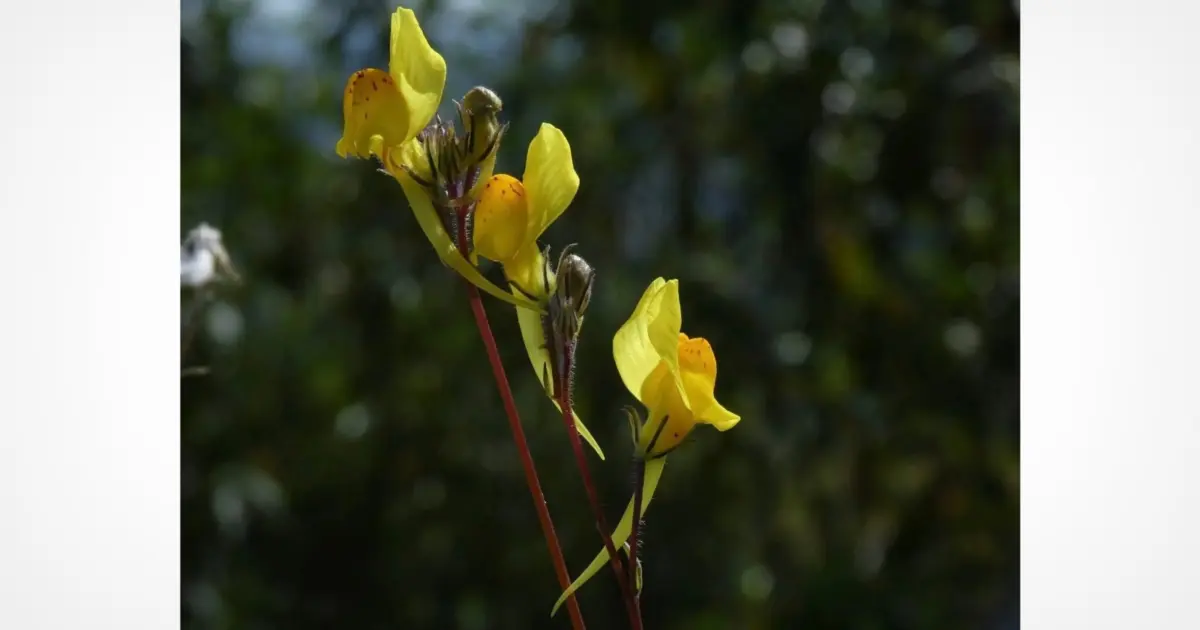
As for the Linaria alfercensis, its journey from an anonymous upload on iNaturalist to a recognized scientific discovery is a reminder of how much of the natural world remains to be explored. Even in a country as well-studied as Portugal, and in a region as frequently visited as the Algarve, there are still secrets tucked away in the hills. The discovery underscores the importance of preserving wild spaces, no matter how small or seemingly insignificant they may appear.
The researchers involved in the study emphasize that the naming of the plant and its publication in scientific journals is only the beginning. The focus must now shift toward long-term monitoring and genetic study to understand how this species evolved in isolation and what role it plays in the broader ecology of the Monchique mountains. For João Farminhão and his colleagues, the goal is to ensure that the Alferce ansarina does not become a mere footnote in botanical history—a species discovered and lost in the same decade.
The legacy of the German tourist’s photograph serves as a call to action for all travelers and nature lovers. It demonstrates that the simple act of stopping to admire a flower and sharing its image with the world can have a profound impact on our understanding of life on Earth. In an era of rapid environmental change and biodiversity loss, the watchful eyes of the public, armed with cameras, may be one of the most effective tools we have for cataloging and protecting the natural wonders that remain.