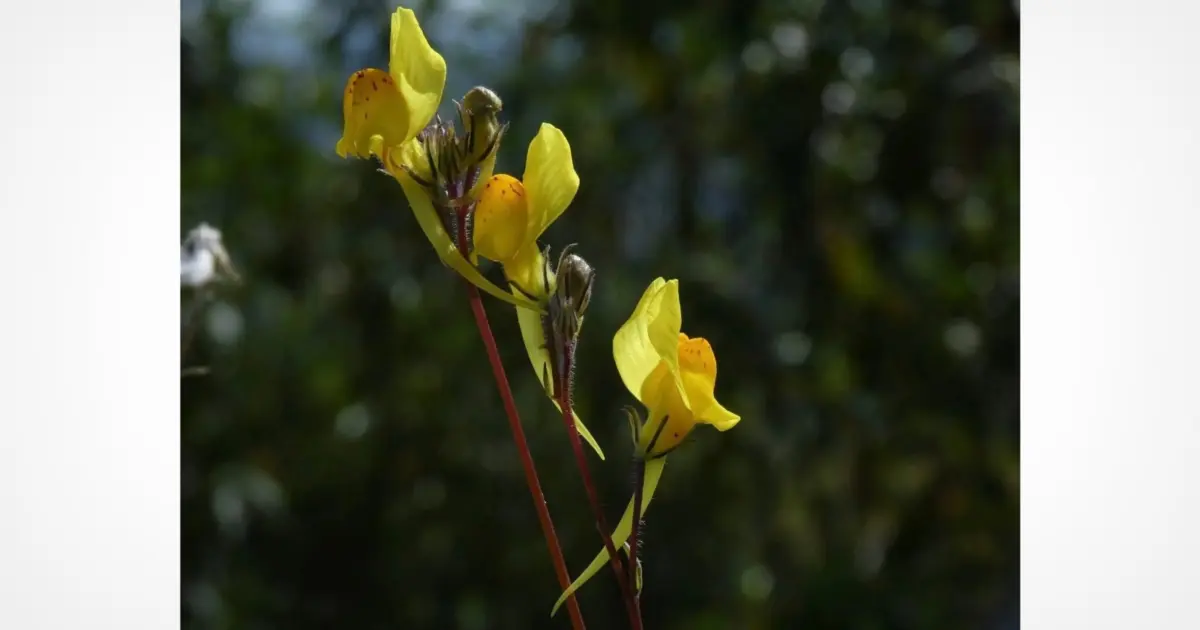
One of the primary threats identified by the researchers is the prevalence of industrial eucalyptus plantations. While eucalyptus is a major economic crop in Portugal, it is an exotic species that can significantly alter local ecosystems, depleting soil nutrients and outcompeting native flora. Additionally, the area is plagued by the invasive mimosa acacia, another non-native plant that spreads aggressively and displaces indigenous species. Perhaps most pressing is the recurring threat of wildfires, which have historically devastated the Monchique mountain range. For a species with a population numbering in the dozens, a single high-intensity fire could potentially result in its total extinction before it is even fully understood by science.
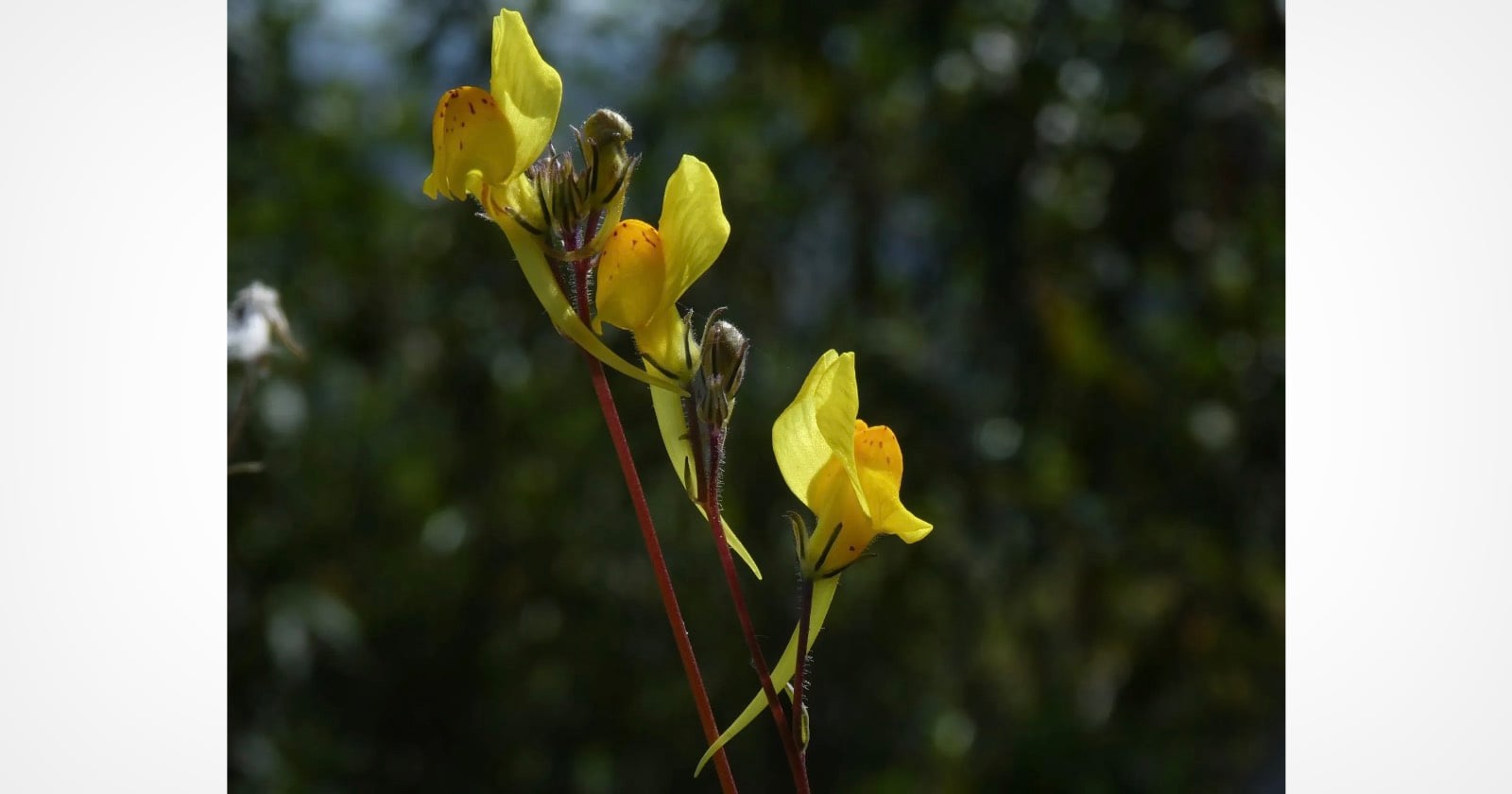
In response to these findings, Portuguese officials have already begun to implement conservation measures. Efforts are being concentrated at the specific site where the plant was discovered to manage invasive species and protect the local habitat from further degradation. The hope is that by securing this small pocket of biodiversity, Linaria alfercensis can be preserved for future generations and further study.
The discovery of the Alferce ansarina is not an isolated incident but part of a growing trend where photography acts as a bridge between the general public and the scientific community. The rise of high-quality smartphone cameras and accessible digital platforms has turned millions of people into potential field observers. This democratization of data collection allows scientists to monitor vast areas of the planet that they could never hope to cover on their own. In this instance, a tourist’s casual curiosity provided the "missing link" that led a professional botanist to a breakthrough that might have otherwise remained hidden for decades.
This phenomenon has been mirrored in other branches of natural science recently. Earlier this year, the world of ornithology was stunned when two nature photographers captured images of a Rusty Lark in Africa’s Sahel region. The small, unassuming bird had not been seen or documented for 94 years and was widely feared to be extinct. The photographs provided the first definitive proof of the species’ continued existence in nearly a century, offering a glimmer of hope for its conservation. Similarly, in the field of marine biology, photographers documenting humpback whales recently captured the first-ever images of the species engaging in sexual intercourse. The photographs were not only a biological first but also revealed that the encounter was between two males, providing researchers with unprecedented insights into the social and reproductive behaviors of these marine giants.