The security situation in the region has been further complicated by military developments on the opposite side of the Arabian Peninsula, where the conflict has spilled over into the Red Sea. Yemen’s Houthi movement, which is closely allied with Iran, has intensified its military campaign in recent weeks, launching targeted attacks on Saudi Arabian oil installations. These attacks are aimed at disrupting Saudi oil exports through the Red Sea, effectively creating a secondary front in the maritime economic war.
The threat to global shipping routes became even more acute this month when Houthi forces seized control of strategic stretches of Yemen’s Red Sea coast. Among the areas captured by the group is the port of Mokha, a highly strategic location that directly overlooks the Bab al-Mandab Strait. The Bab al-Mandab Strait serves as another critical chokepoint for global maritime trade, connecting the Red Sea to the Gulf of Aden and the Suez Canal. By establishing a military presence at this key bottleneck, the Iran-aligned Houthi forces have significantly increased their leverage over international shipping lanes, exacerbating the pressure on the global energy supply chain.
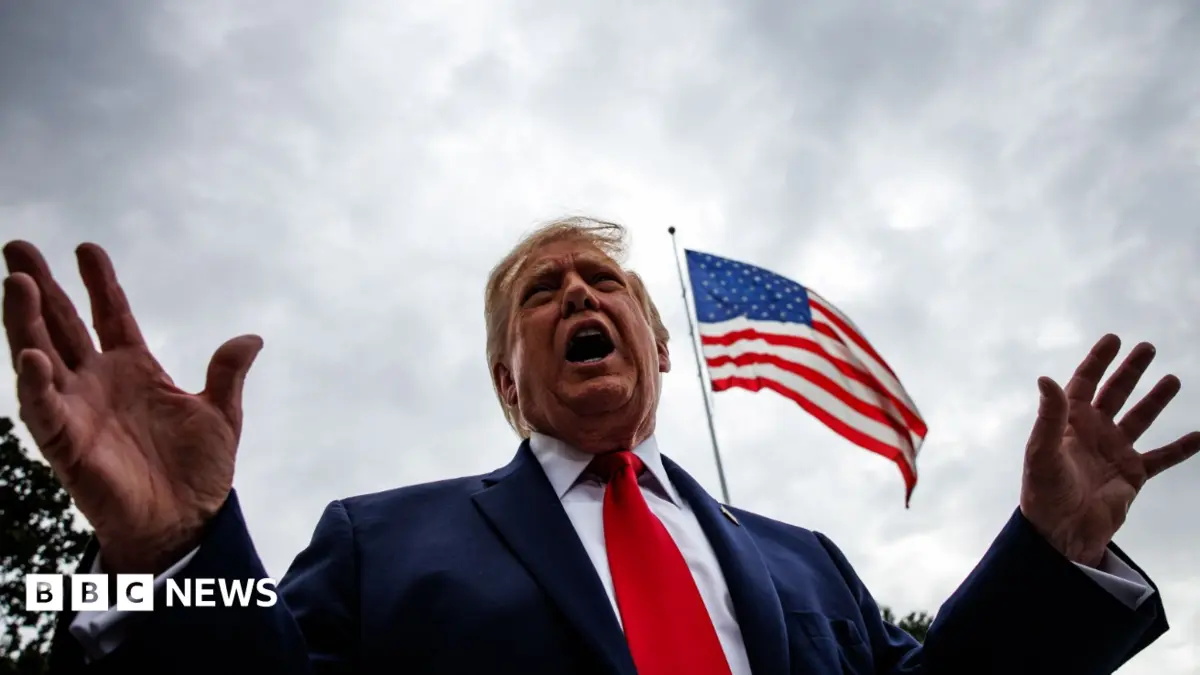
The compounding economic fallout from the dual maritime crises has intensified the domestic political pressure on President Trump. The wild fluctuations in energy prices and the broader economic disruptions caused by the blockades have become central issues as the United States moves closer to the critical Congressional elections in November. The administration is facing growing demands to find a viable resolution to the conflict and restore stability to global energy markets before voters head to the polls.
Despite these domestic political considerations, the Trump administration appears highly skeptical of Iran’s diplomatic intentions and is reportedly preparing for a potential escalation of hostilities. According to a report published by the Wall Street Journal, which cited unnamed officials, President Trump remains deeply doubtful that Iran has any genuine intention of meeting his administration’s core demands. The report indicated that the president has already told his staff that he views a renewed and intensified bombing campaign against Iranian targets as a highly probable outcome. According to these officials, Trump expects that any such military escalation would likely take place after the November midterm elections have concluded, suggesting that the current diplomatic stalemate is likely to persist through the coming weeks as both sides brace for a potential return to wider military conflict.