Next Step: A Human Organoid
While the mouse-tissue model has provided groundbreaking insights, it serves as a stepping stone toward a more ambitious goal: the creation of a human olfactory organoid. Such a model would represent a "holy grail" for pharmacological research in this field, allowing scientists to screen potential drugs and therapies on living human tissue without the ethical and logistical complications of full-scale human trials.
The advantages of organoids over traditional research methods are substantial. Currently, many researchers rely on whole animal models, which may not perfectly replicate human biology, or existing human cell cultures, which are often two-dimensional and fail to capture the complex architecture of real organs. Organoids bridge this gap, offering a "mini-organ" that functions much like the real thing. They have already revolutionized the study of the lungs, kidneys, and brain, but the human olfactory system has remained a challenge.
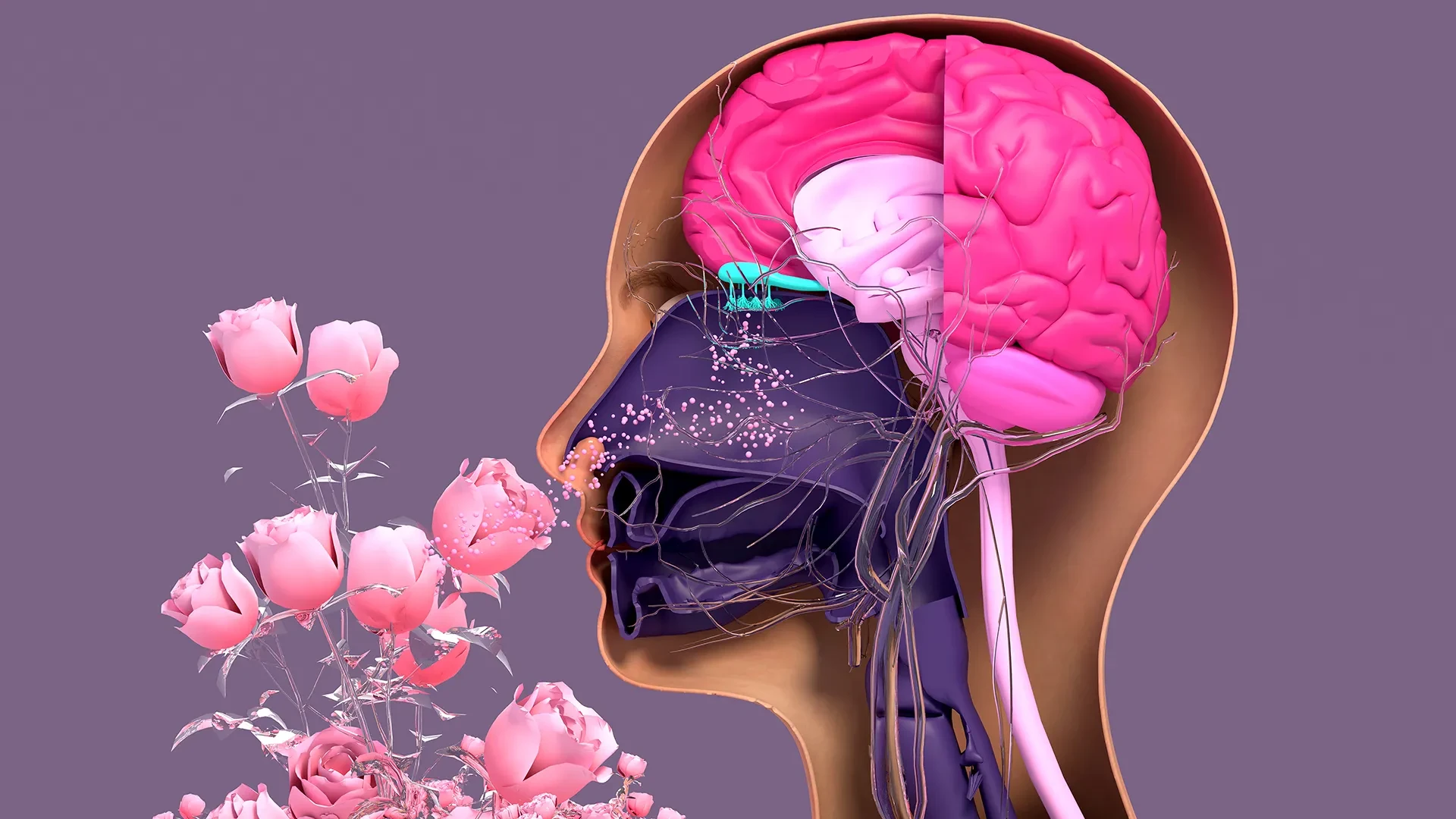
The primary obstacle to creating a human olfactory organoid is the difficulty of obtaining pure tissue samples. As Lin explains, the process of collecting these cells from a living person is invasive and technically difficult. It involves anesthetizing the individual and using a specialized brush—similar to the long swabs used in COVID-19 testing—to reach deep into the uppermost reaches of the nasal cavity.
Even when successful, this collection process yields a mixture of different cell types. In the nose, respiratory stem cells (responsible for the lining that produces mucus) and olfactory stem cells (responsible for smell) live in close proximity. Unlike the mouse model, where these populations can be separated with relative ease, human samples are often a tangled mix that is difficult to sort.
The Tufts research team is now shifting its focus toward overcoming this hurdle. Their next challenge involves developing a simple, cost-effective technique to separate human olfactory stem cells from their respiratory counterparts. Once isolated, the goal is to "coax" these cells to grow and organize into 3D structures in the lab.
If successful, these human organoids could provide the first reliable platform for testing treatments for anosmia. Whether the cause is a viral infection, a neurodegenerative condition like Parkinson’s disease—where smell loss is often an early warning sign—or simply the passage of time, the ability to observe human nasal regeneration in a dish could lead to the first effective clinical interventions for a sense that is too often taken for granted until it is gone.