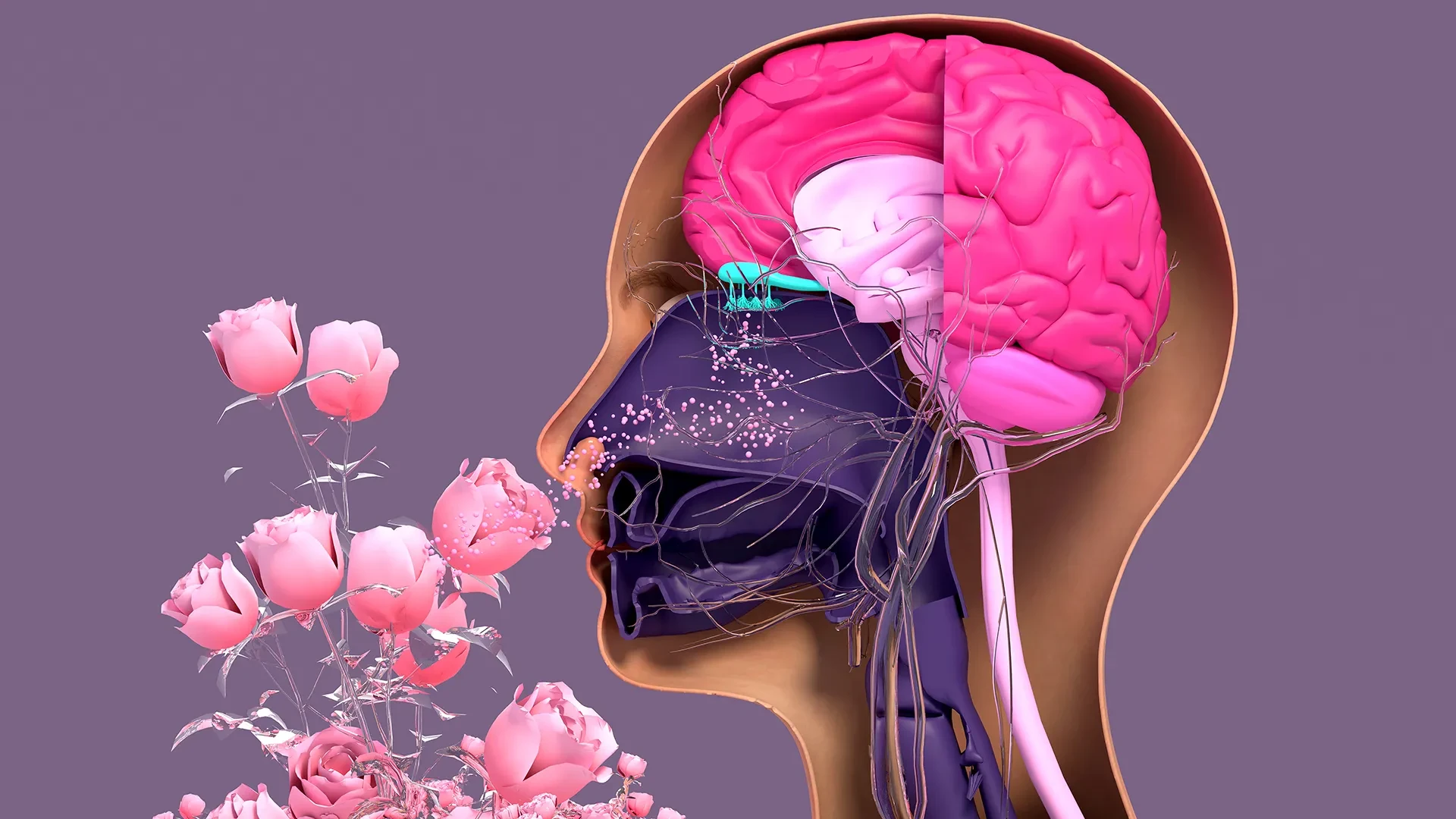
In a significant advancement for the field of sensory biology, researchers at Tufts University School of Medicine and the Graduate School of Biomedical Sciences (GSBS), along with an international team of colleagues, have unveiled a sophisticated three-dimensional model designed to study the complex regeneration of nerve tissue within the human nose. The study, which utilizes this newly devised "organoid" system, has led to a surprising discovery regarding the cellular architecture of our olfactory system: a type of stem cell long dismissed as largely dormant may actually be a primary driver in maintaining our ability to smell.
The findings, published in the journal Cell Reports Methods, offer a fresh perspective on how the body repairs itself after injury or illness and why these regenerative powers often fail as we age. By providing a more accessible and accurate way to observe the birth of new neurons, the research team hopes to pave the way for future treatments for millions of people suffering from olfactory dysfunction—a condition that has gained global attention in the wake of the COVID-19 pandemic.
The Unique Resilience of the Olfactory System
Unlike the majority of cells found within the central nervous system, which are notoriously difficult to repair or replace once damaged, the sensory neurons located in the nasal cavity possess a remarkable, lifelong capacity for regeneration. These neurons are uniquely positioned; they are the only part of the nervous system directly exposed to the external environment. Every breath we take introduces a barrage of potential threats, including viral pathogens, environmental toxins, pollutants, and physical irritants.
To survive this constant environmental assault, the body has evolved a highly efficient system for "recycling" and replacing these neurons. However, this process is not infallible. Significant viral infections, such as COVID-19 or the flu, prolonged exposure to industrial chemicals, and the natural biological wear and tear of aging can all disrupt this delicate cycle. When the ability of these cells to replicate is diminished or halted, the result is hyposmia (a partial loss of smell) or anosmia (a complete loss of smell).
Understanding why this process succeeds in some scenarios and fails in others has been a primary challenge for scientists. To address this, the Tufts team sought to create a laboratory model that could mimic the complex environment of the nasal cavity more effectively than traditional two-dimensional cell cultures.
The Role of Horizontal Basal Cells: From Dormancy to Action
At the heart of the team’s research is a deep dive into the two primary types of stem cells found in the olfactory epithelium: horizontal basal cells (HBCs) and globose basal cells (GBCs). Historically, the scientific community has viewed GBCs as the primary workhorses of the nose—the active, rapidly dividing cells responsible for the day-to-day replacement of sensory neurons. In contrast, HBCs were largely characterized as "reserve" cells—dormant entities that only sprung into action under conditions of extreme tissue trauma.
However, the new 3D mouse model developed at Tufts has challenged this long-standing hierarchy. The researchers discovered that these two cell types are far more interdependent than previously understood.
"Our research suggests that these two stem cells may be interdependent," explained Brian Lin, the study’s senior author and a research assistant professor in the Department of Developmental, Molecular and Chemical Biology at Tufts. "One type that we thought was largely dormant—HBCs—may actually play a crucial role in supporting the production of new neurons and the repair of damaged tissue."