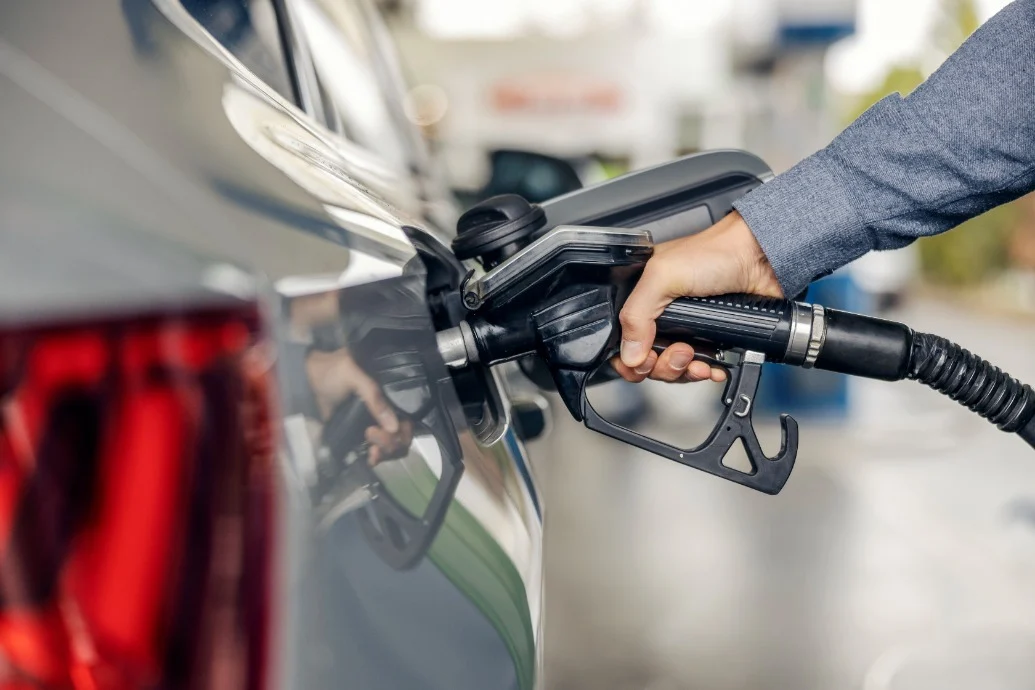
The cost of diesel in the United Kingdom has officially crossed a historic and psychologically significant threshold, with prices at the pump now surpassing £2 per litre. This milestone, confirmed by the latest market data from the RAC, marks a sobering moment for the British economy and underscores the intensifying pressure on both commercial transport sectors and private motorists. For the first time in history, the average price of diesel has entered territory that many analysts once considered an extreme outlier scenario, sparking widespread concern over the long-term viability of current fuel costs and their cascading effect on the wider cost of living.
According to the RAC, the breach of the £2 mark follows a period of sustained upward momentum in global oil markets, which has been exacerbated by a series of compounding international crises. Market analysts and fuel forecasters are warning that this figure is not a peak, but rather a new baseline that is likely to rise even further in the coming months. The primary catalyst for this pessimistic outlook remains the ongoing and volatile conflicts in the Middle East, which have placed immense strain on global crude supplies and the intricate logistics of refined fuel distribution. As one of the world’s most critical energy-producing regions remains mired in instability, the risk premium on oil continues to climb, leaving the UK particularly vulnerable to shifts in international market sentiment.
The trajectory of this price hike becomes even more stark when viewed through a historical lens. By the conclusion of September, data indicated that the price of diesel had already reached a record-breaking 199.18p per litre. This figure represented a near-doubling of the average price recorded just a decade ago in February 2016. Such a rapid escalation in fuel costs—outpacing many other sectors of the economy—highlights the volatility that has come to define the UK’s energy landscape over the last ten years. For haulage companies and logistics firms, which operate on thin margins and rely heavily on diesel to move goods across the country, the doubling of their primary overhead in a single decade has created an operational environment fraught with financial peril.
The domestic situation has been further complicated by political developments across the Atlantic. Donald Trump has sparked a wave of anxiety throughout Europe and the United Kingdom following recent threats to curtail or entirely cut off the United States’ supply of diesel to the continent. This rhetoric has hit home with particular force in the UK, which currently sources approximately 30% of its total diesel stock from the US. The prospect of losing nearly a third of the nation’s supply has sent shivers through the energy sector, raising fundamental questions about the UK’s energy independence and the fragility of its transatlantic trade links. Should these threats materialize, the resulting supply vacuum would likely force the UK to compete even more aggressively on the global spot market, potentially driving prices to even more unsustainable levels.
Despite the growing sense of unease and the clear evidence of rising costs at the pump, the government has maintained a stance of cautious reassurance. Transport Minister Keir Mather has sought to downplay fears of an imminent physical shortage of fuel, insisting that the UK remains well-positioned to weather the current storm. Mather has emphasized that the nation possesses a wide and diverse range of supply sources, suggesting that the infrastructure is robust enough to prevent the kind of "dry pumps" seen during previous fuel crises. According to the Minister, the challenge is currently one of price and global market pressure rather than a lack of physical product within the UK’s borders.
However, this official optimism is not shared by all stakeholders. Howard Cox, the Founder of FairFuelUK and a prominent advocate for motorists and the transport industry, believes the situation is far more dire than the government is willing to acknowledge. Cox has been vocal in his criticism of the current administration’s handling of the crisis, calling for immediate and decisive intervention to prevent a total economic breakdown. He warned that the country is now "perilously close to a full-blown economic fuel crisis," suggesting that the government’s refusal to act more aggressively could have catastrophic consequences for the nation’s infrastructure.
A primary point of contention for Cox and other industry experts is the state of the UK’s strategic reserves. While other European nations have maintained significant stockpiles of refined diesel to act as a buffer against global shocks, Britain’s reserves are reportedly among the lowest in Europe. This lack of a domestic safety net means that any further tightening of global supply is felt almost instantly at British filling stations. Cox argued that if supply lines tighten again—whether due to Middle Eastern conflict or a shift in US export policy—the impact on essential sectors will be devastating. He pointed specifically to the plight of hauliers, who are the backbone of the supply chain, farmers, who require diesel for food production, and ordinary families who are already struggling under the weight of historic inflation.
The potential for a "devastating" outcome is not merely hyperbole for those in the agricultural and transport sectors. In the farming industry, diesel is not a luxury but a fundamental requirement for the operation of machinery and the distribution of produce. A sustained price above £2 per litre threatens to push food prices even higher, as farmers are forced to pass on their increased input costs to retailers and, eventually, consumers. Similarly, the haulage industry, which accounts for the movement of the vast majority of goods in the UK, is facing a crisis of affordability. Many smaller firms may find themselves unable to absorb these costs, leading to potential business failures and further disruptions to the national supply chain.
In response to the mounting pressure and the specific concerns regarding low reserves, the UK government has begun engaging in high-level discussions with its European allies. These talks are focused on the potential coordinated release of emergency diesel stockpiles. By working in tandem with European partners, the UK hopes to inject enough supply into the market to stabilize prices or, at the very least, provide a temporary reprieve from the constant upward pressure. These diplomatic efforts highlight the reality that the fuel crisis is a cross-border issue that requires a collective response, yet they also serve as a reminder of the UK’s current reliance on external cooperation to manage its internal energy security.
As the winter months approach, the intersection of geopolitical tension, transatlantic trade uncertainty, and low domestic reserves has created a perfect storm for the UK energy market. While the government remains confident in the diversity of its supply chains, the reality for the average consumer is a record-breaking bill every time they visit the petrol station. With forecasts suggesting that the £2 per litre mark may soon be left in the rear-view mirror as prices continue to climb, the pressure on the Treasury to provide some form of relief—whether through fuel duty cuts or other fiscal measures—is reaching a breaking point.
The coming weeks will be critical in determining whether the UK can navigate this period of extreme volatility without slipping into the "full-blown economic fuel crisis" that advocates like Howard Cox fear. For now, the focus remains on the international stage, where the decisions made in Washington and the ongoing developments in the Middle East will dictate the price of a litre of diesel on British high streets. As the nation watches the numbers on the pump continue to tick upward, the need for a long-term strategy to address the UK’s diesel dependency and reserve capacity has never been more apparent. The milestone of £2 per litre is more than just a record; it is a signal of the profound economic challenges that lie ahead in an increasingly unstable global energy market.