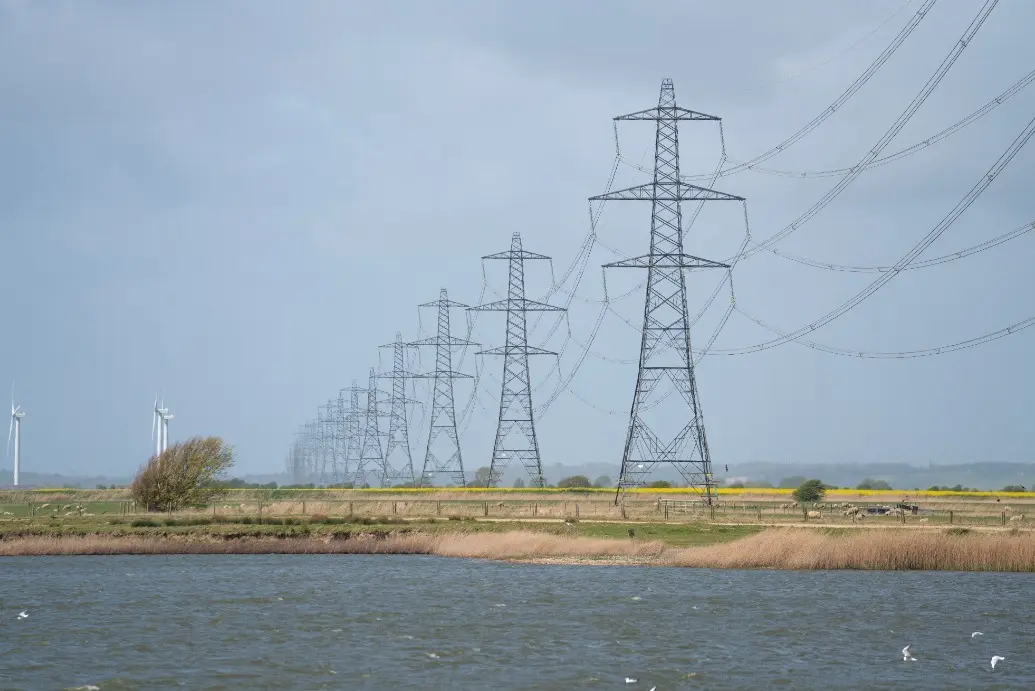
The group’s work involves a multifaceted approach. By looking at international models, the IDG hopes to learn from other nations that are also navigating the shift toward high-penetration renewable energy. Whether it is through the use of advanced battery storage, demand-side response programmes, or sophisticated digital twins of the network, the group is looking for proven mechanisms that can be adapted for the UK’s unique regulatory and geographical context.
Navigating the Complexity of a Decentralised Energy System
The shift toward a decentralised system is not merely a matter of choice but a necessity driven by the changing nature of energy generation. For decades, the UK’s electricity system was relatively straightforward: a small number of large, fossil-fuelled power plants generated electricity that was then transmitted across the country to consumers. Today, that model is being replaced by a much more complex reality.
Currently, the National Energy System Operator (NESO) holds the primary responsibility for balancing supply and demand on a national scale. NESO ensures that the frequency of the grid remains stable by constantly adjusting the output of generators or the consumption of large industrial users. However, as the volume of renewable generation grows, this task is becoming increasingly difficult. Wind and solar power are inherently variable; the wind does not always blow, and the sun does not always shine, leading to fluctuations that a national operator must manage in real-time.
Furthermore, these renewable sources are often connected to the distribution networks—the lower-voltage wires that deliver electricity to homes—rather than the high-voltage transmission system. This shift has created a "bottom-up" challenge for grid management. Distribution networks, which were originally designed to be passive conduits for power, must now become active managers of energy flows. This has led to the rise of the Distribution System Operator (DSO) model, where local networks take on a more prominent role in procuring flexibility and managing local constraints.
The increasing procurement of flexibility by both distribution and transmission networks has created a pressing need for enhanced coordination. Without a unified approach, there is a risk of conflicting signals being sent to the market, or of local actions inadvertently causing issues on the national grid. The work of the IDG is specifically designed to address this coordination gap, ensuring that local balancing and national requirements work in harmony rather than in competition.
The Role of the Strategic Innovation Fund and the Path to 2050