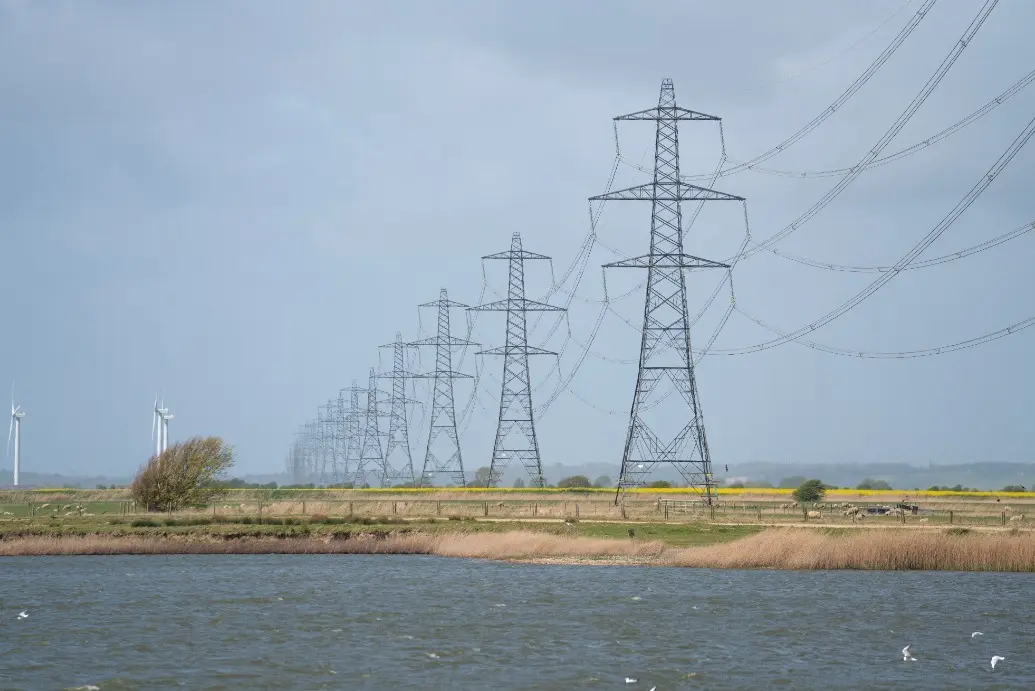
The future of the United Kingdom’s energy landscape is standing at a critical juncture as the nation grapples with the dual challenges of decarbonising its power supply and maintaining a stable, cost-effective grid. According to the latest findings from the Energy Networks Innovation Taskforce, the financial stakes of this transition are immense. The taskforce has estimated that a strategic shift toward localised system management and the highly optimised operation of existing energy assets could deliver as much as £36 billion in cumulative savings for the British economy by 2050.
This staggering figure underscores the economic imperative behind a new initiative currently under development: a comprehensive innovation charter. This charter is designed to serve as a strategic blueprint for the UK, exploring how the electricity system can be balanced in a more decentralised manner. As renewable generation continues to expand across the country—moving away from the large, centralised power stations of the past toward a fragmented landscape of wind farms, solar arrays, and domestic generation—the methods used to keep the lights on must undergo a fundamental evolution.
To spearhead this transition, a dedicated Innovation Delivery Group (IDG) has been established. This body is tasked with a rigorous mandate to examine international best practices, engage deeply with stakeholders across the energy industry, and assess the viability of various balancing mechanisms. The ultimate goal of the IDG is to develop a clear, actionable roadmap that will guide future innovation projects, ensuring that the UK remains at the global forefront of energy system management.
The Innovation Delivery Group and the Strategic Roadmap
The Innovation Delivery Group is being chaired by Cathy McClay, the Managing Director of Distribution System Operations (DSO) at National Grid Electricity Distribution. McClay brings a wealth of experience to the role, particularly in the realm of local voltage flexibility and the integration of new technologies into traditional network structures. Her leadership is seen as a vital link between the high-level strategic goals of the taskforce and the practical, technical realities of operating a modern distribution network.
McClay has expressed a strong belief that the evidence and insights generated by the IDG’s work will have a profound and positive impact on energy consumers. By identifying more efficient ways to manage the grid at a local level, the industry can reduce the need for expensive, large-scale infrastructure upgrades, ultimately lowering the costs that are passed on to households and businesses.
In discussing the group’s mission, McClay emphasised the importance of collaborative action across the sector. She noted that the group intends to work across the breadth of the industry to pinpoint exactly where local balancing can provide the most significant value. The IDG is not merely looking for theoretical improvements; it is searching for the keys to unlock new capacities within the network and the broader energy system. The focus, according to McClay, is on understanding these opportunities and, crucially, determining how to translate that understanding into tangible action and systemic change.
The group’s work involves a multifaceted approach. By looking at international models, the IDG hopes to learn from other nations that are also navigating the shift toward high-penetration renewable energy. Whether it is through the use of advanced battery storage, demand-side response programmes, or sophisticated digital twins of the network, the group is looking for proven mechanisms that can be adapted for the UK’s unique regulatory and geographical context.
Navigating the Complexity of a Decentralised Energy System
The shift toward a decentralised system is not merely a matter of choice but a necessity driven by the changing nature of energy generation. For decades, the UK’s electricity system was relatively straightforward: a small number of large, fossil-fuelled power plants generated electricity that was then transmitted across the country to consumers. Today, that model is being replaced by a much more complex reality.
Currently, the National Energy System Operator (NESO) holds the primary responsibility for balancing supply and demand on a national scale. NESO ensures that the frequency of the grid remains stable by constantly adjusting the output of generators or the consumption of large industrial users. However, as the volume of renewable generation grows, this task is becoming increasingly difficult. Wind and solar power are inherently variable; the wind does not always blow, and the sun does not always shine, leading to fluctuations that a national operator must manage in real-time.
Furthermore, these renewable sources are often connected to the distribution networks—the lower-voltage wires that deliver electricity to homes—rather than the high-voltage transmission system. This shift has created a "bottom-up" challenge for grid management. Distribution networks, which were originally designed to be passive conduits for power, must now become active managers of energy flows. This has led to the rise of the Distribution System Operator (DSO) model, where local networks take on a more prominent role in procuring flexibility and managing local constraints.
The increasing procurement of flexibility by both distribution and transmission networks has created a pressing need for enhanced coordination. Without a unified approach, there is a risk of conflicting signals being sent to the market, or of local actions inadvertently causing issues on the national grid. The work of the IDG is specifically designed to address this coordination gap, ensuring that local balancing and national requirements work in harmony rather than in competition.
The Role of the Strategic Innovation Fund and the Path to 2050
The development of the new innovation charter is not an isolated effort but part of a broader, state-backed push to modernise the UK’s energy infrastructure. The work is being funded through Ofgem’s Strategic Innovation Fund (SIF). The SIF is a dedicated mechanism designed to support projects that can accelerate the transition to net zero at the lowest cost to consumers. By providing the financial backing for the IDG, Ofgem is enabling the industry to take the risks necessary to develop and test new ways of operating the grid.
The IDG is one of five specialised innovation groups that have been established in direct response to the challenges identified by Ofgem and the Energy Networks Innovation Taskforce. Each of these groups focuses on a specific hurdle in the path toward a decarbonised future, ranging from heat decarbonisation to the integration of electric vehicles. Together, they represent a holistic attempt to rethink the UK’s energy architecture from the ground up.
The Energy Networks Innovation Taskforce has been instrumental in identifying the gaps in current knowledge and practice. Their assessment that £36 billion could be saved by 2050 through these optimised approaches provides a powerful financial justification for the current level of investment in innovation. These savings are expected to come from a variety of sources, including the avoidance of "reinforcement" costs—the expensive process of digging up roads to lay new cables—and the more efficient use of existing transformers and substations through digital monitoring and flexible demand.
The timeline for this work is ambitious. The completed innovation charter is scheduled for publication in January. This document is expected to provide the definitive roadmap for the industry, outlining the most cost-effective route to achieving a fully decarbonised energy system. It will likely serve as a cornerstone for future regulatory periods and investment cycles, providing a clear signal to technology developers, investors, and network operators about the direction of travel for the UK grid.
As the January deadline approaches, the IDG continues its intensive period of industry engagement. The group is seeking input from a wide array of stakeholders, including technology startups, established energy suppliers, and academic researchers. This inclusive approach is intended to ensure that the charter is grounded in technical reality and has the broad support necessary for successful implementation.
The stakes for the UK are high. If the IDG and the Energy Networks Innovation Taskforce are successful in their mission, the result will be an energy system that is not only cleaner but also more resilient and significantly cheaper to operate. In a world where energy security and affordability are increasingly at the forefront of the national conversation, the potential to save £36 billion while reaching net zero represents a significant opportunity for the country’s economic and environmental future. The upcoming charter will be the first major step in determining whether that potential can be fully realised.