In a significant move to bolster the transition toward sustainable energy across the African continent, more than £2 million in new investment from UK Government-backed initiatives has been officially allocated to expand clean energy alternatives. This strategic funding, delivered through a partnership with the renewables-focused organization ZE-Gen, is set to catalyze a shift away from traditional fossil fuel dependence in eight key nations: Nigeria, Uganda, Mozambique, Kenya, Madagascar, Lesotho, Tanzania, and Rwanda. The initiative marks a pivotal step in the broader international effort to provide reliable, low-carbon power to regions that have historically struggled with energy poverty and inconsistent grid infrastructure.
The financing is part of a broader commitment to climate action and international development, specifically supported by the UK government’s Ayrton Fund. This fund, which represents a major component of the UK’s Official Development Assistance, is channeled through the Transforming Energy Access (TEA) platform. By leveraging these resources, the programme aims to scale up innovative clean energy solutions that address the specific needs of diverse sectors, including healthcare, telecommunications, food production, small businesses, and community-level energy access. The overarching goal is to replace the ubiquitous diesel and petrol generators that currently power much of the commercial and essential service infrastructure in these countries with cleaner, more efficient technologies.
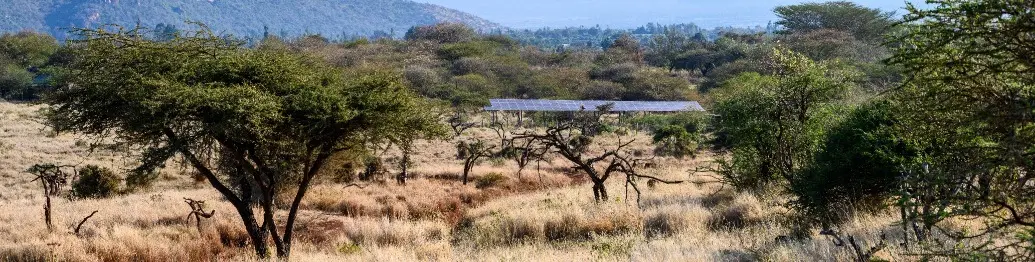
A total of ten distinct projects have been successfully deployed under this latest round of funding. These projects are not merely theoretical exercises but represent practical, ground-level interventions designed to have an immediate impact on the lives of millions. Among the highlights of the deployment are solar-powered food storage systems, which are critical for reducing post-harvest losses in the agricultural sector, and battery-powered telecommunications infrastructure that ensures connectivity even in the most remote areas. Furthermore, the investment has facilitated the installation of specialized clean energy systems for hospitals, where the availability of reliable power is often a matter of life and death.
The role of ZE-Gen, or Zero Emission Generators, is central to this initiative. As a specialized renewables company, ZE-Gen focuses on the urgent need to find viable alternatives to small-scale fossil fuel generators. In many parts of Sub-Saharan Africa, these generators are the backbone of the local economy, used by everyone from shopkeepers to hospital administrators to bridge the gap left by weak or non-existent national power grids. However, while they provide necessary electricity, they are also a significant source of local air pollution, noise, and greenhouse gas emissions. They are also subject to the volatility of global oil prices, which can place an immense financial burden on small enterprises and public services. By providing the financial and technical support needed to transition to renewable alternatives, the ZE-Gen partnership is addressing both environmental and economic challenges simultaneously.
The geographical scope of the investment is particularly noteworthy, covering a broad spectrum of the African continent’s economic and environmental landscapes. From the densely populated urban centers of Nigeria to the mountainous terrain of Lesotho and the island ecosystems of Madagascar, the challenges of energy access vary significantly. In Nigeria, for instance, the focus may often fall on stabilizing power for the massive small-business sector that drives the national economy. In contrast, in countries like Rwanda and Uganda, the emphasis might lean toward extending reach into rural communities that are currently off the grid entirely. By including eight different nations, the programme demonstrates a versatile approach to energy development that recognizes the unique needs of each local context.
One of the primary beneficiaries of this investment is the healthcare sector. In many rural hospitals across Tanzania and Mozambique, medical professionals must contend with frequent blackouts that jeopardize the safety of patients. Without a stable power supply, critical equipment such as ventilators, incubators, and surgical lighting cannot function reliably. Perhaps even more critically, the "cold chain" required to store vaccines and essential medicines is often broken during power outages. The clean energy systems deployed through this UK-backed funding provide a stable, 24/7 power source, often utilizing solar arrays coupled with advanced battery storage. This ensures that life-saving medical services can continue uninterrupted, regardless of the state of the national grid.
The telecommunications sector is another vital area seeing direct benefits. In the modern global economy, digital connectivity is a prerequisite for development. However, maintaining the towers and data hubs required for mobile networks in remote areas of Kenya or Madagascar is a massive energy challenge. Traditionally, these sites have relied on diesel generators that require frequent refueling and maintenance in hard-to-reach locations. By transitioning these sites to battery-powered and solar-integrated systems, the programme not only reduces the carbon footprint of the telecom industry but also improves the reliability of mobile and internet services. This, in turn, facilitates everything from mobile banking—a cornerstone of the Kenyan economy—to emergency communications and educational access.
Food production and security are also at the heart of this initiative. In many of the participating countries, a significant portion of agricultural produce is lost before it ever reaches the market due to a lack of cold storage. Solar-powered food storage units represent a transformative solution for smallholder farmers and food processors. By allowing for the refrigeration of perishable goods using the abundant sunlight available in the region, these systems help farmers increase their incomes by reducing waste and allowing them to sell their products at optimal times. This component of the investment directly supports the resilience of local food systems and contributes to broader economic stability in rural areas.
Small businesses and community energy access represent the final, yet perhaps most expansive, pillar of the programme. Small enterprises are the lifeblood of economies across the eight targeted countries, yet they are often the hardest hit by high energy costs and unreliable supply. Whether it is a small workshop in Uganda or a retail outlet in Rwanda, the ability to access clean, affordable power can be the difference between stagnation and growth. The programme’s focus on community energy access also ensures that households and local public spaces are not left behind. By strengthening local economies through better energy infrastructure, the UK-backed projects are helping to build a foundation for long-term, self-sustaining development.
The design of the programme reflects a deep understanding of the vulnerabilities faced by "off-grid" and "grid-weak" communities. In many parts of the world, "grid-weak" refers to areas where the infrastructure exists but is plagued by frequent outages and voltage fluctuations that can damage electronics and disrupt daily life. "Off-grid" refers to those areas that the national infrastructure has yet to reach. The 10 projects deployed through this funding are specifically tailored to these environments, prioritizing technologies that are durable, easy to maintain, and capable of operating independently of a centralized utility. This resilience is crucial in the face of a changing climate, which is already bringing more frequent and severe weather events to the region that can further compromise traditional energy infrastructure.
The investment is also a testament to the effectiveness of the Transforming Energy Access (TEA) platform. As a research and innovation platform, TEA is dedicated to testing and scaling the technologies and business models required to achieve Universal Energy Access (Sustainable Development Goal 7). By providing the necessary "patient capital" and technical expertise, TEA enables companies like ZE-Gen to de-risk their operations in emerging markets. This, in turn, attracts further private sector investment, creating a multiplier effect that far exceeds the initial £2 million allocation. The collaboration between government-backed funds and private sector innovators is increasingly seen as the most effective way to meet the dual challenges of energy poverty and climate change.
As these projects continue to roll out and mature, the data gathered from their performance will be invaluable for future energy planning across Africa and beyond. The success of solar-powered hospitals in Mozambique or battery-backed telecom towers in Uganda provides a blueprint that can be replicated in other developing nations. This knowledge-sharing aspect is a core component of the Ayrton Fund’s mission, ensuring that the UK’s investment in clean energy R&D has a global impact. By proving that clean energy alternatives are not only environmentally superior but also more reliable and cost-effective than fossil fuel generators, the programme is helping to shift the narrative around development and energy in the 21st century.
Ultimately, this £2 million investment represents more than just a financial transaction; it is an investment in the resilience and future prosperity of eight nations. By focusing on essential services like healthcare and food production, and by supporting the small businesses that drive local economies, the UK Government and its partners are helping to create a more stable and sustainable future. The move away from fossil fuels is a complex and challenging journey, but through targeted interventions and strategic partnerships, the transition to clean energy is becoming a reality for communities across Nigeria, Uganda, Mozambique, Kenya, Madagascar, Lesotho, Tanzania, and Rwanda. The continued success of these 10 projects will serve as a powerful reminder of the transformative power of clean energy in building a more equitable and resilient world.