One of the primary beneficiaries of this investment is the healthcare sector. In many rural hospitals across Tanzania and Mozambique, medical professionals must contend with frequent blackouts that jeopardize the safety of patients. Without a stable power supply, critical equipment such as ventilators, incubators, and surgical lighting cannot function reliably. Perhaps even more critically, the "cold chain" required to store vaccines and essential medicines is often broken during power outages. The clean energy systems deployed through this UK-backed funding provide a stable, 24/7 power source, often utilizing solar arrays coupled with advanced battery storage. This ensures that life-saving medical services can continue uninterrupted, regardless of the state of the national grid.
The telecommunications sector is another vital area seeing direct benefits. In the modern global economy, digital connectivity is a prerequisite for development. However, maintaining the towers and data hubs required for mobile networks in remote areas of Kenya or Madagascar is a massive energy challenge. Traditionally, these sites have relied on diesel generators that require frequent refueling and maintenance in hard-to-reach locations. By transitioning these sites to battery-powered and solar-integrated systems, the programme not only reduces the carbon footprint of the telecom industry but also improves the reliability of mobile and internet services. This, in turn, facilitates everything from mobile banking—a cornerstone of the Kenyan economy—to emergency communications and educational access.
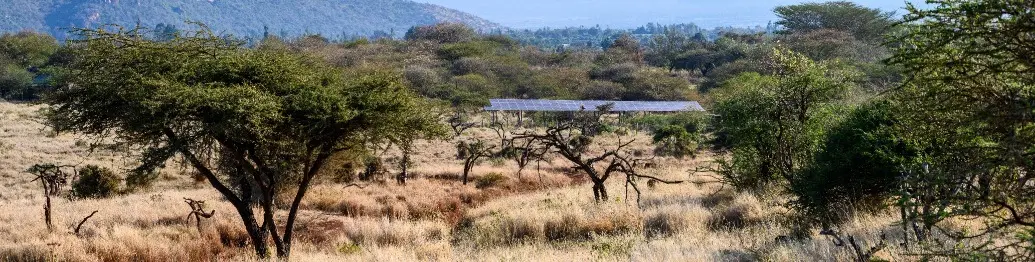
Food production and security are also at the heart of this initiative. In many of the participating countries, a significant portion of agricultural produce is lost before it ever reaches the market due to a lack of cold storage. Solar-powered food storage units represent a transformative solution for smallholder farmers and food processors. By allowing for the refrigeration of perishable goods using the abundant sunlight available in the region, these systems help farmers increase their incomes by reducing waste and allowing them to sell their products at optimal times. This component of the investment directly supports the resilience of local food systems and contributes to broader economic stability in rural areas.
Small businesses and community energy access represent the final, yet perhaps most expansive, pillar of the programme. Small enterprises are the lifeblood of economies across the eight targeted countries, yet they are often the hardest hit by high energy costs and unreliable supply. Whether it is a small workshop in Uganda or a retail outlet in Rwanda, the ability to access clean, affordable power can be the difference between stagnation and growth. The programme’s focus on community energy access also ensures that households and local public spaces are not left behind. By strengthening local economies through better energy infrastructure, the UK-backed projects are helping to build a foundation for long-term, self-sustaining development.