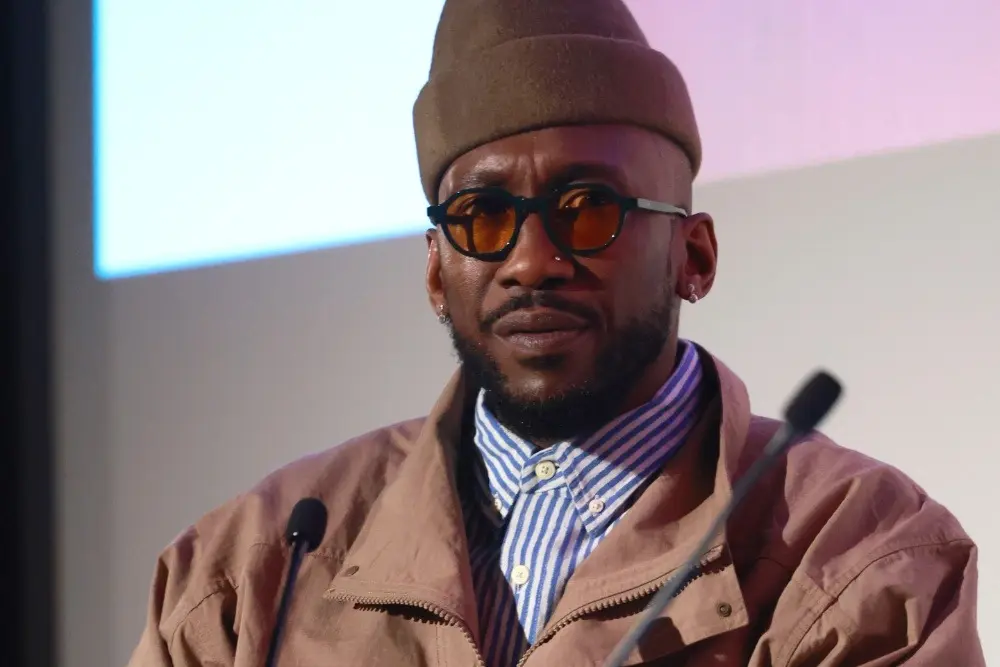
The atmosphere at the BFI London Film Festival turned profoundly somber and reflective on Saturday as two-time Academy Award winner Mahershala Ali took the stage for a career-spanning Screen Talk. In a moment of raw vulnerability that resonated throughout the packed theater, Ali broke down in tears while revisiting the foundational role that catapulted him to international stardom: the compassionate drug dealer Juan in Barry Jenkins’ 2016 masterpiece, “Moonlight.”
The discussion, moderated by film critic and journalist Amon Warmann, served as both a celebration of Ali’s decorated career and a deep dive into the psychological and emotional labor that defines his craft. As the conversation turned toward “Moonlight,” which recently celebrated its 10th anniversary, the weight of the film’s impact seemed to catch Ali off guard. The actor was discussing one of the film’s most pivotal and quietest moments—the dinner-table scene where the young protagonist, Chiron (nicknamed “Little”), looks across the table at Juan and asks with heartbreaking innocence whether he sells drugs.
“You see this like crisis for this young boy who’s already in crisis,” Ali said, his voice thickening with emotion. “It’s really heartbreaking.”
As Warmann probed further into why “Moonlight” continues to hold such an enduring, visceral power over audiences a decade later, Ali found himself unable to speak for a moment. He paused, visibly overcome, and reached to wipe away tears as the audience sat in a supportive silence. “Sorry, just need a second,” he whispered, taking a moment to compose himself before articulating the philosophy that drives his work.
“Any time people put flesh on the bones of those who haven’t been seen or had their moment, I think it’s important,” Ali explained once he had regained his composure. He suggested that the film’s strength lay in its ability to strip away the archetypes of the "inner city" and replace them with something deeply intimate. “I think ‘Moonlight’ was able to make those characters people… make it personal.”
For Ali, the role of Juan was never a caricature. He revealed that his performance was anchored in the memory of a real person from his own life—an uncle-like figure he had known since childhood. This man, a substitute teacher who also spent time playing basketball with a young Ali, represented the complexity of the human experience that Ali sought to bring to the screen. The actor recalled the profound shock he felt when he learned, while away at college, that this man had been arrested and sent to prison.
“I thought of him a lot in the making of the film because of how human everyone was in my environment and in my upbringing,” Ali said. By channeling this real-world complexity, Ali was able to portray Juan not merely as a criminal, but as a paternal figure providing a necessary, if fleeting, sanctuary for a lost child. It was this nuanced portrayal that earned Ali his first Oscar for Best Supporting Actor, making him the first Muslim actor to win an Academy Award for acting.