The week’s cultural digest also ventures into the natural world and the unexpected relationships humans form with it. One contributor reflects on what a relationship with a rescue raccoon taught them about themselves, while another makes a plea for the preservation of boglands and peatlands. These ecosystems, often dismissed as "unlikely" beauties, are vital to the planet’s health and possess a hidden danger that mirrors the complexity of the natural world.
In the world of visual culture and cinema, three new films are being analyzed for what they reveal about how contemporary society views poets and poetry. This cinematic trend suggests a renewed public interest in the "poetic life," even as the actual material conditions for poets remain precarious. To complement this, Eric Amling has released a new poem titled "Cruise Control," providing a moment of lyrical pause in a week dominated by heavy news.
As the industry looks toward the future, the "Independent Press Top 40 Bestsellers" lists for fiction and nonfiction show a robust appetite for diverse voices and unconventional narratives. From novels birthed among the superyachts of Monaco to essential books for understanding North Korea’s cult of personality, readers are seeking out stories that challenge their worldview.
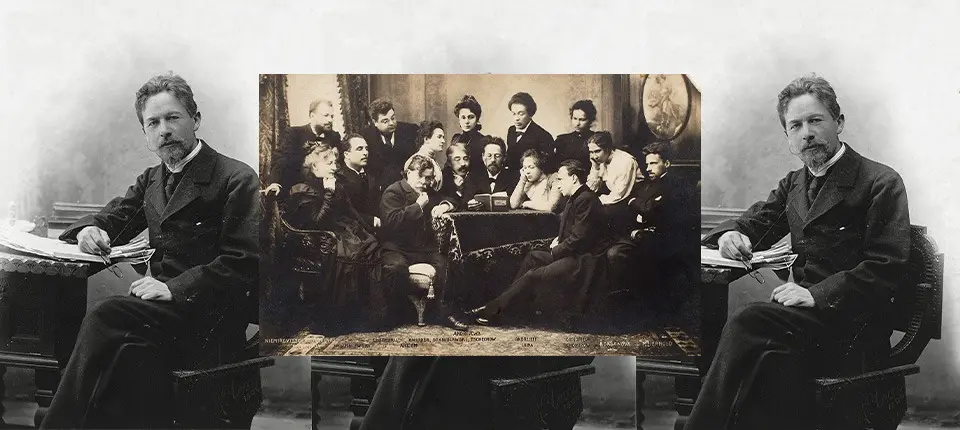
The week concludes with a look at the domestic and the aesthetic. A case is made against the ubiquitous trend of painting walls white, exploring the "myriad hidden meanings" behind the choice of a blank wall. It is a fitting metaphor for the current state of literature: a blank space that is never truly empty, but rather filled with the potential for new stories, historical reckonings, and the occasional, spectacular failure that—like Chekhov’s The Seagull—might just change everything.
From the culinary traditions of Melissa King’s Cantonese-American upbringing in Southern California to the radical change of 1960s and 70s America documented by photographers Jean-Pierre and Eliane Laffont, the literary internet continues to be a repository for the vast, messy, and beautiful complexity of human experience. Whether it is Peter Brown discussing what makes a great read-aloud book or an analysis of how newspapers helped democratize knowledge, the message of the week is clear: the story is not just how we entertain ourselves, but how we survive.