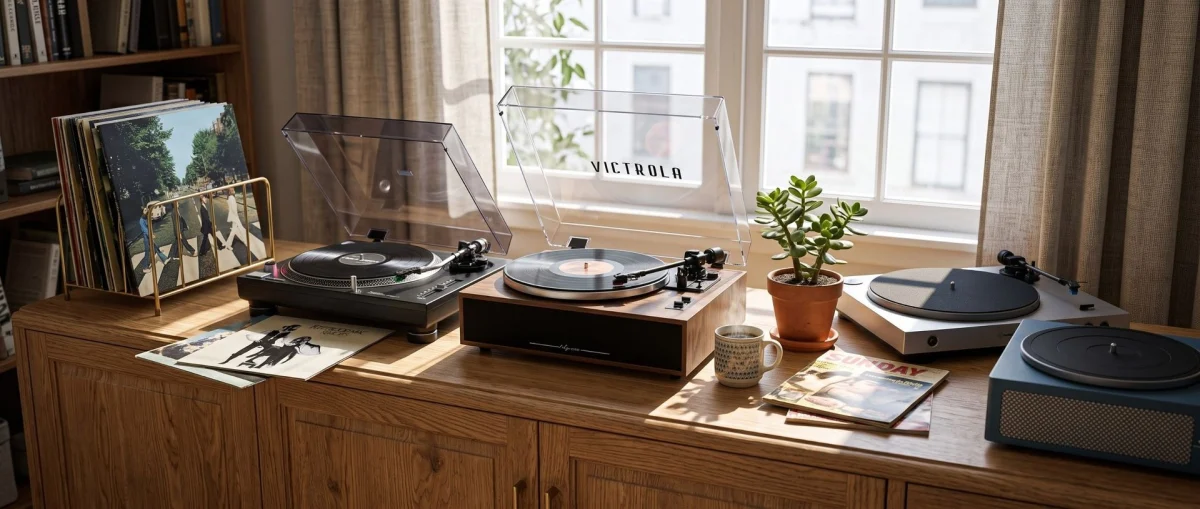
As we move through 2026, a significant cultural shift is taking hold across the global consumer landscape. After nearly two decades of dominant digital transformation, the pendulum is swinging back toward the tangible. There is a palpable sense of "digital fatigue" settling into the public consciousness—a collective pining for the days before every aspect of our cultural consumption was tied to a recurring monthly subscription or an invisible cloud server. At the heart of this movement is a massive revival of interest in physical media, with vinyl record players standing as the undisputed epitome of this analog renaissance.
The return to vinyl is more than just a nostalgic trend; it is a reaction against the ephemeral nature of the streaming era. For many, the convenience of a streaming algorithm, while efficient, has begun to feel hollow. The discovery of music has been relegated to background noise, curated by lines of code rather than personal exploration. In contrast, the act of playing a record provides a tactile joy that a digital interface simply cannot replicate. From the physical weight of the sleeve and the visual artistry of the cover to the delicate ritual of placing the needle on the groove, vinyl offers a sensory engagement that turns music listening into an intentional event rather than a passive experience.
Beyond the ritual, the "warmth" of analog sound remains a primary driver for this resurgence. Audiophiles have long argued that the depth and character of a vinyl pressing offer a more authentic representation of a recording than the compressed files found on most digital platforms. In 2026, this appreciation for high-fidelity sound is no longer restricted to niche hobbyists; it has entered the mainstream. As listeners become more discerning, the desire for a richer, more organic auditory experience has led to a surge in turntable sales, ranging from entry-level units to high-end professional equipment.
The turntable itself has also evolved into a significant piece of interior design. In a world where most technology is designed to be as thin and unobtrusive as possible, the record player stands out as a statement piece. The market in 2026 is currently filled with an array of aesthetically pleasing options that cater to every possible taste. On one end of the spectrum, there are budget-friendly gems that lean into a vintage, mid-century modern aesthetic, utilizing wood grains and classic dials to evoke a sense of history. On the other end, sleek minimalist masterpieces are capturing the attention of the design-obsessed, offering clean lines and high-grade materials that provide superior sound while doubling as modern sculpture.
This intersection of design and functionality is particularly relevant to the creative community. Designers, photographers, and video editors—professionals who spend their days crafting visual and auditory assets—often find that the physical nature of vinyl complements their creative sensibilities. The attention to detail required to maintain a record collection mirrors the precision required in professional creative work. For those who work in branding and production, the turntable is not just a tool for playback; it is an inspiration, representing a commitment to craftsmanship and the enduring power of physical objects.
Market accessibility has also played a crucial role in the 2026 revival. While high-end audiophile setups can still command thousands of dollars, the entry point for newcomers has never been more inviting. Current market trends show significant activity on platforms like Amazon, where a variety of turntables are seeing substantial discounts. Surprisingly, some entry-level models are now available for as little as $29. These economical options often come in "combo" formats, featuring built-in speakers that allow users to start listening immediately without the need for a complex array of separates. While these budget models may not offer the extreme precision of a high-end deck, they provide a low-barrier entry point for a generation that is just beginning to explore the world of physical media.
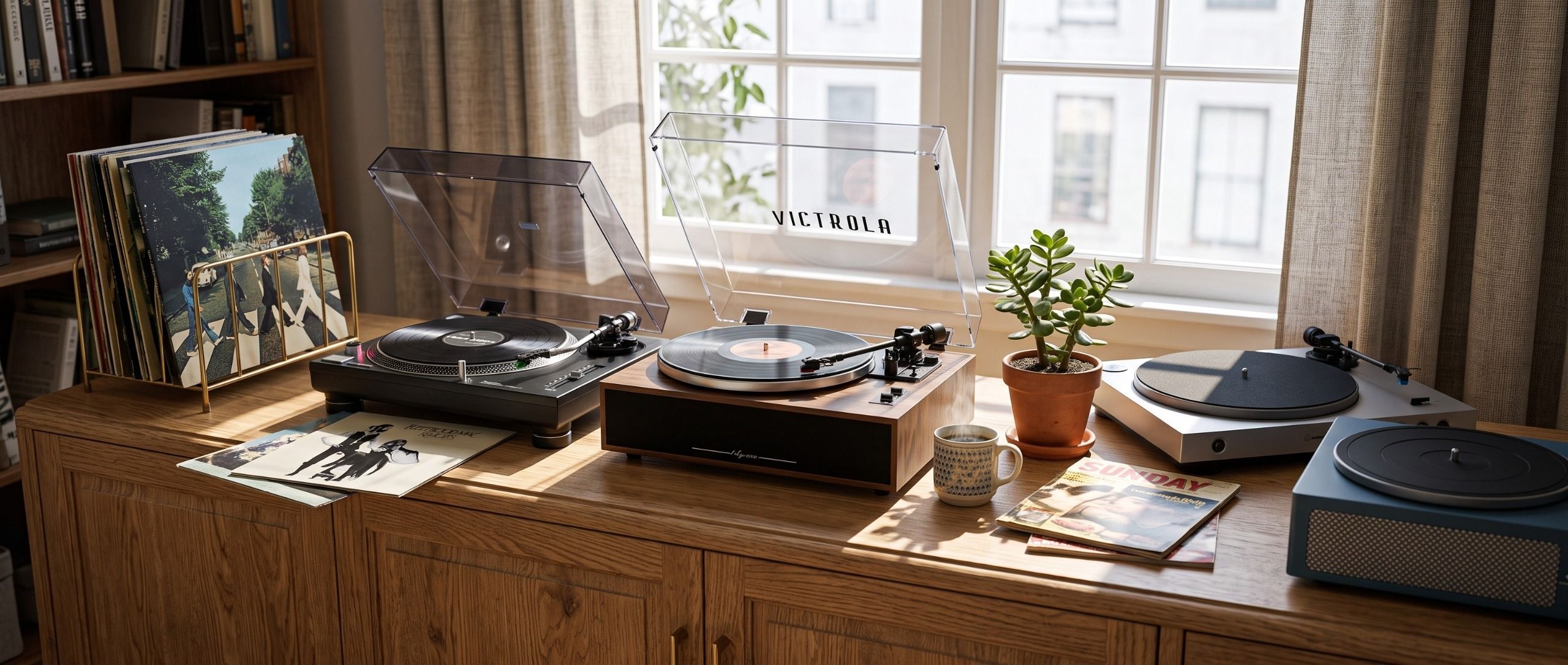
As the market matures, the distinction between "lifestyle" players and "audiophile" turntables has become clearer. For those looking for a simple, all-in-one solution, the modern combo player offers a balance of convenience and style. However, for those who wish to delve deeper into the audiophile world, the trend is moving toward modularity. This involves investing in high-quality separates—dedicated turntables, external pre-amps, and high-fidelity speakers—that can be upgraded over time. This path often leads enthusiasts toward other high-end audio gear, such as specialized audiophile headphones, which have seen a parallel rise in popularity as people seek to isolate themselves from the noise of the digital world and lose themselves in the nuances of a high-quality recording.
The broader implications of this trend suggest a fundamental change in how we value ownership. In the early 2020s, the "subscription economy" promised total access to all media for a flat fee. However, by 2026, consumers are realizing that access is not the same as ownership. The disappearance of titles from streaming libraries due to licensing disputes and the constant upward pressure on subscription prices have made the permanence of a physical record collection increasingly attractive. A vinyl record is a one-time purchase that cannot be deleted by a remote server or hidden behind a changing paywall. It is a permanent part of one’s personal library, a physical artifact that can be handed down through generations.
The creative industry is also taking note of this shift. Production agencies and branding firms are increasingly incorporating "analog" elements into their visual content, recognizing that the texture and "imperfection" of physical media resonate with audiences who are tired of the sterile perfection of AI-generated or purely digital imagery. The sight of a spinning record or the sound of a slight crackle before a track begins has become a shorthand for authenticity in modern marketing.
Furthermore, the social aspect of vinyl cannot be overlooked. In a digital environment, music sharing is often reduced to sending a link. In the physical world, it involves inviting someone over, browsing through a shelf of records, and sitting down to listen to an album from start to finish. This social ritual is a powerful antidote to the isolation that can sometimes accompany a purely digital lifestyle. It encourages conversation and a shared focus that is rare in the age of the smartphone.
As retailers like Amazon continue to slash prices on both budget and high-end units, the 2026 vinyl revival shows no signs of slowing down. Whether it is a sleek, minimalist turntable that sits at the center of a modern loft or a $29 vintage-style player in a student’s dorm room, the message is clear: physical media is back, and it is here to stay. The movement represents a broader desire for a more intentional, beautiful, and tactile life—a way to reclaim a piece of our cultural experience from the clutches of the algorithm.
As we look toward the remainder of the year, the growth of this sector will likely continue to influence the broader tech industry. We are already seeing manufacturers who previously focused solely on digital audio beginning to experiment with analog-hybrid systems, attempting to bridge the gap between the convenience of the modern world and the soul of the old one. For the design-obsessed and the audiophile alike, there has never been a better time to drop the needle.
The resurgence of vinyl in 2026 is a testament to the enduring power of good design and the human need for physical connection. In an era where so much of our lives is lived through screens, the simple, mechanical motion of a turntable serves as a grounding force. It reminds us that some of the best things in life are not found in the cloud, but in the heavy, rhythmic rotation of a black disc on a platter. As long as people continue to value the warmth of a human touch and the integrity of a well-crafted object, the turntable will remain a cornerstone of the modern home.