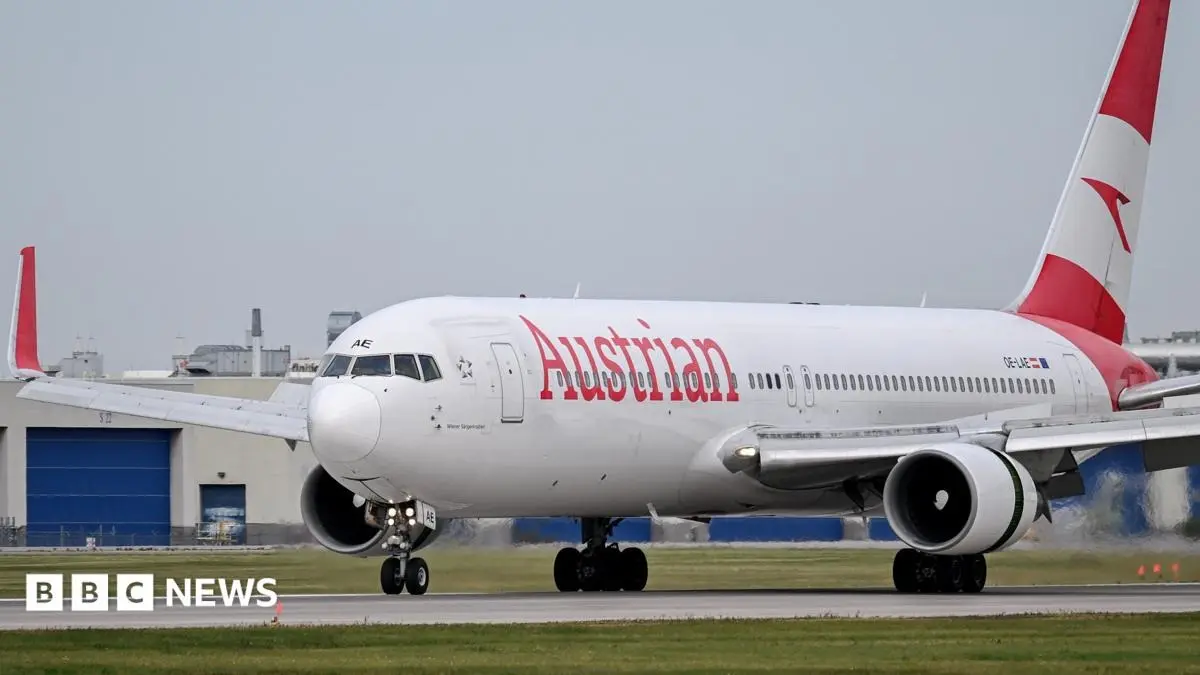
The rapid execution of emergency procedures during the Austrian Airlines diversion to Sofia underscores the established frameworks governing civil-military coordination during airborne threats. When Flight OS 82 received the security alert over Romania, multi-national air traffic protocols allowed flight commanders to make an immediate decision to land at Sofia within a 30-minute timeframe, ensuring the safety of everyone on board.
The tactical deployment of the Bulgarian Air Force MiG-29 fighter jet served to maintain direct visual oversight of the commercial jet from the moment it entered Bulgarian airspace until its wheels touched down in Sofia. Military escorts in these scenarios provide continuous communication support to air traffic management, monitoring the target aircraft for any external signs of distress or abnormal maneuvers while ensuring that civil airspace remains clear and secure around the affected plane.
Once on the ground at Vasil Levski Airport, the prompt evacuation of all 57 individuals allowed law enforcement officers and bomb disposal units to perform their security duties without risk to human life. The thorough sweep of the airframe, passenger seats, overhead bins, and cargo holds ensured that the plane was entirely safe before any consideration was given to resuming the flight schedule.
The confirmation by Austrian Airlines that no threat was located provided immediate relief to the passengers and crew who experienced the mid-air disruption. The fact that the same flight crew and passenger contingent were able to re-board the Airbus A320 in Sofia and complete their flight to Vienna demonstrated the thoroughness of the clear verdict delivered by the Bulgarian authorities.
As the formal investigation into the false threat continues, international authorities continue to emphasize the significant operational burdens and legal consequences associated with security hoaxes targeted at commercial flights. Incidents of this nature divert critical defense assets, require emergency responses at civilian airports, and create substantial logistical disruptions for international air transport networks.
The series of events surrounding Austrian Airlines Flight 82—from its evening takeoff in Tel Aviv, through its military-escorted landing in Bulgaria, to its final clear inspection and safe arrival in Vienna—demonstrates the operational focus of international aviation security systems. Though the bomb threat was determined to be unfounded, the response by Austrian Airlines, air traffic control, and the Bulgarian Air Force ensured that passenger and crew safety remained fully protected throughout the emergency.