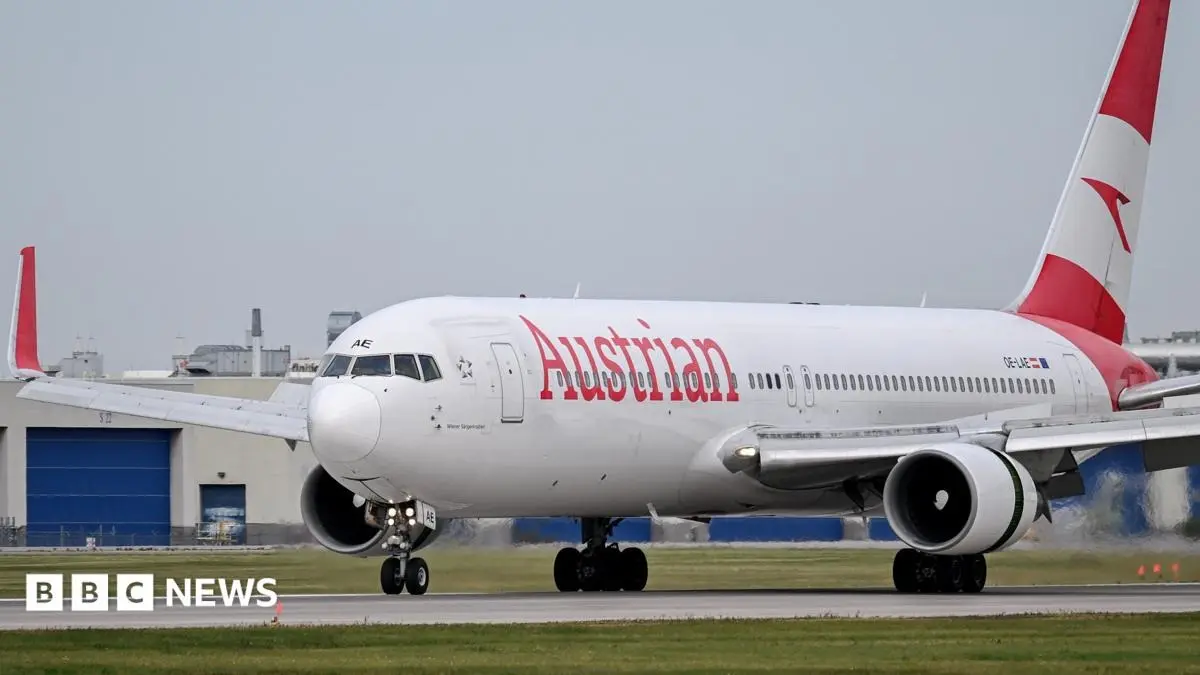
An official investigation into the origin and circumstances surrounding the bomb threat has been formally launched by authorities. Security officials are analyzing communication logs and threat reports to identify the source responsible for issuing the warning that caused the international military scramble and airborne disruption.
The emergency diversion in Sofia comes amid a period of heightened sensitivity and security vigilance regarding commercial aviation routes connecting Israel, the Middle East, and European air corridors. Recent weeks have seen multiple high-profile security incidents and false alarms that have placed commercial flight crews, air traffic controllers, and national military forces on elevated alert across the region.
Just last month, a severe security crisis occurred aboard a Flydubai passenger flight bound for Tel Aviv when a pilot attempted to hijack the aircraft mid-flight. During that incident, the pilot launched an physical attack against the flight’s captain inside the cockpit while the aircraft was en route to its destination in Israel. The crisis was successfully resolved mid-air when the flight’s crew members and passengers intervened together, overpowering the attacker and securing the cockpit.
Following the containment of the airborne attack aboard the Flydubai flight, the remaining crew members managed to navigate the aircraft to a safe emergency landing in Saudi Arabia. That incident highlighted the operational challenges facing commercial flights operating in regional airspace, demonstrating the critical role of onboard crew training and rapid intervention during airborne emergencies.
In another recent incident demonstrating the high state of readiness across European air defense networks, quick-reaction fighter jets were deployed in Central Europe last week after a commercial passenger airliner accidentally sent out a emergency alert. That event involved a commercial flight traveling from the Greek holiday island of Corfu to the German city of Nuremberg.
During that flight, an emergency hijacking code was accidentally transmitted from the aircraft’s transponder. The automated transmission immediately activated national air defense protocols, prompting both Croatia and Germany to scramble supersonic fighter jets to intercept the airliner mid-flight. The military pilots conducted visual checks and established contact with the flight crew to confirm that the aircraft was safe before the alert was confirmed as an accidental code entry and standing air defense measures were stood down.