The euphoria of completing a grueling workout is a familiar sensation for many fitness enthusiasts. Whether it is the final sprint on a treadmill or the last heavy set of squats, the immediate aftermath of exercise often brings a sense of accomplishment and a rush of endorphins. However, for many, that satisfaction is short-lived. A few hours later, the first signs of stiffness begin to emerge, and by the following morning, the dull, throbbing ache of muscle soreness has firmly set in. This physical toll can linger for days, turning mundane movements—like walking down a flight of stairs or reaching for a high shelf—into a painful reminder of yesterday’s efforts.
In an era where "biohacking" and "marginal gains" have transitioned from the world of professional sports into the mainstream, recreational gym-goers are increasingly looking for ways to bypass this discomfort. In search of rapid relief, many are adopting recovery techniques that were once the exclusive domain of elite athletes and Olympic training centers. Driven by social media influencers and the visibility of professional sports recovery rooms, the market for recovery aids has exploded. Today, everything from portable ice baths and medical-grade compression garments to percussive massage tools and a dizzying array of supplements is marketed to the average consumer.
While these products frequently promise faster recovery times, reduced muscle soreness, and a swift return to peak performance, the scientific reality is often far more nuanced than the marketing suggests. As the industry grows, researchers are taking a closer look at whether these interventions provide a genuine physiological advantage or if their benefits are primarily psychological.
Ice baths and the trade-off of adaptation
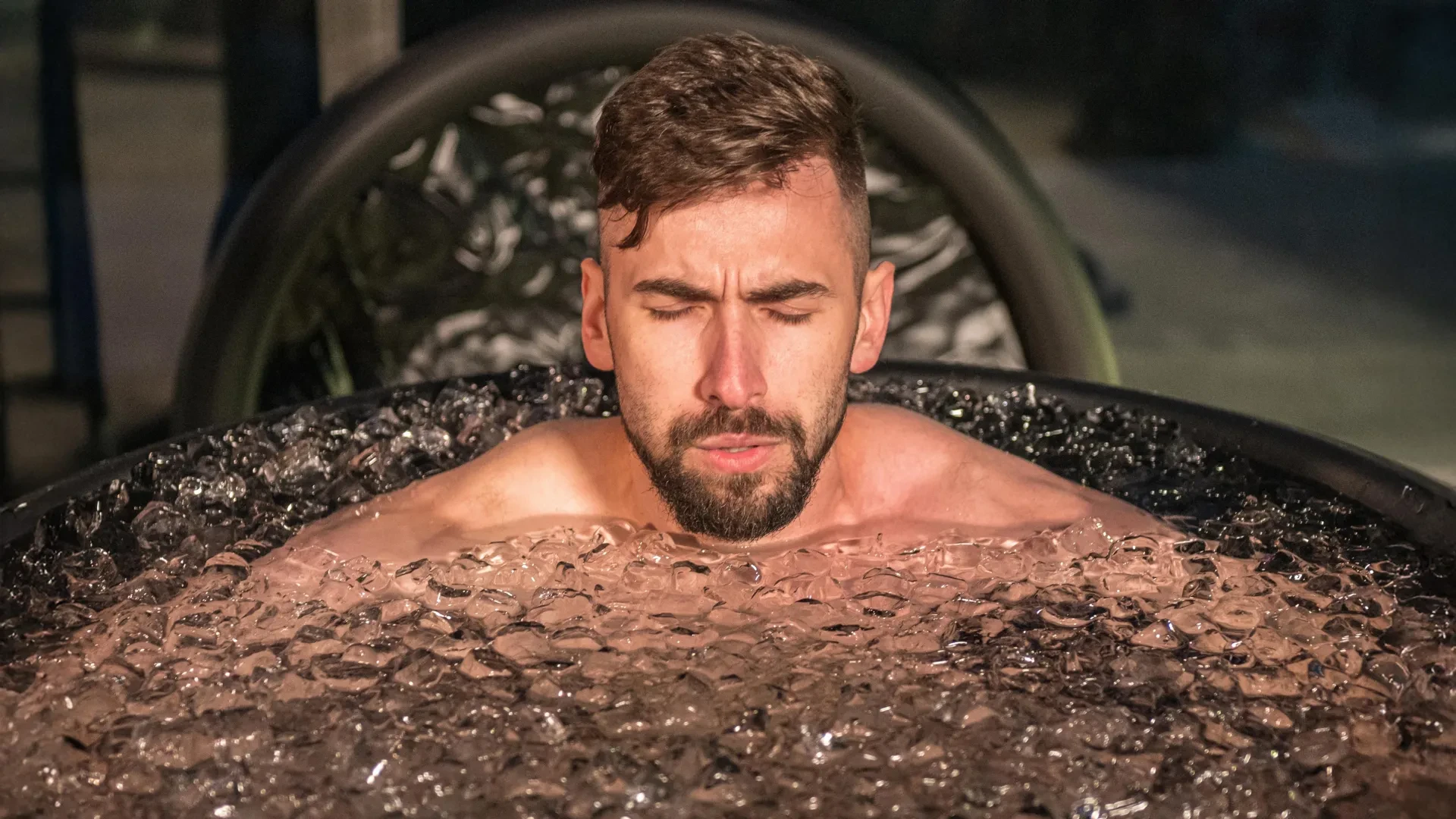
Among the various recovery strategies currently in vogue, few have garnered as much public attention as cold water immersion, more commonly known as the ice bath. Once a niche practice for professional football players and marathon runners, the home ice bath market has surged, with "smart plunges" and portable tubs becoming status symbols in the fitness community. The practice typically involves immersing the body in water cooled to below 15°C for several minutes following intense physical exertion.
The primary aim of the ice bath is to boost recovery by inducing vasoconstriction and reducing inflammation. On this front, the evidence is somewhat supportive. Research suggests that ice baths can indeed help ease the inflammation that follows micro-trauma in muscle fibers. By dampening this inflammatory response, cold therapy can reduce the sensation of muscle soreness and may help athletes recover their muscle function more effectively within a critical 24-hour window. This makes the ice bath a potentially valuable tool for athletes in the middle of a multi-day tournament where immediate performance is the priority.
However, for the average person looking to build strength or muscle mass over the long term, there is a significant catch. While inflammation is the source of post-workout soreness, it is also a vital biological signal. The inflammatory process triggers the very adaptations that lead to muscle growth and increased strength. By prematurely quenching this response with ice, individuals may be inadvertently limiting the long-term benefits of their training.
Studies have indicated that regular use of ice baths can hinder muscle hypertrophy, as the body’s natural repair mechanisms are suppressed. When it comes to cold therapy, side-stepping short-term pain may ultimately mean sacrificing long-term gains. Consequently, experts suggest that ice baths should be used sparingly, reserved only for times when rapid recovery for a subsequent event is absolutely vital.
Compression garments and the perception of relief
Another staple of the modern recovery kit is the compression garment. From full-length tights to sleeves and socks, these tight-fitting items are worn during and after exercise with the intent of speeding up the body’s return to baseline. The underlying theory is that the external pressure applied to the limbs supports circulation, enhances blood flow back to the heart, and reduces the accumulation of fluid or swelling in the muscles.