In contrast, Branched-Chain Amino Acids (BCAAs)—typically a mix of leucine, isoleucine, and valine—are widely used under the belief that leucine acts as a "switch" for protein synthesis. However, recent evidence suggests that BCAAs are less effective than complete protein sources like whey or whole foods. This is because the body requires a full spectrum of essential amino acids to repair muscle tissue; having the "switch" without the necessary building blocks is of limited use. Whole food sources such as chicken, beef, salmon, and tofu naturally contain all these essential components.
Among the newer entries to the recovery scene is tart cherry juice. Rich in polyphenols—plant compounds with potent anti-inflammatory and antioxidant properties—tart cherry juice is thought to reduce the oxidative stress and muscle damage caused by intense exercise. Emerging research is promising, suggesting that these compounds can have small-to-moderate effects on reducing soreness and may even help in restoring muscular strength and power more quickly.
Omega-3 fish oil supplements are also frequently marketed as recovery aids due to their anti-inflammatory properties. While some studies suggest they may modestly help preserve muscle function and reduce soreness, the results are far from consistent. For most people, omega-3s are unlikely to provide a transformative boost to their recovery timeline.
Crucially, experts emphasize that most of these beneficial nutrients can be obtained through a balanced diet. Science increasingly shows that whole foods are often superior to expensive supplements. This is because whole foods contain a complex matrix of nutrients that work synergistically to support health and recovery, a benefit that is often lost when individual compounds are isolated in pill or powder form.
What actually works?
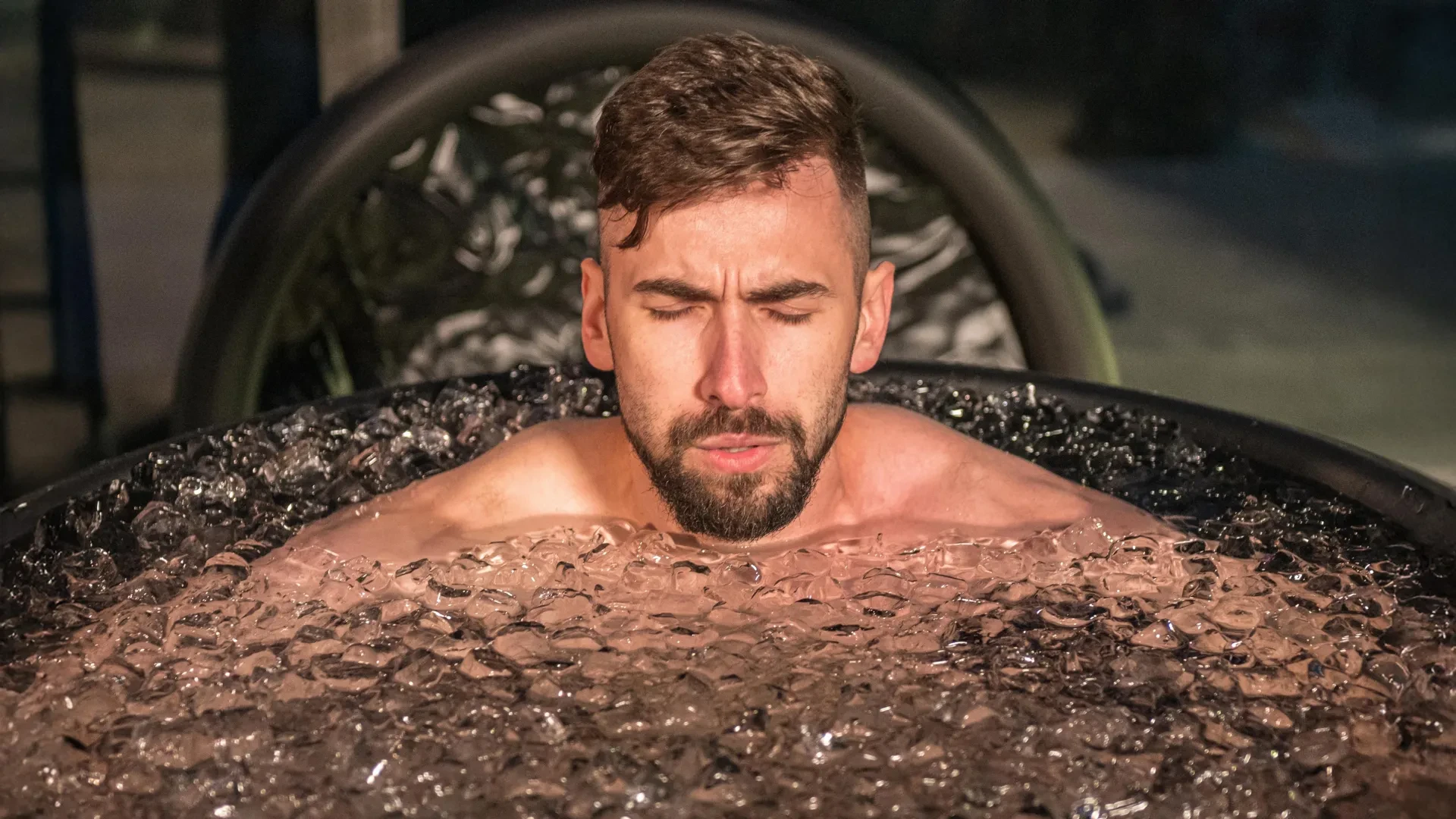
The rise of the recovery industry has provided fitness enthusiasts with more tools than ever before, but it has also created a sense that recovery is something that must be purchased. While popular techniques like ice baths, compression, and massage can offer small benefits—primarily in how an individual feels—they rarely provide the dramatic restoration of muscle function that many expect.
The most robust scientific evidence for effective recovery does not point toward a new product or a high-tech gadget. Instead, it points back to the fundamental pillars of health:
- Prioritizing Sleep: Sleep is the most potent recovery tool available. It is during deep sleep that the body releases the majority of the growth hormones required for tissue repair and cognitive restoration.
- Nutritional Consistency: Consuming adequate calories and a balance of macronutrients—particularly carbohydrates to replenish energy stores and protein to repair tissue—is essential.
- Active Recovery: Low-intensity movement, such as walking or light cycling, can help maintain circulation and ease stiffness without adding further stress to the body.
Ultimately, the most important lesson from the current research is that recovery cannot be bottled, packaged, or sold. While high-tech tools may provide a helpful assist or a psychological boost, they are no substitute for the foundational habits that allow the human body to heal itself. For the recreational athlete, the best recovery strategy remains the simplest: eat well, move gently, and get a good night’s rest.