The euphoria of completing a grueling workout is a familiar sensation for many fitness enthusiasts. Whether it is the final sprint on a treadmill or the last heavy set of squats, the immediate aftermath of exercise often brings a sense of accomplishment and a rush of endorphins. However, for many, that satisfaction is short-lived. A few hours later, the first signs of stiffness begin to emerge, and by the following morning, the dull, throbbing ache of muscle soreness has firmly set in. This physical toll can linger for days, turning mundane movements—like walking down a flight of stairs or reaching for a high shelf—into a painful reminder of yesterday’s efforts.
In an era where "biohacking" and "marginal gains" have transitioned from the world of professional sports into the mainstream, recreational gym-goers are increasingly looking for ways to bypass this discomfort. In search of rapid relief, many are adopting recovery techniques that were once the exclusive domain of elite athletes and Olympic training centers. Driven by social media influencers and the visibility of professional sports recovery rooms, the market for recovery aids has exploded. Today, everything from portable ice baths and medical-grade compression garments to percussive massage tools and a dizzying array of supplements is marketed to the average consumer.
While these products frequently promise faster recovery times, reduced muscle soreness, and a swift return to peak performance, the scientific reality is often far more nuanced than the marketing suggests. As the industry grows, researchers are taking a closer look at whether these interventions provide a genuine physiological advantage or if their benefits are primarily psychological.
Ice baths and the trade-off of adaptation
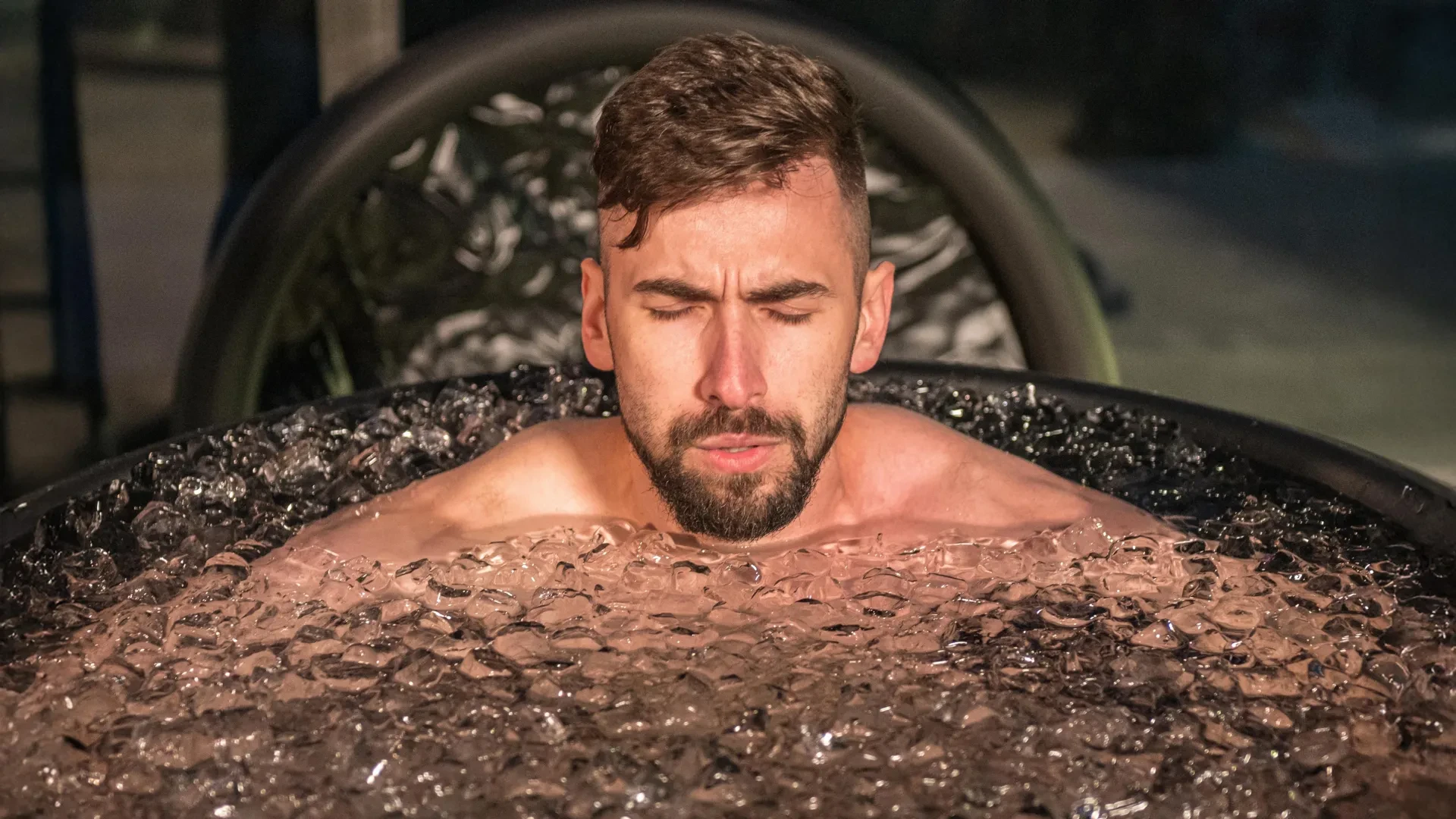
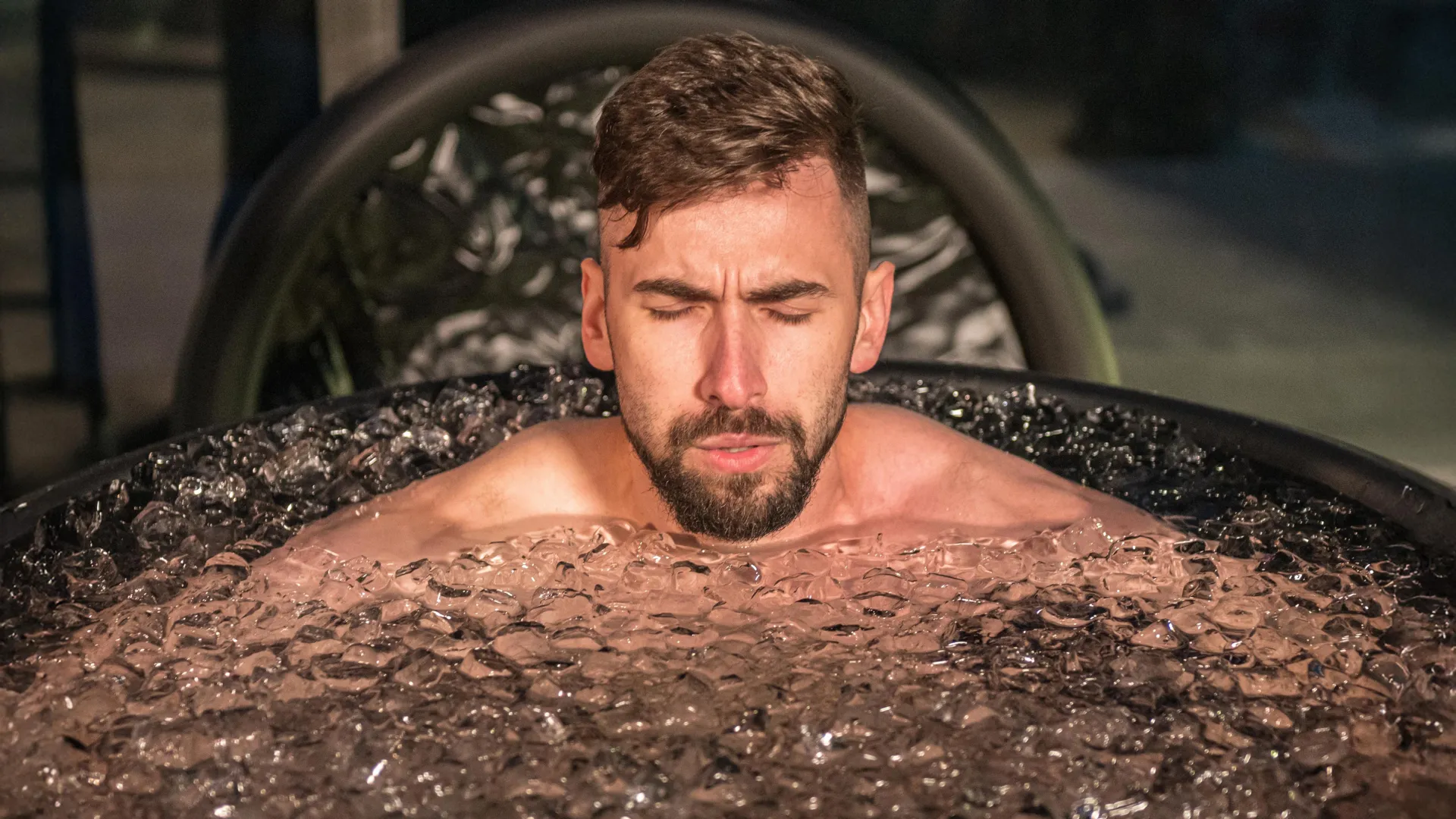
Among the various recovery strategies currently in vogue, few have garnered as much public attention as cold water immersion, more commonly known as the ice bath. Once a niche practice for professional football players and marathon runners, the home ice bath market has surged, with "smart plunges" and portable tubs becoming status symbols in the fitness community. The practice typically involves immersing the body in water cooled to below 15°C for several minutes following intense physical exertion.
The primary aim of the ice bath is to boost recovery by inducing vasoconstriction and reducing inflammation. On this front, the evidence is somewhat supportive. Research suggests that ice baths can indeed help ease the inflammation that follows micro-trauma in muscle fibers. By dampening this inflammatory response, cold therapy can reduce the sensation of muscle soreness and may help athletes recover their muscle function more effectively within a critical 24-hour window. This makes the ice bath a potentially valuable tool for athletes in the middle of a multi-day tournament where immediate performance is the priority.
However, for the average person looking to build strength or muscle mass over the long term, there is a significant catch. While inflammation is the source of post-workout soreness, it is also a vital biological signal. The inflammatory process triggers the very adaptations that lead to muscle growth and increased strength. By prematurely quenching this response with ice, individuals may be inadvertently limiting the long-term benefits of their training.
Studies have indicated that regular use of ice baths can hinder muscle hypertrophy, as the body’s natural repair mechanisms are suppressed. When it comes to cold therapy, side-stepping short-term pain may ultimately mean sacrificing long-term gains. Consequently, experts suggest that ice baths should be used sparingly, reserved only for times when rapid recovery for a subsequent event is absolutely vital.
Compression garments and the perception of relief
Another staple of the modern recovery kit is the compression garment. From full-length tights to sleeves and socks, these tight-fitting items are worn during and after exercise with the intent of speeding up the body’s return to baseline. The underlying theory is that the external pressure applied to the limbs supports circulation, enhances blood flow back to the heart, and reduces the accumulation of fluid or swelling in the muscles.
Despite their popularity, the evidence that compression garments meaningfully improve objective muscle recovery is less than convincing. While many users swear by them, researchers have struggled to find consistent data showing that they actually restore muscle function faster than doing nothing at all.
A notable study from 2022 sought to distinguish between the physiological effects of compression and the placebo effect. Researchers divided participants into two groups: one was given actual compression garments, while the other was given a "placebo tablet" and told it was a cutting-edge recovery aid equally as effective as compression. The results were telling. The compression garments did indeed show a measurable improvement in circulation and muscle blood flow, whereas the placebo had no such effect on the body’s internal plumbing. This suggests that the physiological impact of compression is real and not merely a result of the user’s expectations.
However, the study also found that these physiological changes did not necessarily translate into better performance. While the garments helped participants feel better and reduced their perception of soreness, they were unlikely to directly restore muscle function or strength. For the recreational athlete, compression garments may be most useful as a psychological tool—helping them feel more "recovered" and comfortable, even if their muscles haven’t technically healed any faster.
The consistent support for massage
Of all the recovery interventions currently available, massage remains one of the few with relatively consistent scientific backing. Whether delivered by a professional therapist or through the use of modern percussive "massage guns," the practice has been shown to reduce soreness and improve a person’s perceived state of recovery after a hard session.
Despite its long history, the exact mechanisms that trigger the benefits of massage remain a subject of debate among scientists. It is currently unclear whether the relief comes from the mechanical manipulation of the tissue or from a broader neurological response. Most researchers agree that the benefits likely stem from a combination of factors: the reduction of muscle stiffness, the localized improvement of circulation, and the general boost in relaxation that comes from the treatment.
However, there is a distinction to be made between feeling better and performing better. While athletes consistently report feeling less sore after a massage, objective measures of performance restoration—such as explosive power or endurance capacity—are often modest and inconsistent across studies. Massage is an excellent tool for easing the discomfort of training and improving one’s mental outlook on recovery, but it is not a "miracle cure" for restoring performance to 100% overnight.
The complex landscape of recovery supplements
The nutritional supplement market has become a multi-billion-dollar industry, characterized by brightly colored packaging and bold claims. From "anabolic" recovery drinks to "anti-inflammatory" capsules, the options are endless. Yet, the science behind these products varies wildly; some are backed by robust evidence, while others rely on marketing hype that the data simply does not support.
Whey protein is perhaps the most well-researched supplement in this category. As a complete protein rich in essential amino acids, it is highly effective at stimulating muscle protein synthesis—the biological process required for muscle repair and growth. While whey protein offers small-to-moderate benefits for overall muscle recovery, its ability to specifically alleviate muscle soreness is less certain, with research showing inconsistent results on that front.
In contrast, Branched-Chain Amino Acids (BCAAs)—typically a mix of leucine, isoleucine, and valine—are widely used under the belief that leucine acts as a "switch" for protein synthesis. However, recent evidence suggests that BCAAs are less effective than complete protein sources like whey or whole foods. This is because the body requires a full spectrum of essential amino acids to repair muscle tissue; having the "switch" without the necessary building blocks is of limited use. Whole food sources such as chicken, beef, salmon, and tofu naturally contain all these essential components.
Among the newer entries to the recovery scene is tart cherry juice. Rich in polyphenols—plant compounds with potent anti-inflammatory and antioxidant properties—tart cherry juice is thought to reduce the oxidative stress and muscle damage caused by intense exercise. Emerging research is promising, suggesting that these compounds can have small-to-moderate effects on reducing soreness and may even help in restoring muscular strength and power more quickly.
Omega-3 fish oil supplements are also frequently marketed as recovery aids due to their anti-inflammatory properties. While some studies suggest they may modestly help preserve muscle function and reduce soreness, the results are far from consistent. For most people, omega-3s are unlikely to provide a transformative boost to their recovery timeline.
Crucially, experts emphasize that most of these beneficial nutrients can be obtained through a balanced diet. Science increasingly shows that whole foods are often superior to expensive supplements. This is because whole foods contain a complex matrix of nutrients that work synergistically to support health and recovery, a benefit that is often lost when individual compounds are isolated in pill or powder form.
What actually works?
The rise of the recovery industry has provided fitness enthusiasts with more tools than ever before, but it has also created a sense that recovery is something that must be purchased. While popular techniques like ice baths, compression, and massage can offer small benefits—primarily in how an individual feels—they rarely provide the dramatic restoration of muscle function that many expect.
The most robust scientific evidence for effective recovery does not point toward a new product or a high-tech gadget. Instead, it points back to the fundamental pillars of health:
- Prioritizing Sleep: Sleep is the most potent recovery tool available. It is during deep sleep that the body releases the majority of the growth hormones required for tissue repair and cognitive restoration.
- Nutritional Consistency: Consuming adequate calories and a balance of macronutrients—particularly carbohydrates to replenish energy stores and protein to repair tissue—is essential.
- Active Recovery: Low-intensity movement, such as walking or light cycling, can help maintain circulation and ease stiffness without adding further stress to the body.
Ultimately, the most important lesson from the current research is that recovery cannot be bottled, packaged, or sold. While high-tech tools may provide a helpful assist or a psychological boost, they are no substitute for the foundational habits that allow the human body to heal itself. For the recreational athlete, the best recovery strategy remains the simplest: eat well, move gently, and get a good night’s rest.