O’Gieblyn’s work is distinguished by its refusal to view addiction through a purely medical or moral lens. Instead, she draws on a rich humanistic tradition, invoking the French philosopher Simone Weil and the German thinker Arthur Schopenhauer to examine the "twinned problems" of will and attention. Sasseen highlights O’Gieblyn’s awareness of a cruel irony: that the achievement of stability and happiness can often breed a boredom that triggers a destructive willfulness. By focusing on the quality of attention we pay to ourselves and the world, O’Gieblyn manages to transcend the traditional addiction memoir, offering instead a profound meditation on the varieties of care required to maintain a sense of self in a world of "zeroes and ones."

The theme of moral complexity and the difficulty of "being good" continues in Lily Meyer’s review of Madeline ffitch’s Avalon, Rise for The Atlantic. ffitch’s novel is described as a sophisticated and slyly funny exploration of a community facing an external "Big Bad"—specifically, the infiltration of white supremacists into a town. Meyer notes that the novel operates with the directness of a children’s classic, such as Abiyoyo or Frog and Toad, yet maintains an intellectual complexity that avoids the pitfalls of preachy "purity."
In ffitch’s narrative, the act of opposing evil is presented as a necessary but grueling task, complicated by the fallibility and confusion of the characters themselves. By braiding together various stories of resistance, ffitch demonstrates that collective action is rarely easy, even when the stakes are high. The novel’s strength, according to Meyer, lies in its ability to mirror the ethical clarity of children’s literature—where characters must face their situations with courage—while acknowledging the "mischief, humor, and delight" that coexist with emotional complication. Avalon, Rise ultimately serves as a testament to the difficulty of getting people to work together and the remarkable persistence required to protect a community.
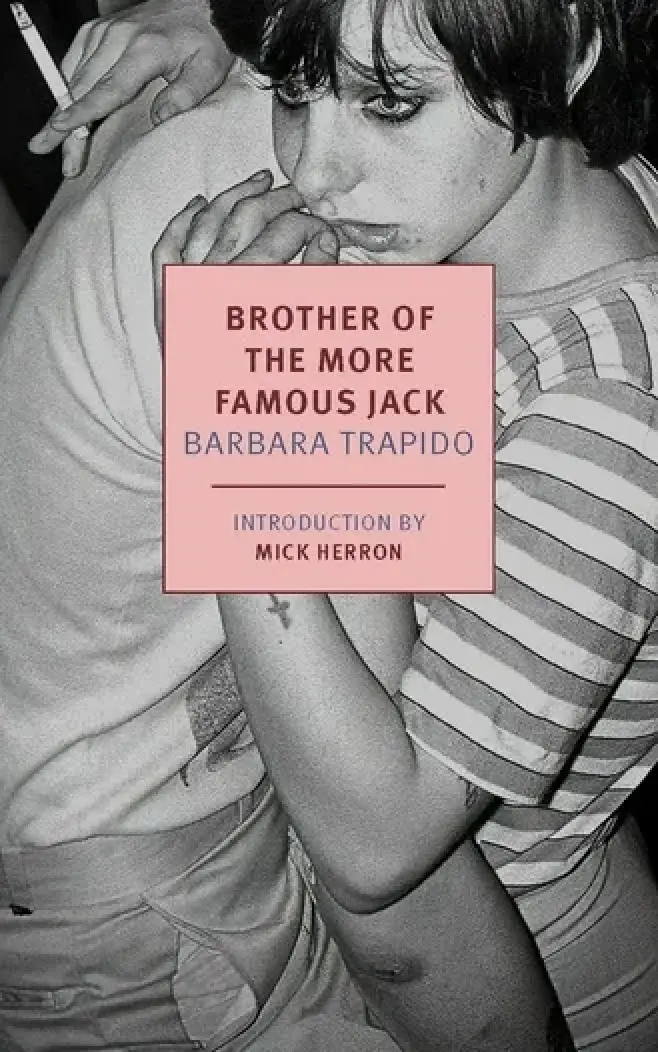
In a different vein of literary exploration, Barbara Trapido’s Brother of the More Famous Jack has been hailed by Dwight Garner in The New York Times as a "pocket classic" that deserves a wider audience. Garner’s review celebrates the reissue of this "literate, funny, cruel, and eccentric" novel, which follows a young person from a narrow cultural background who is "nearly adopted" by an unconventional, urbane family. The novel’s title, an allusion to the painter Jack Yeats, may have contributed to its relative obscurity, but Garner argues that the book’s "Stoppard-level" dialogue and its ability to take life seriously without becoming "gooey" make it an ornament to the genre of coming-of-age fiction.