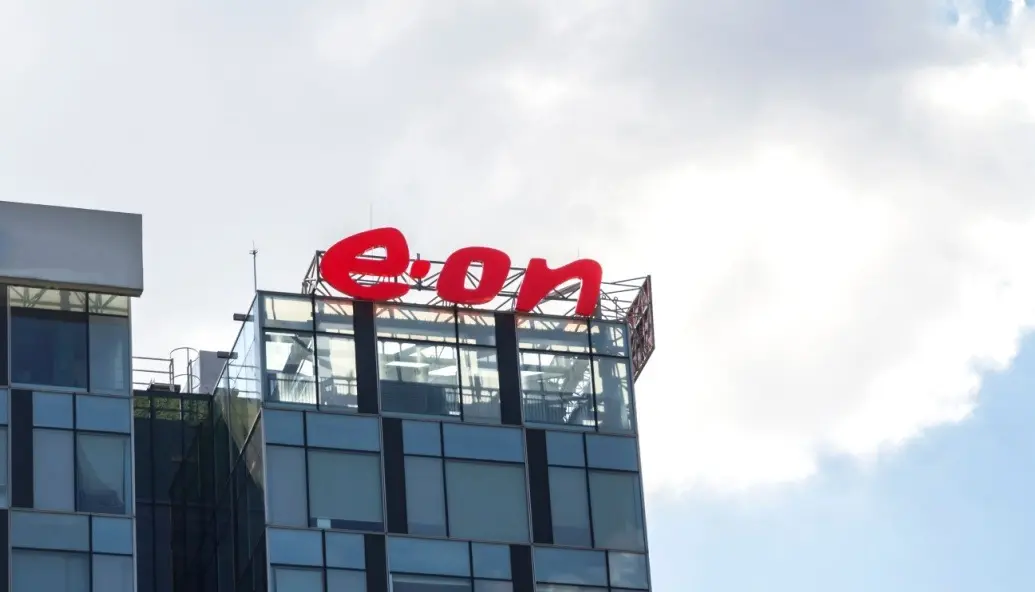
The landscape of the United Kingdom’s domestic energy sector has undergone a seismic shift following the formal completion of E.ON’s acquisition of OVO. This significant consolidation, which has now received the necessary regulatory clearance from the Competition and Markets Authority (CMA), marks the beginning of a new era for millions of British households. The merger effectively unites two of the country’s most prominent energy brands, creating a combined entity that is estimated to serve nearly 10 million customers across the nation. This move represents one of the most substantial structural changes to the UK energy retail market in recent years, signaling a definitive move toward a more consolidated industry structure.
The completion of the deal follows a period of rigorous scrutiny by the CMA, the government body tasked with ensuring that corporate mergers do not unfairly stifle competition or disadvantage consumers. By granting its approval, the regulator has signaled that the merger between E.ON and OVO does not pose an insurmountable threat to market competitiveness, despite the massive scale of the newly formed group. For E.ON, the acquisition is a strategic milestone that significantly expands its footprint in the UK, reinforcing its position as a dominant force in a sector that has faced unprecedented volatility and transformation over the last several years.
Despite the magnitude of the corporate merger, E.ON has moved quickly to provide stability and reassurance to its expanded customer base. The company has confirmed that there will be no immediate changes for those currently served by either E.ON Next or OVO. All existing tariffs, pricing structures, and customer service channels are set to remain unchanged for the time being. This "business as usual" approach is intended to ensure a seamless transition during the integration process, preventing the administrative disruptions that have occasionally plagued large-scale migrations in the energy sector.
E.ON has emphasized that its primary focus remains the continuity of service. In an industry where trust is a critical commodity, the company has pledged that any future adjustments to customer accounts or services will be communicated with significant lead time. Customers have been reassured that they will receive formal notice of any changes far in advance of any action being taken. This commitment to transparency is seen as a vital component of the company’s strategy to retain its massive new customer base and navigate the complexities of merging two distinct operational infrastructures.
Chris Norbury, the Chief Executive Officer of E.ON UK, characterized the completion of the acquisition as a pivotal moment for the company and the broader energy transition. In a statement following the CMA’s approval, Norbury underscored that while the corporate structure has evolved, the core mission of the organization remains fixed on the consumer experience. He noted that the first priority for the combined business is to look after the customers within both the E.ON Next and OVO portfolios. Norbury’s comments reflect a strategic focus on stability during a time of significant corporate growth.
Beyond the immediate operational goals, Norbury highlighted the strategic necessity of the merger in the context of a rapidly evolving and "fiercely competitive" market. He argued that the dual advantages of flexibility and scale are what will ultimately allow the company to deliver for its customers in the present while simultaneously preparing for the massive structural changes required by the future energy system. According to the CEO, the merger is not simply about increasing market share, but about building the institutional strength necessary to "make new energy work for everyone." This vision aligns with the broader industry-wide push toward decarbonization and the modernization of the UK’s energy grid.
The implications of this merger extend far beyond the two companies involved, as it fundamentally redraws the competitive map of the UK energy retail market. The union of E.ON and OVO is a defining moment in the transition from the traditional "Big Six" model to what many analysts are now describing as the "Big Three." Following this acquisition, the domestic market is now heavily concentrated among three major players: Octopus Energy, British Gas, and the newly expanded E.ON. Together, these three giants now control an estimated 74% of the domestic energy market, a level of concentration that has not been seen in the UK for decades.
This consolidation is the culmination of a decade of intense market turbulence. For years, the UK government and regulators encouraged a "challenger" model, where smaller, independent suppliers were expected to break the dominance of established legacy providers. However, the energy crisis of the early 2020s, characterized by record-high wholesale gas prices and a series of supplier failures, fundamentally altered that trajectory. The market has since pivoted toward larger, more resilient entities capable of absorbing economic shocks and funding the massive investments required for the transition to net-zero emissions.

OVO’s journey to this point is particularly noteworthy. Originally founded as a "challenger" brand that aimed to disrupt the established order with a focus on technology and customer service, OVO grew rapidly, eventually acquiring the retail arm of SSE. Its integration into E.ON represents the final chapter of that independent growth story, as it joins one of Europe’s largest energy operators. For E.ON, the acquisition provides a wealth of digital expertise and a customer base that has traditionally been more engaged with green energy solutions and smart home technologies.
The move toward a "Big Three" structure raises important questions about the future of competition and innovation in the UK energy sector. While the CMA has provided its initial clearance, the long-term impact on pricing and consumer choice remains a subject of intense interest for industry observers. Proponents of the merger argue that larger companies are better equipped to invest in the smart grids, heat pumps, and electric vehicle charging infrastructure necessary for the energy transition. Scale, in this view, provides the financial "firepower" needed to drive down the costs of new technologies through bulk procurement and integrated service delivery.
On the other hand, the high level of market concentration—with three firms holding nearly three-quarters of the market—puts a significant responsibility on those companies to maintain high standards of service and fair pricing. With the "Big Three" now holding such a dominant position, the role of the regulator, Ofgem, will become even more critical in ensuring that the benefits of scale are passed on to the consumer rather than merely serving to bolster corporate margins.
The logistical challenge of managing nearly 10 million customers cannot be overstated. E.ON will need to navigate the complexities of integrating different billing systems, customer databases, and corporate cultures. History has shown that energy mergers can be fraught with technical difficulties, particularly when migrating customers from one software platform to another. E.ON’s reassurance that no immediate changes will occur suggests a cautious, phased approach to integration, likely designed to avoid the pitfalls of past industry consolidations.
As the UK moves further into the 2020s, the energy sector is facing a period of radical change. The transition away from fossil fuels toward a system dominated by renewables and electrification requires massive capital expenditure and a fundamental rethink of how energy is sold and managed at the household level. By securing OVO, E.ON is positioning itself as a central architect of this transition. The company’s focus on "making new energy work" suggests a strategy that moves beyond the simple supply of kilowatt-hours toward providing comprehensive energy solutions for a decarbonized world.
The finalization of this deal is more than just a corporate transaction; it is a reflection of the new reality of the UK energy market. It is a market where scale is viewed as a prerequisite for survival and where the ambition of the "challenger" era has been replaced by a drive for stability and institutional strength. For the 10 million customers now under the E.ON umbrella, the coming months will be a period of observation as the company begins the long process of blending two of the UK’s most significant energy brands into a single, unified force.
In the broader context of European energy, E.ON’s move reinforces its status as a leader in the continental energy transition. The lessons learned and the scale achieved in the UK market will likely inform the company’s operations across its other European territories. As the dust settles on this acquisition, the focus will shift from the boardrooms and regulatory offices to the millions of homes across Britain, where the success of this merger will ultimately be judged by the reliability of the service and the affordability of the bills delivered by the new energy giant.
For now, the message from E.ON is clear: the acquisition is complete, the regulatory hurdles have been cleared, and the work of building a consolidated, future-ready energy provider has begun in earnest. With 74% of the market now in the hands of three companies, the UK energy sector has entered a new chapter, one defined by the search for balance between the benefits of massive scale and the necessity of maintaining a competitive, consumer-focused marketplace. The integration of OVO into E.ON stands as the most significant milestone yet in this ongoing transformation.