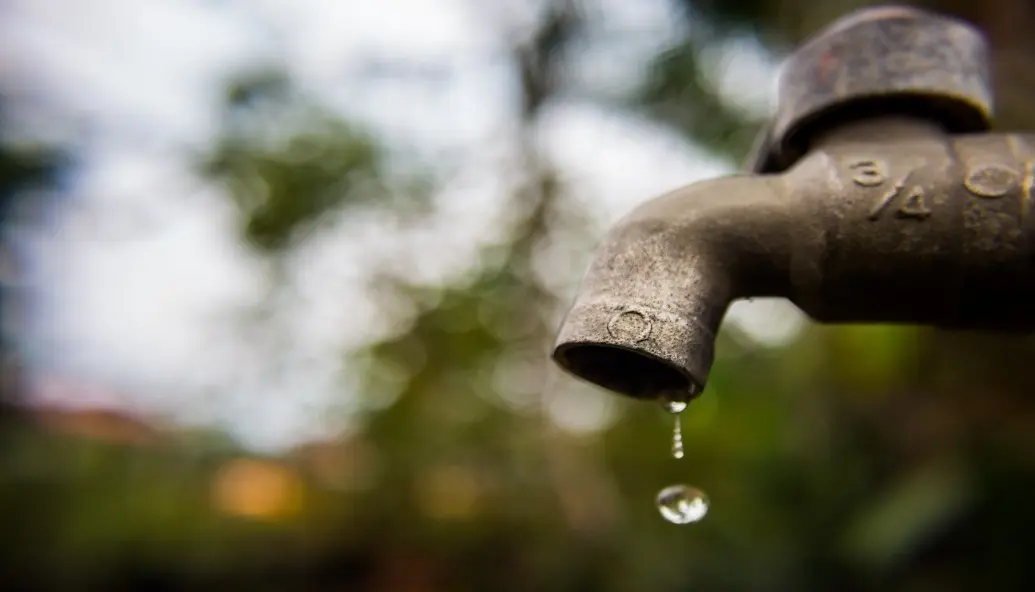
The water security of West Sussex has reached a critical juncture following the announcement that Ardingly Reservoir has plummeted to its lowest level since records began. This unprecedented decline in water storage has forced the Environment Agency to take the significant step of granting a rare drought permit to South East Water. The emergency measure is designed to safeguard the essential supply of water to approximately 280,000 customers across the region, highlighting the growing pressure on the UK’s aging infrastructure and the increasing volatility of seasonal weather patterns. As of late September, the reservoir was measured at just 23% of its total capacity, a figure that represents a stark departure from historical averages for this time of year and serves as a visual and statistical reminder of the persistent dry conditions that have plagued the local catchment area.
The decision to issue a drought permit is never taken lightly by regulatory bodies, as it involves a delicate balancing act between human consumption needs and the preservation of the natural environment. Under the terms of this specific permit, South East Water has been authorized to significantly reduce the volume of water it releases from the Ardingly Reservoir into the River Ouse. Typically, the utility company is required to maintain a steady flow of four million liters—or four megalitres—per day to support the river’s ecosystem and downstream water quality. However, under the emergency provisions of the permit, this requirement has been slashed to just one megalitre per day. This 75% reduction in flow is intended to preserve as much water as possible within the reservoir’s basin, ensuring that there is enough "dead storage" and usable volume to keep the taps running for hundreds of thousands of households and businesses in the coming months.
While the reduction in river flow is a necessary step to maintain public supply, it does not come without environmental risks. The River Ouse is a vital artery for local biodiversity, and a sustained decrease in water levels can lead to increased concentrations of pollutants, higher water temperatures, and potential distress for fish populations and aquatic vegetation. The Environment Agency and South East Water are expected to monitor these conditions closely, but the primary focus remains on the 280,000 residents who depend on the Ardingly system. The situation underscores the difficult choices faced by water managers when environmental protections must be temporarily eased to prevent a full-scale public utility crisis.
The current crisis at Ardingly is the culmination of a prolonged period of below-average rainfall that has prevented the reservoir from adequately recharging. Hydrologists point out that while a capacity of 23% is alarmingly low, the situation is not yet irreversible. Historically, the winter months in the United Kingdom provide the vast majority of the "effective rainfall" needed to replenish reservoirs and groundwater aquifers. Because temperatures are lower and plant life is dormant during the winter, less water is lost to evaporation and transpiration, allowing a higher percentage of rain to flow into catchments. If the region experiences even average winter rainfall between now and the early months of 2027, there is a strong possibility that Sussex could move out of its current drought status and into a period of recovery by the spring.
However, the margin for error is increasingly slim. The Environment Agency has cautioned that if the coming winter continues the trend of below-average precipitation, the water scarcity currently affecting West Sussex could persist well into 2027. This long-term risk has prompted a more cautious approach to water management, as the region cannot afford another dry winter. The drought permit itself is a time-limited intervention, set to remain in effect for six months, with an expiration date of March 29, 2027. This timeframe aligns with the end of the traditional recharge season, at which point authorities will re-evaluate whether the reservoir has recovered sufficiently to return to normal operating procedures. If conditions improve more rapidly than expected, South East Water has the option to withdraw the permit before the March deadline, allowing the River Ouse to return to its natural flow rates sooner.
The backdrop to this localized crisis is a broader national conversation regarding the performance and resilience of water companies. The industry has faced intense scrutiny over the past year, characterized by record fines and public outcry over service failures. Recently, South West Water was hit with a substantial £7.8 million fine following what regulators described as reckless failures in their management systems. While the situation in West Sussex is primarily driven by hydrological conditions, the pressure on South East Water to manage the Ardingly crisis effectively is immense. Public patience with water utilities is at an all-time low, and the successful management of this drought permit will be seen as a test of the company’s ability to protect both its customers and the local environment during a period of extreme climatic stress.
For the 280,000 customers affected, the immediate impact of the drought permit may not be visible at the kitchen tap, but the underlying vulnerability of the system is clear. South East Water is tasked with navigating the next six months without resorting to more drastic measures, such as widespread hosepipe bans or emergency pressure reductions, though these remain tools in the drought management arsenal should the situation deteriorate. The reliance on Ardingly Reservoir is a key component of the regional water grid, and its record-low levels serve as a warning of how quickly water security can be compromised by a sequence of dry seasons.
Providing a glimmer of hope for the region, the Met Office’s long-range forecasts currently suggest a return to more typical weather patterns. Predictions for the foreseeable future indicate that both rainfall and temperatures are likely to hover around the seasonal average. In the context of a drought-stricken reservoir, "average" is exactly what is needed. Consistent, moderate rainfall over several months is far more beneficial for reservoir recovery than sudden, heavy downpours, which often lead to runoff and localized flooding rather than deep infiltration and sustained replenishment of the water body. If the Met Office’s predictions hold true, the slow process of restoration can begin, gradually lifting the water levels from the 23% floor and easing the pressure on the River Ouse.
As the permit period begins, the focus will remain on the weather stations and the depth gauges at Ardingly. The six-month window provided by the Environment Agency offers a buffer, but it is a buffer that relies entirely on the cooperation of the elements. The transition from a state of drought to one of recovery is a slow and delicate process. Even with average rainfall, it will take months for the reservoir to reach levels that are considered safe for long-term supply. The residents of West Sussex and the 280,000 customers served by this system are now in a period of waiting, watching the skies and hoping that the predicted winter rains arrive in sufficient quantities to avert a more severe crisis in 2027.
The situation at Ardingly Reservoir is a stark reminder of the fragile relationship between infrastructure, regulation, and the natural environment. The granting of a rare drought permit is a signal of the severity of the situation, highlighting that even in a country known for its rain, water remains a finite and precious resource. As the Environment Agency and South East Water manage the reduction in flow to the River Ouse, the priority remains clear: keeping the water flowing to the public while praying for a wet winter to mend what the dry months have broken. For now, the region remains in a state of high alert, with the next six months proving decisive for the water future of Sussex.
Copyright © 2026 Energy Live News Ltd ELN