At the time, Adam was only 17, and the initial design for Detective Grimoire reflected a more conventional approach to the genre. The protagonist was a standard figure in a brown trenchcoat with brown hair—a design Vian admits was heavily inspired by Guybrush Threepwood and Ace Attorney’s Detective Gumshoe. It was a safe, recognizable archetype, but as Adam’s formal education in art progressed, so too did the visual identity of his characters.
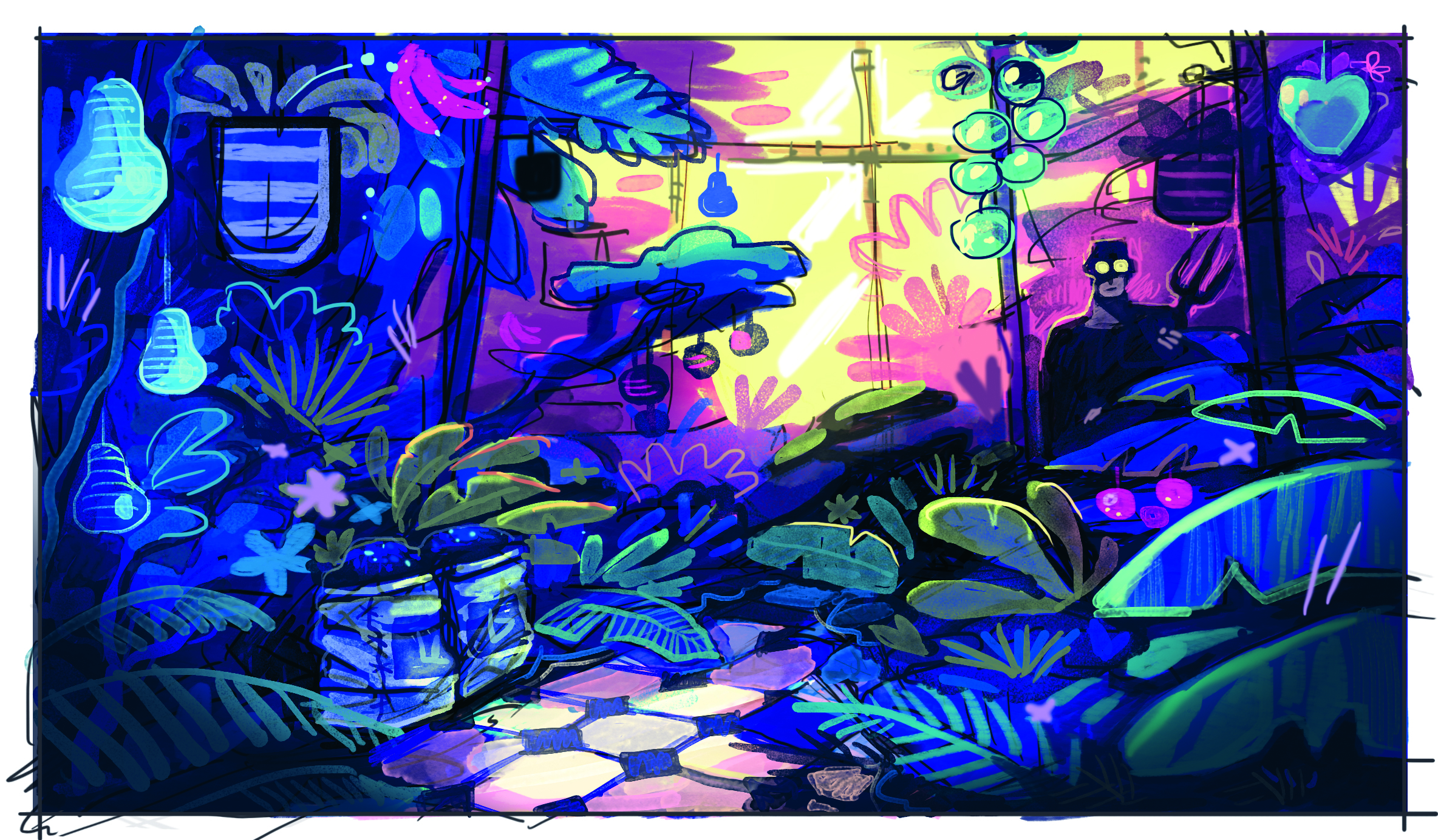
Artistic Maturation and the Unger Connection
The shift from "basic cartoon style" to the sophisticated aesthetic seen in modern SFB titles occurred during Adam’s time at the University for the Creative Arts. Art school exposed him to a broader range of influences and, perhaps more importantly, to key collaborators. It was here that he met Catherine Unger, an artist who has played a pivotal role in the visual direction of every Grimoire game since the series left its Flash roots.
"Not only is she a fantastic artist, but she’s so useful to have around during pre-production," Vian says of Unger. "I basically use her as a sounding board all day, every day, on ideas, and then we’ll bash them out together."
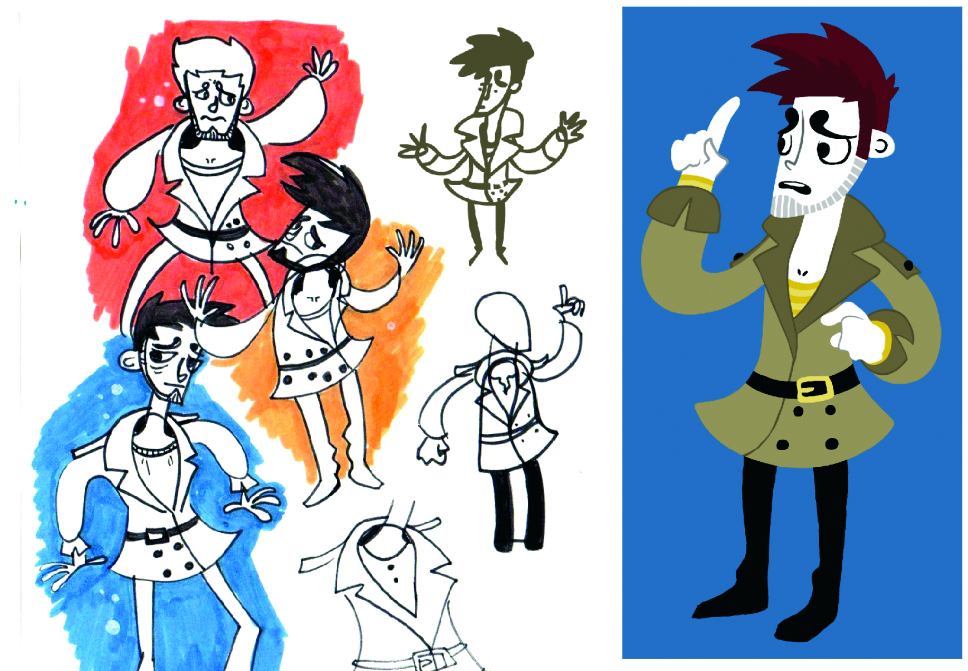
Their collaborative process is highly iterative. During the long pre-production phases where the world, story, and clues are designed, Adam and Catherine often work independently on character concepts before comparing notes. This "blind sketching" allows both artists to bring unique perspectives to the table before merging their ideas into a final, cohesive design.
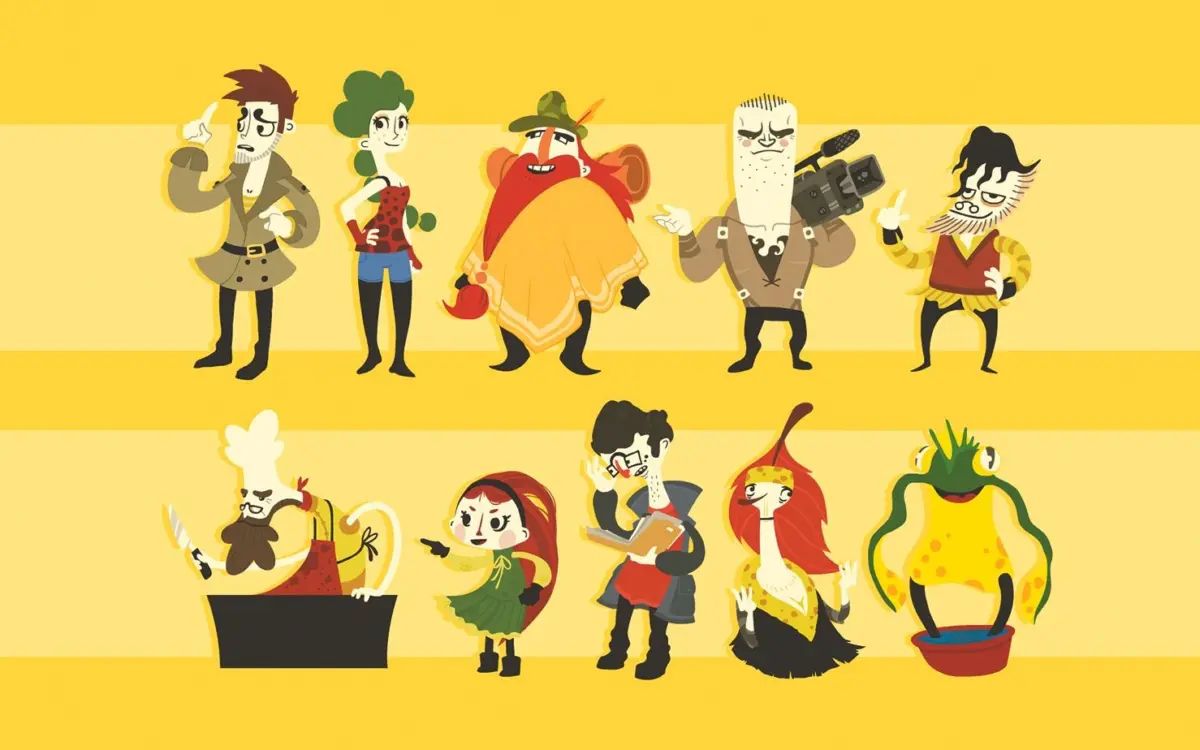
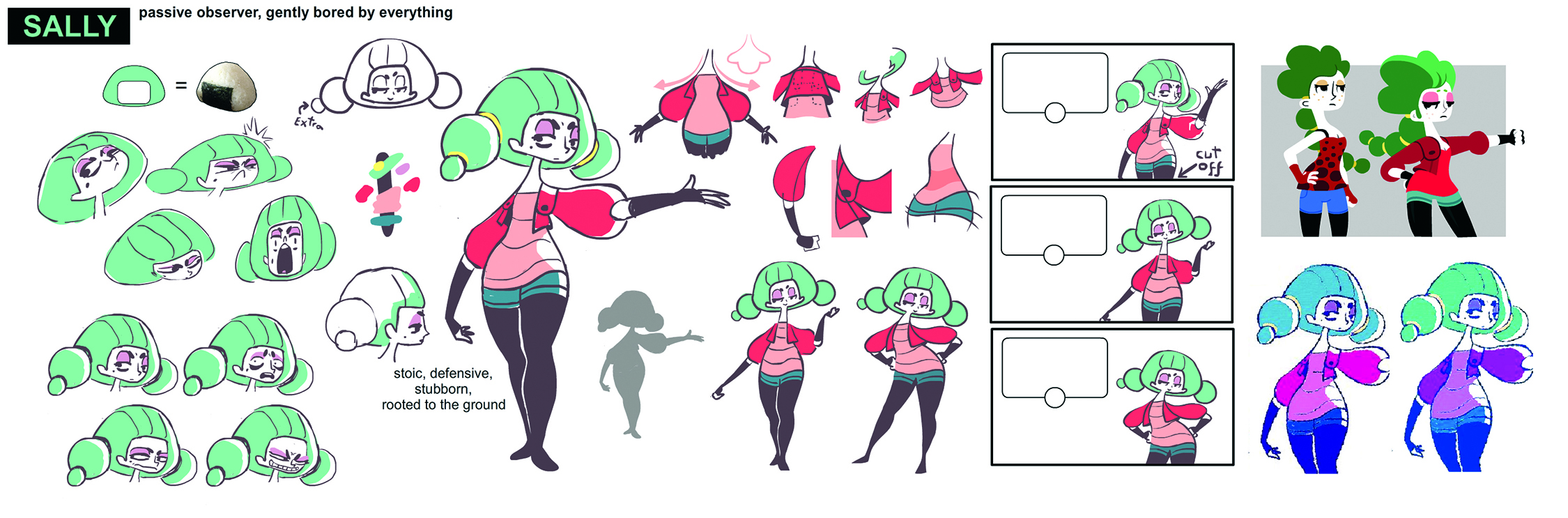
This evolution is evident in the character of Sally Spears. Originally a suspect in Detective Grimoire: Secret of the Swamp, Sally eventually evolved into Grimoire’s sardonic co-star. Her transformation included a complete visual overhaul, moving from a more grounded appearance to a highly stylized presentation featuring white skin and vibrant green hair.
Defining a Visual Language
The artistic identity of the Grimoire series is a tapestry of diverse influences. For Secret of the Swamp, Vian adopted a style featuring pure white skin for the characters—a choice made to ensure they remained distinct and readable against detailed backdrops. This was partly inspired by Richard Williams’ legendary, albeit unfinished, animated epic The Thief and the Cobbler.
Another major influence is Genndy Tartakovsky, the creator of Samurai Jack and Dexter’s Laboratory. Tartakovsky’s philosophy—that good character design is rooted in strong, distinct shapes—became a guiding principle for Vian.
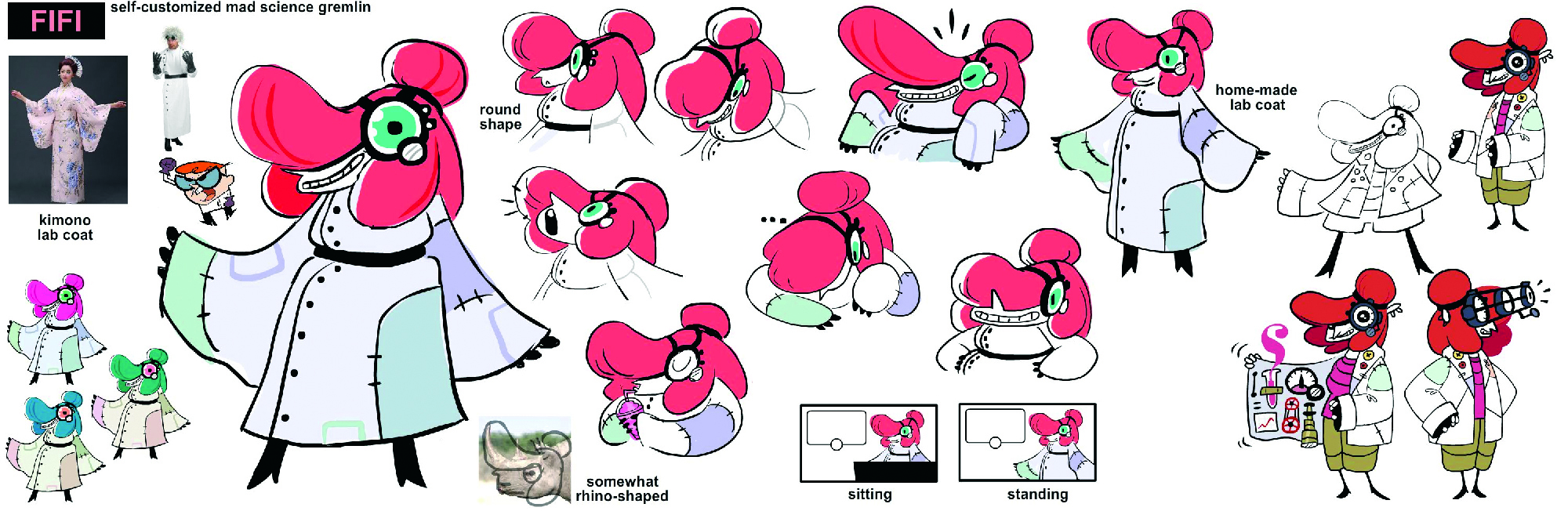
"I really tried to push the shape of the characters," Vian explains. "They’ll be big, long, thin, heads up here and mouths down here, and all over the place."
By the time the studio developed Tangle Tower, the art style had shifted again. Adam and Catherine moved away from the sharper edges of Secret of the Swamp toward a "blobby, soft, and cartoony" look. The Mermaid Mask represents a milestone for the series as the first entry that didn’t require a total visual reinvention. Instead, the team was able to build upon the established engine and character designs, allowing the game to feel like a true aesthetic sequel.