The history of the video game medium is frequently written as a linear march toward technological perfection. In this common narrative, the industry’s progress is measured by the transition from low-resolution 2D sprites to the hyper-realistic, high-fidelity 3D environments that dominate the modern AAA landscape. However, to view 2D art merely as a stepping stone or a vessel for nostalgia is to fundamentally misunderstand its potential for growth. For developers like Adam Vian, 2D art is a living, breathing discipline—one that evolves alongside an artist’s personal tastes, technical skills, and shifting influences.
Adam Vian, along with his brother Tom, has spent over two decades navigating the shifting tides of game development. Starting as teenagers during the "Wild West" era of internet animation, the duo initially gained fame as the Super Flash Bros. Their journey has taken them from the browser-based playgrounds of the early 2000s to prestigious collaborations with industry titans like Nintendo and Apple. While they have experimented with various genres—most notably the collaborative puzzle hit Snipperclips—their most enduring creative legacy is the Detective Grimoire series.
With the release of The Mermaid Mask, the fourth installment in the Grimoire saga, Adam Vian reflects on a career defined by rapid iteration, the importance of artistic collaboration, and the delicate balance of bringing 3D depth to a traditionally 2D world.
The Newgrounds Era: A Crucible for Creativity
The story of SFB Games begins on Newgrounds, a cornerstone of early 2000s internet culture. For the Vian brothers, the Adobe Flash platform offered an accessible entry point into a world that previously felt reserved for large corporations.
"With my brother Tom, we got started with Flash back in the early 2000s," Adam Vian recalls. "It seemed kind of accessible, like something a teenager could make. Video game parodies were a big thing, and the internet didn’t have copyright detection, so you could just post stuff with copyrighted characters or music."
This environment allowed for a unique kind of creative freedom. Their first project, Kirby’s Star Scramble, was born from the practical reality that Kirby is a character composed of simple shapes—an ideal subject for a burgeoning artist. The brothers adopted a grueling but effective development cycle, often producing entire games in a single week. This pace established a clear division of labor that persists to this day: Tom handles the programming, while Adam serves as the artist and animator.
This period was more than just a hobby; it was an "accelerant" for their professional development. By releasing games quickly and receiving instantaneous feedback from the Newgrounds community, the Vians were able to refine their craft in real-time.
"I always think that was this amazing kind of accelerant for us, where we got through all of our bad ideas really quickly," Adam explains. "They say everyone has a thousand bad drawings in them and you have to get them out of the way before you can do a good drawing. For us, it’s like everyone has a hundred bad games in them, and we did them really quickly."
The Birth of a Detective
The Detective Grimoire series emerged from this prolific era, heavily influenced by the brothers’ love for the adventure genre. They grew up on classics like Monkey Island and Indiana Jones and the Fate of Atlantis, but it was the release of Capcom’s Ace Attorney: Phoenix Wright that provided the spark for their own mystery series.
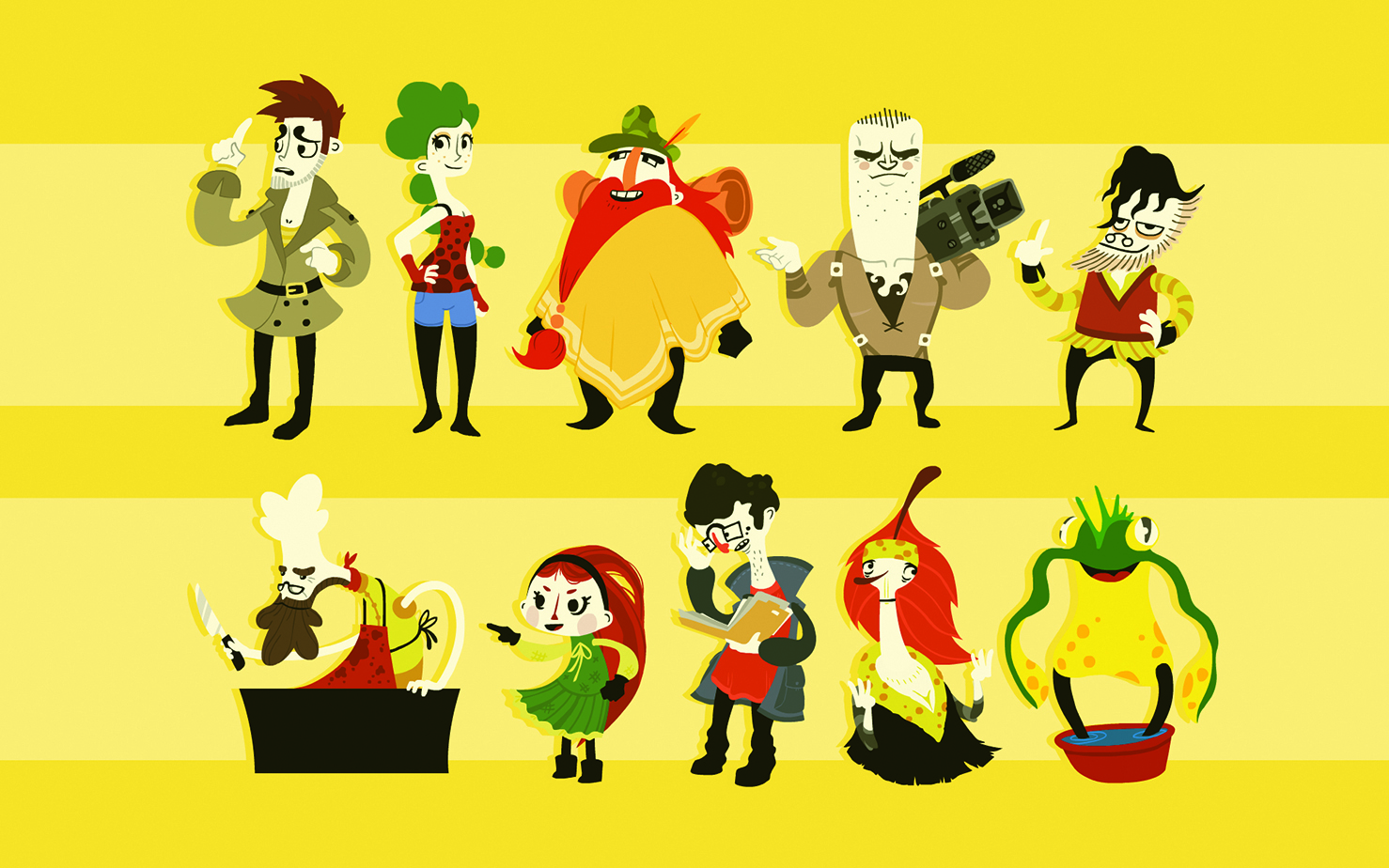
"We played Phoenix Wright and thought it was amazing that this is a game where all you really did is click on things and talk to people, and the characters are wacky and it’s funny," Vian says. "We wanted to make something like this."
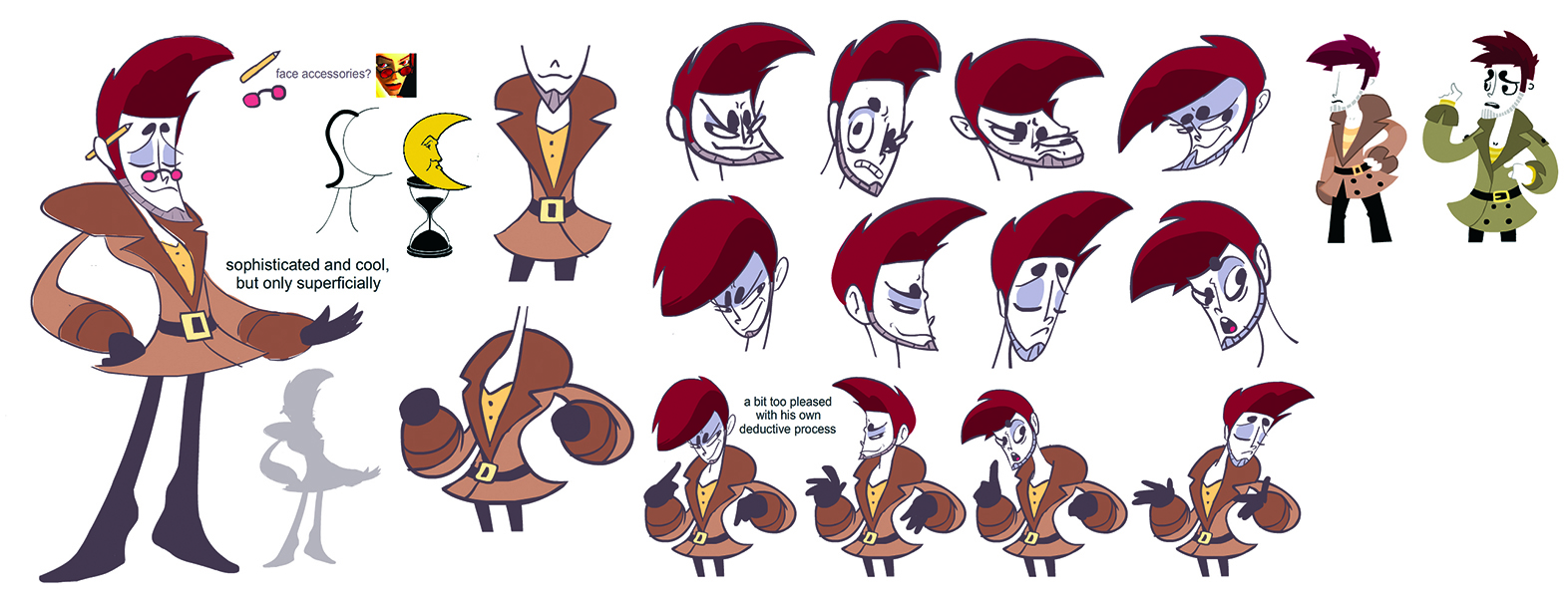
At the time, Adam was only 17, and the initial design for Detective Grimoire reflected a more conventional approach to the genre. The protagonist was a standard figure in a brown trenchcoat with brown hair—a design Vian admits was heavily inspired by Guybrush Threepwood and Ace Attorney’s Detective Gumshoe. It was a safe, recognizable archetype, but as Adam’s formal education in art progressed, so too did the visual identity of his characters.
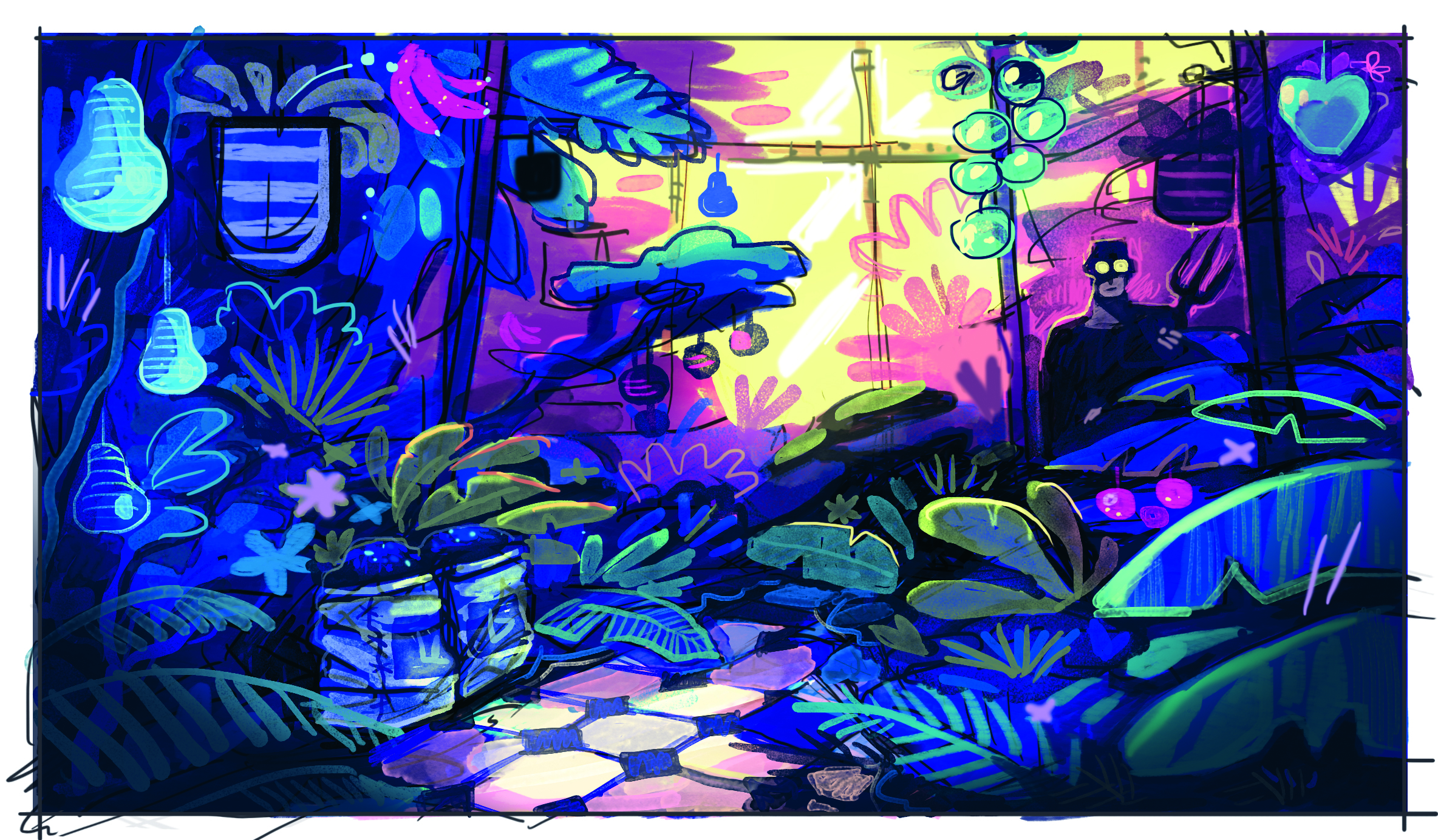
Artistic Maturation and the Unger Connection
The shift from "basic cartoon style" to the sophisticated aesthetic seen in modern SFB titles occurred during Adam’s time at the University for the Creative Arts. Art school exposed him to a broader range of influences and, perhaps more importantly, to key collaborators. It was here that he met Catherine Unger, an artist who has played a pivotal role in the visual direction of every Grimoire game since the series left its Flash roots.
"Not only is she a fantastic artist, but she’s so useful to have around during pre-production," Vian says of Unger. "I basically use her as a sounding board all day, every day, on ideas, and then we’ll bash them out together."
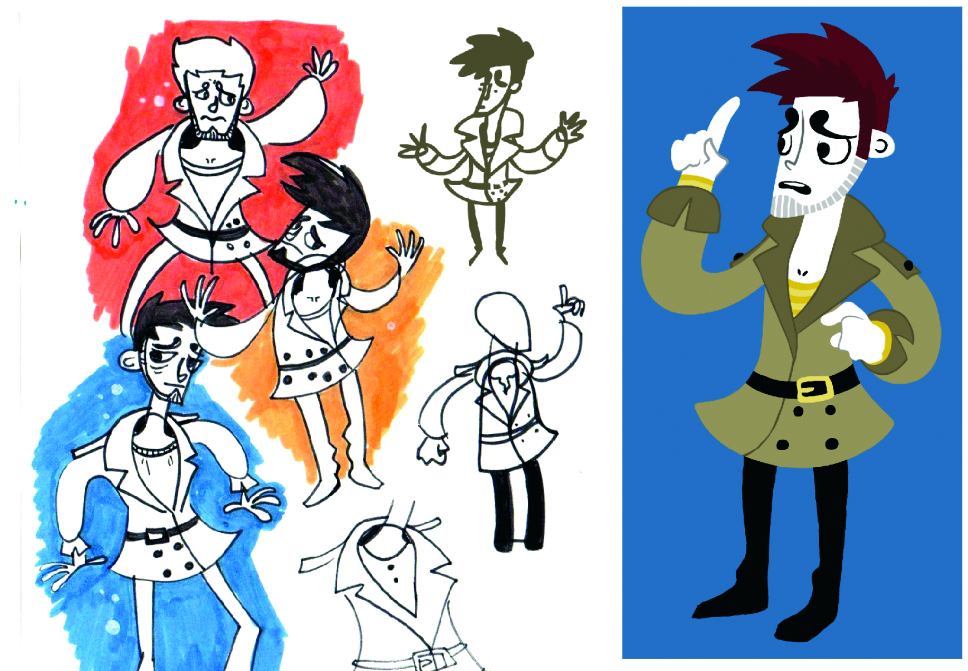
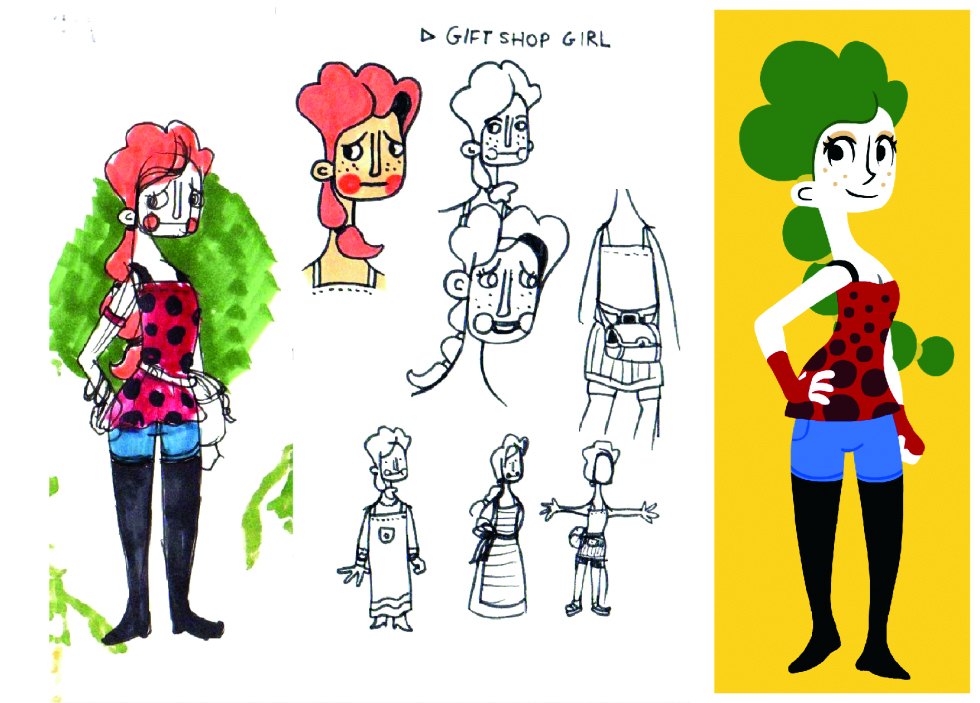
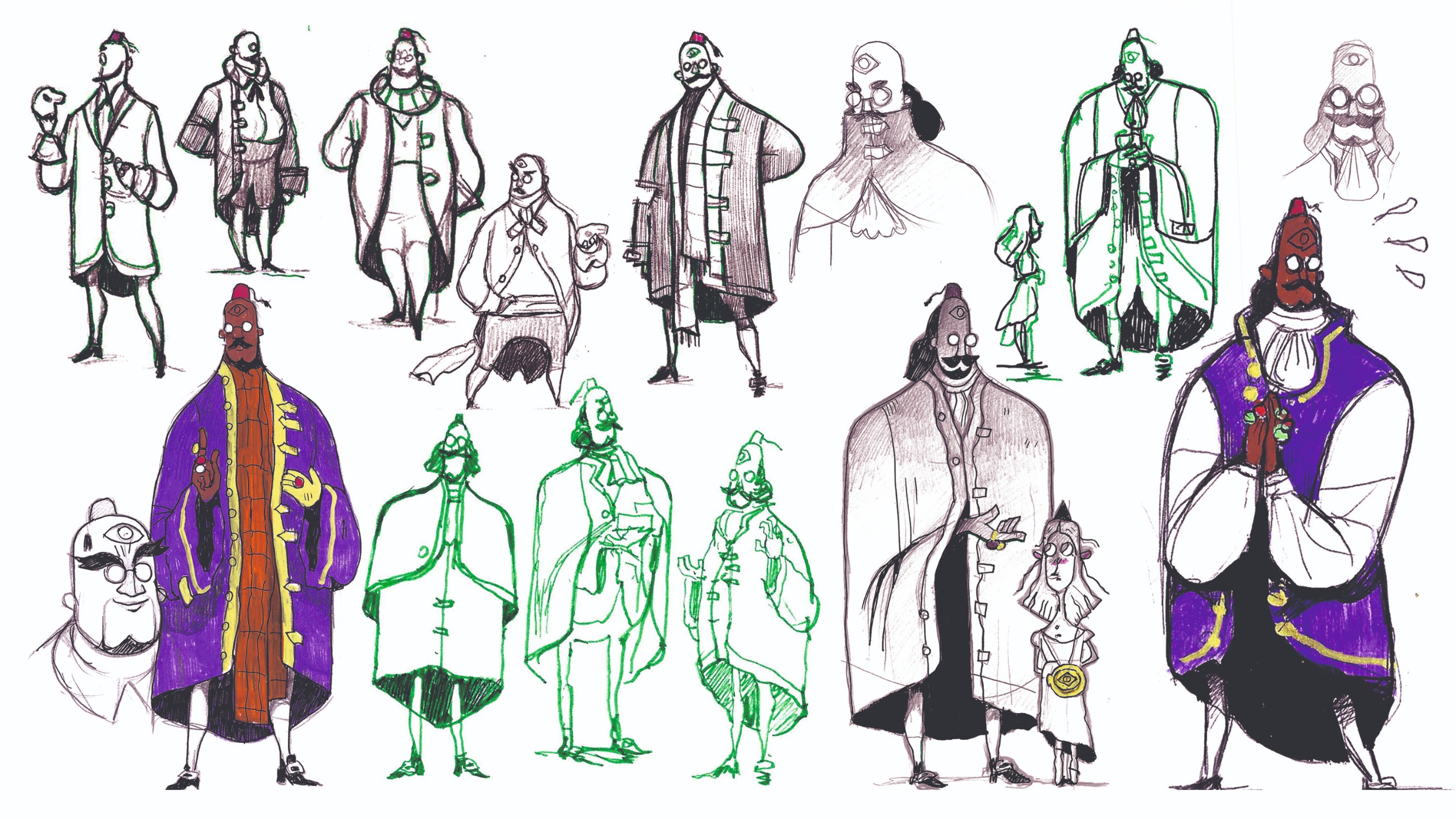
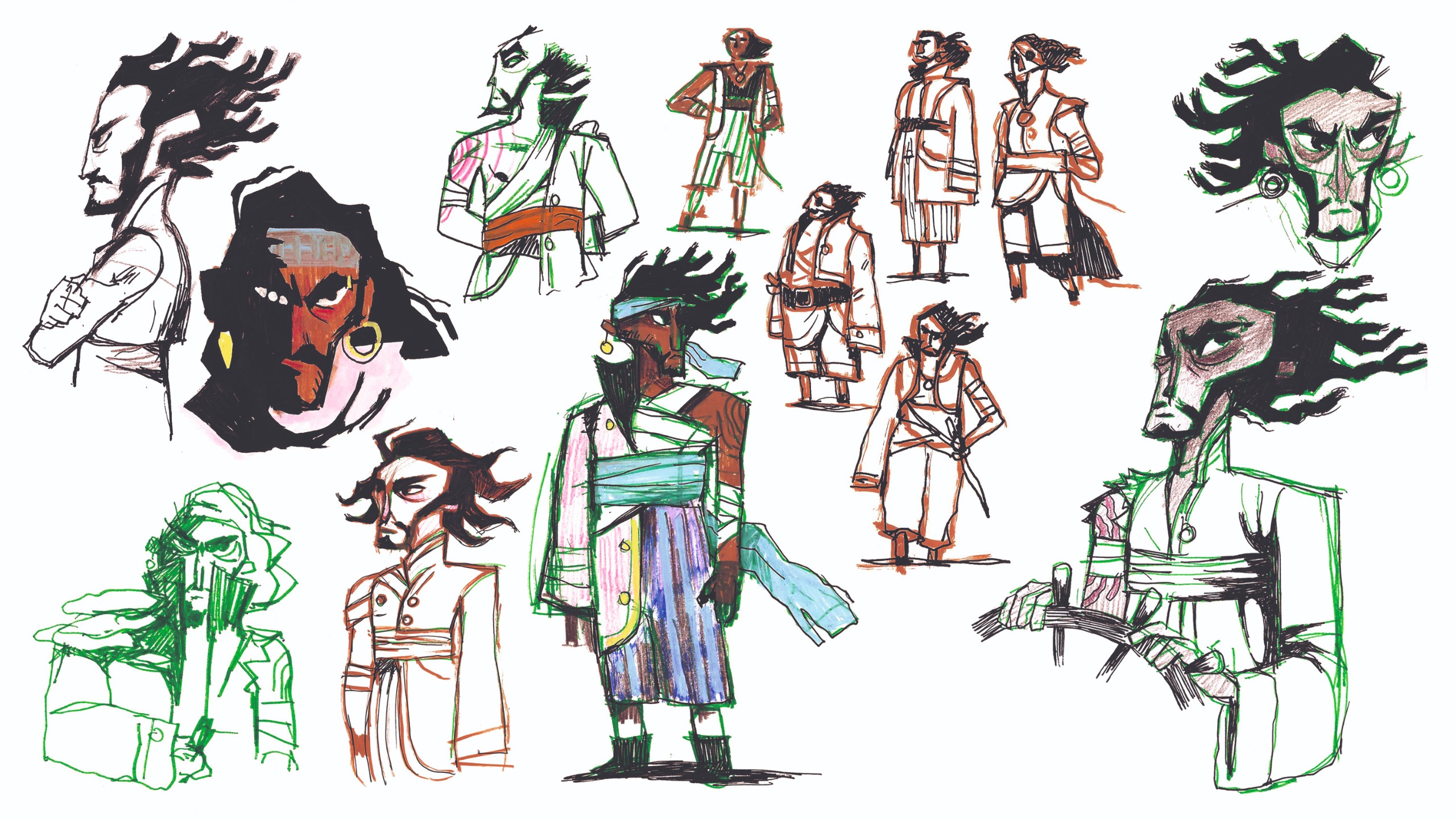
Their collaborative process is highly iterative. During the long pre-production phases where the world, story, and clues are designed, Adam and Catherine often work independently on character concepts before comparing notes. This "blind sketching" allows both artists to bring unique perspectives to the table before merging their ideas into a final, cohesive design.
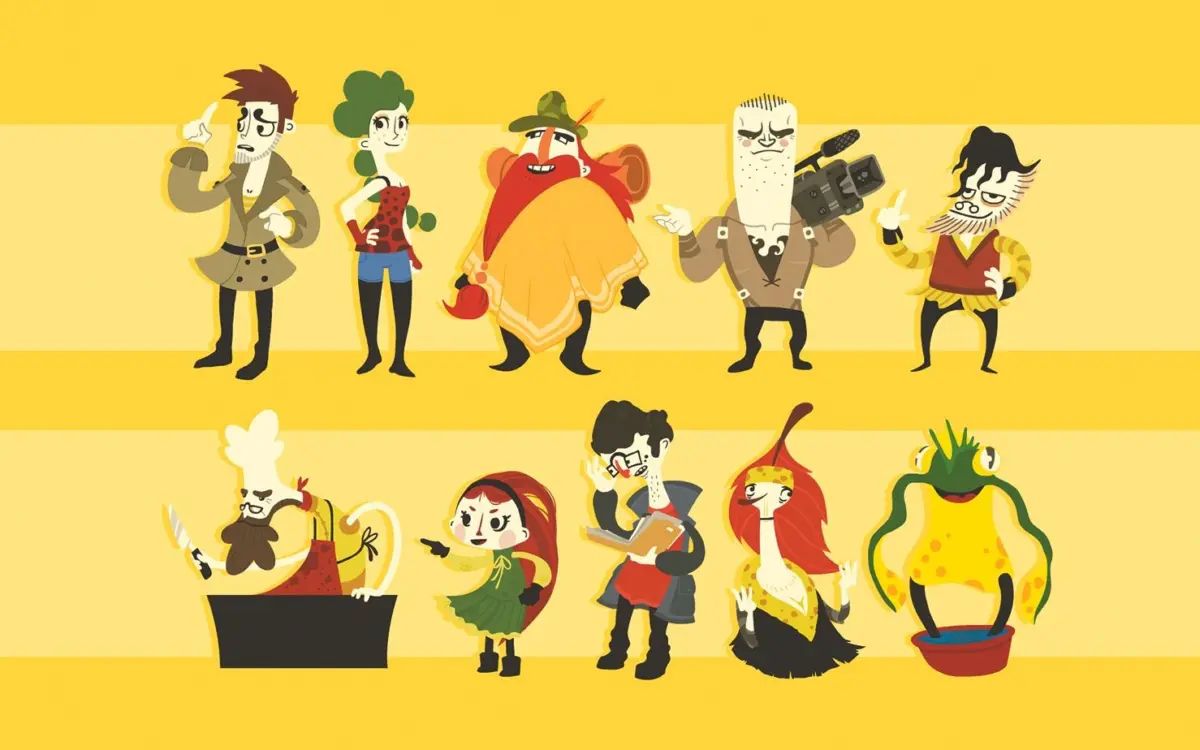
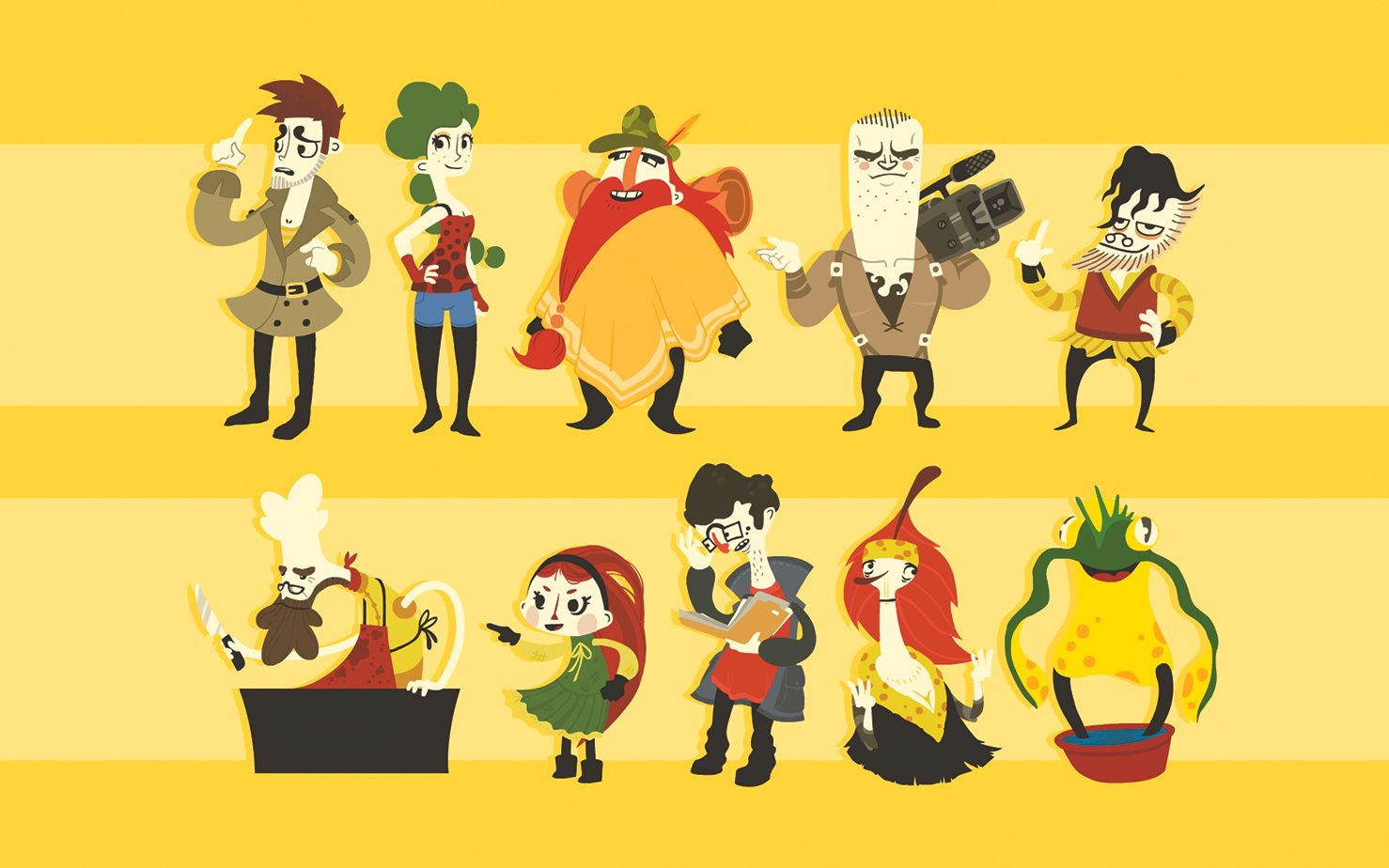
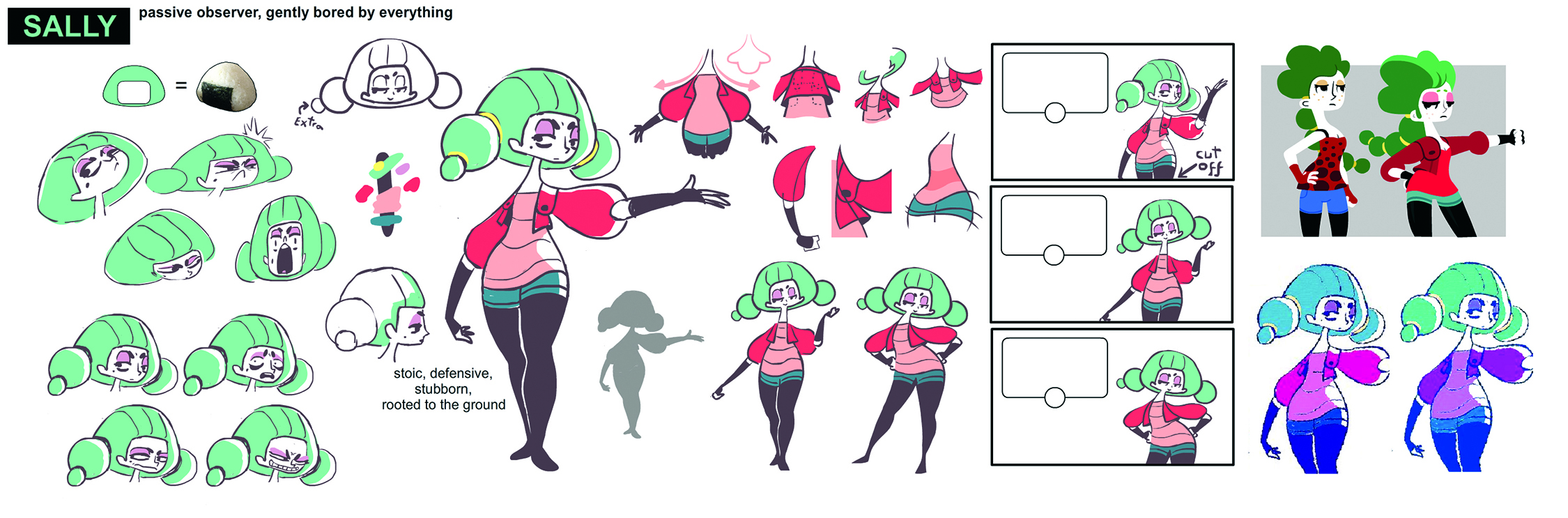
This evolution is evident in the character of Sally Spears. Originally a suspect in Detective Grimoire: Secret of the Swamp, Sally eventually evolved into Grimoire’s sardonic co-star. Her transformation included a complete visual overhaul, moving from a more grounded appearance to a highly stylized presentation featuring white skin and vibrant green hair.
Defining a Visual Language
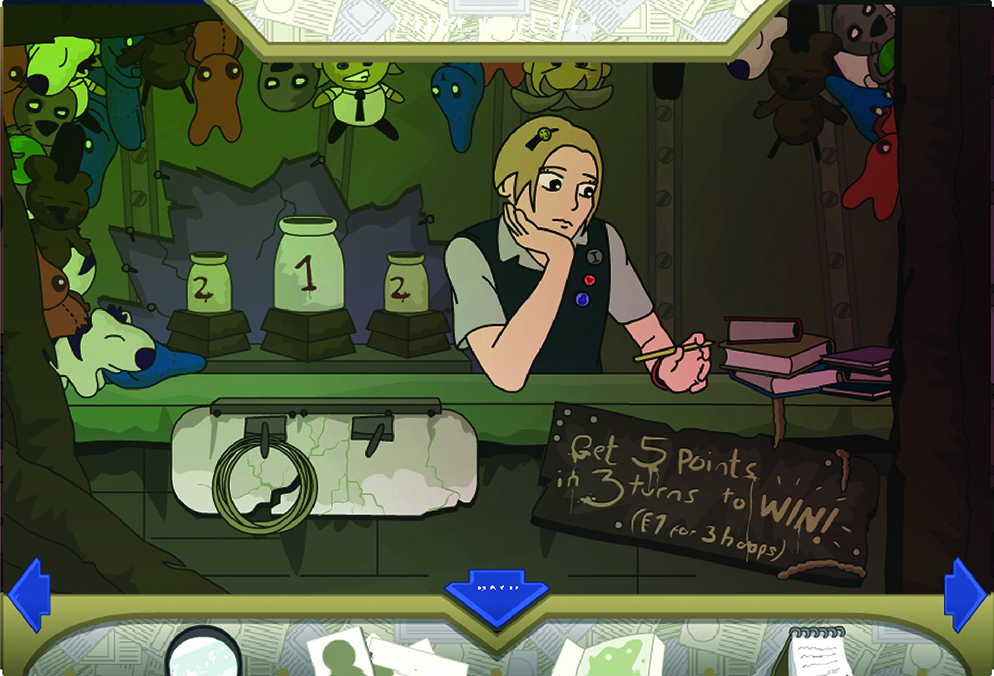
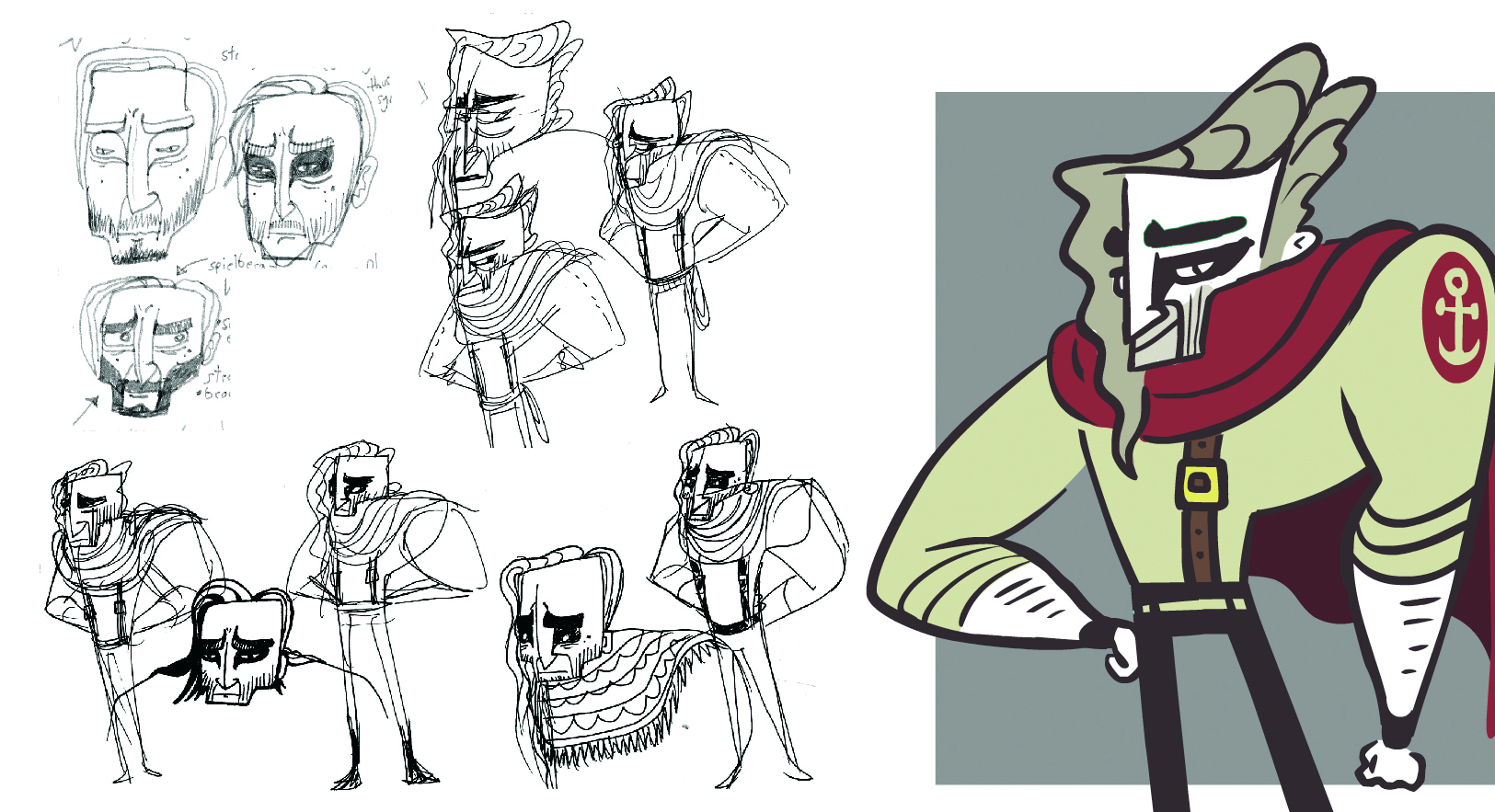
The artistic identity of the Grimoire series is a tapestry of diverse influences. For Secret of the Swamp, Vian adopted a style featuring pure white skin for the characters—a choice made to ensure they remained distinct and readable against detailed backdrops. This was partly inspired by Richard Williams’ legendary, albeit unfinished, animated epic The Thief and the Cobbler.
Another major influence is Genndy Tartakovsky, the creator of Samurai Jack and Dexter’s Laboratory. Tartakovsky’s philosophy—that good character design is rooted in strong, distinct shapes—became a guiding principle for Vian.
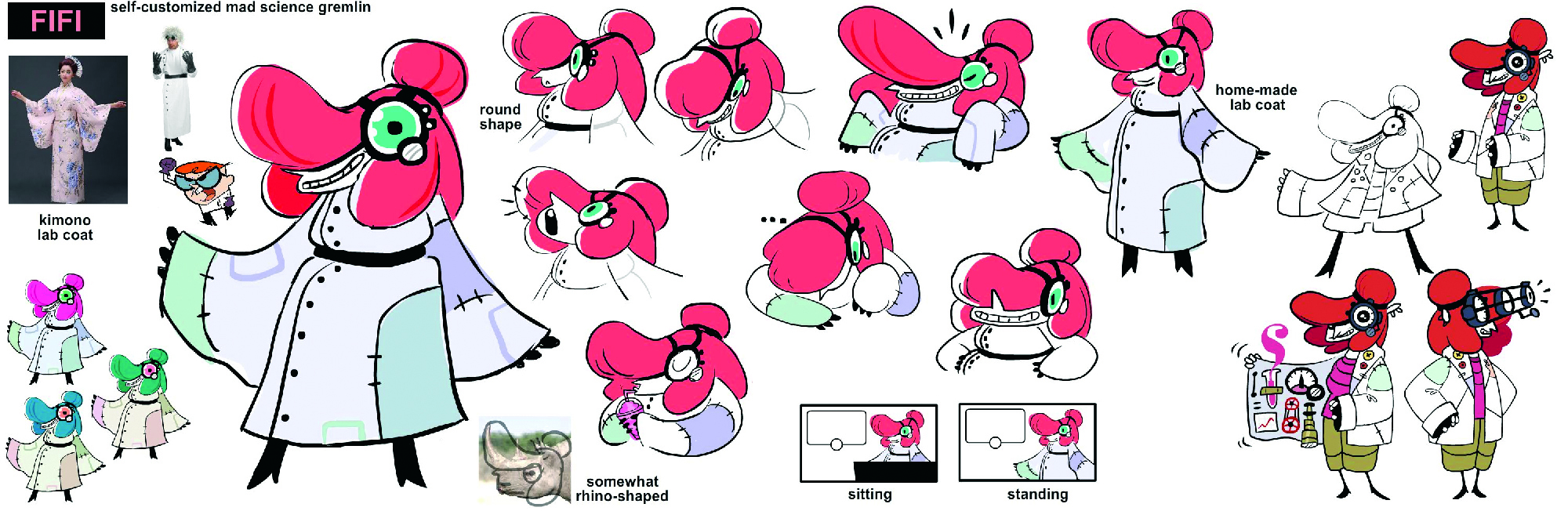
"I really tried to push the shape of the characters," Vian explains. "They’ll be big, long, thin, heads up here and mouths down here, and all over the place."
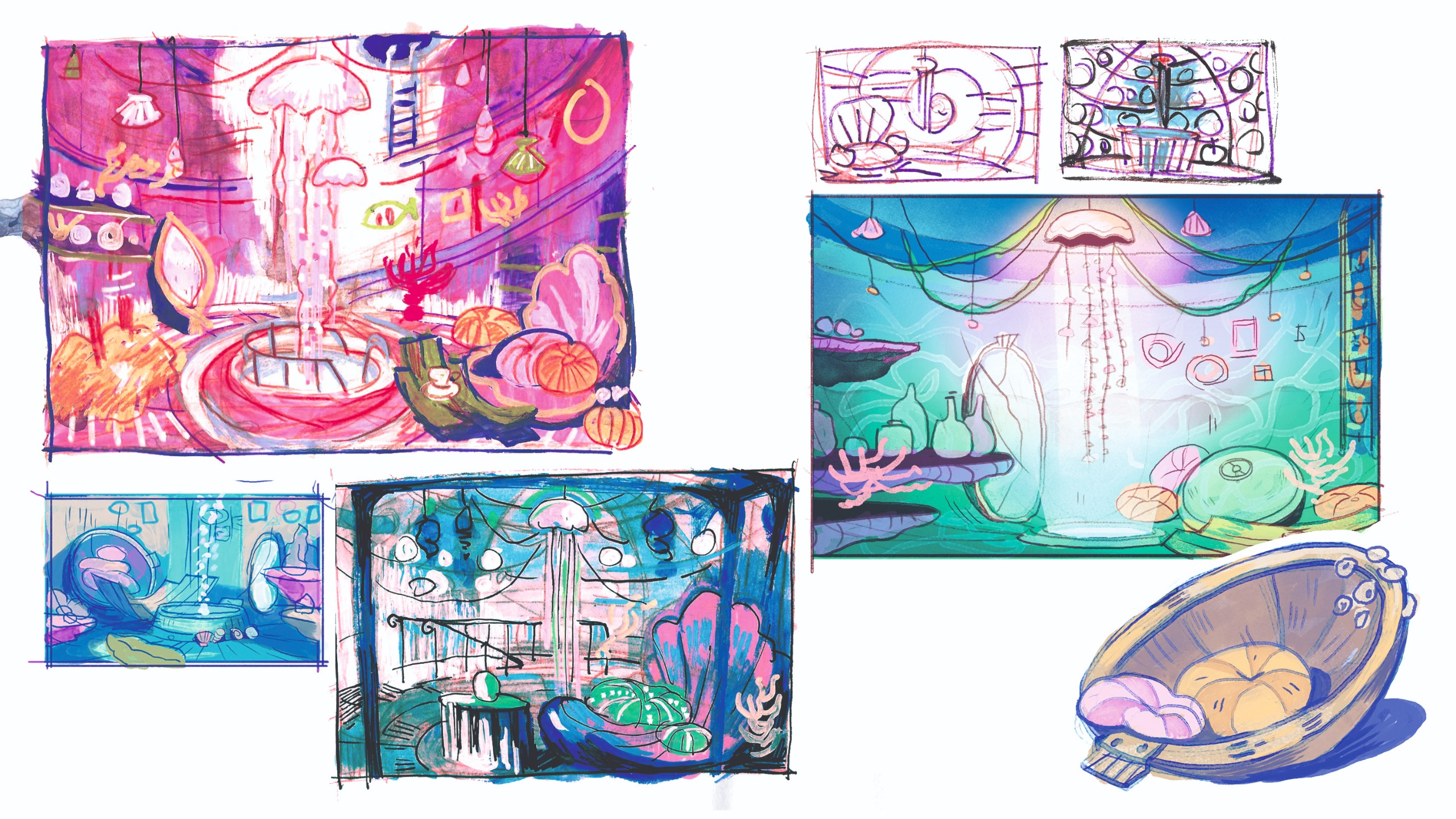
By the time the studio developed Tangle Tower, the art style had shifted again. Adam and Catherine moved away from the sharper edges of Secret of the Swamp toward a "blobby, soft, and cartoony" look. The Mermaid Mask represents a milestone for the series as the first entry that didn’t require a total visual reinvention. Instead, the team was able to build upon the established engine and character designs, allowing the game to feel like a true aesthetic sequel.
Integrating 3D into a 2D World
While the series remains rooted in hand-drawn 2D art, The Mermaid Mask introduces 3D elements in a way that enhances the gameplay without breaking the established style. This innovation was born from a desire to make the game’s "clues" more interactive.
"In Tangle Tower, they’re just one drawn picture, and that’s it," Vian says. "But wouldn’t it be more fun if you could look behind it, or if it’s a book, wouldn’t you want to open it?"
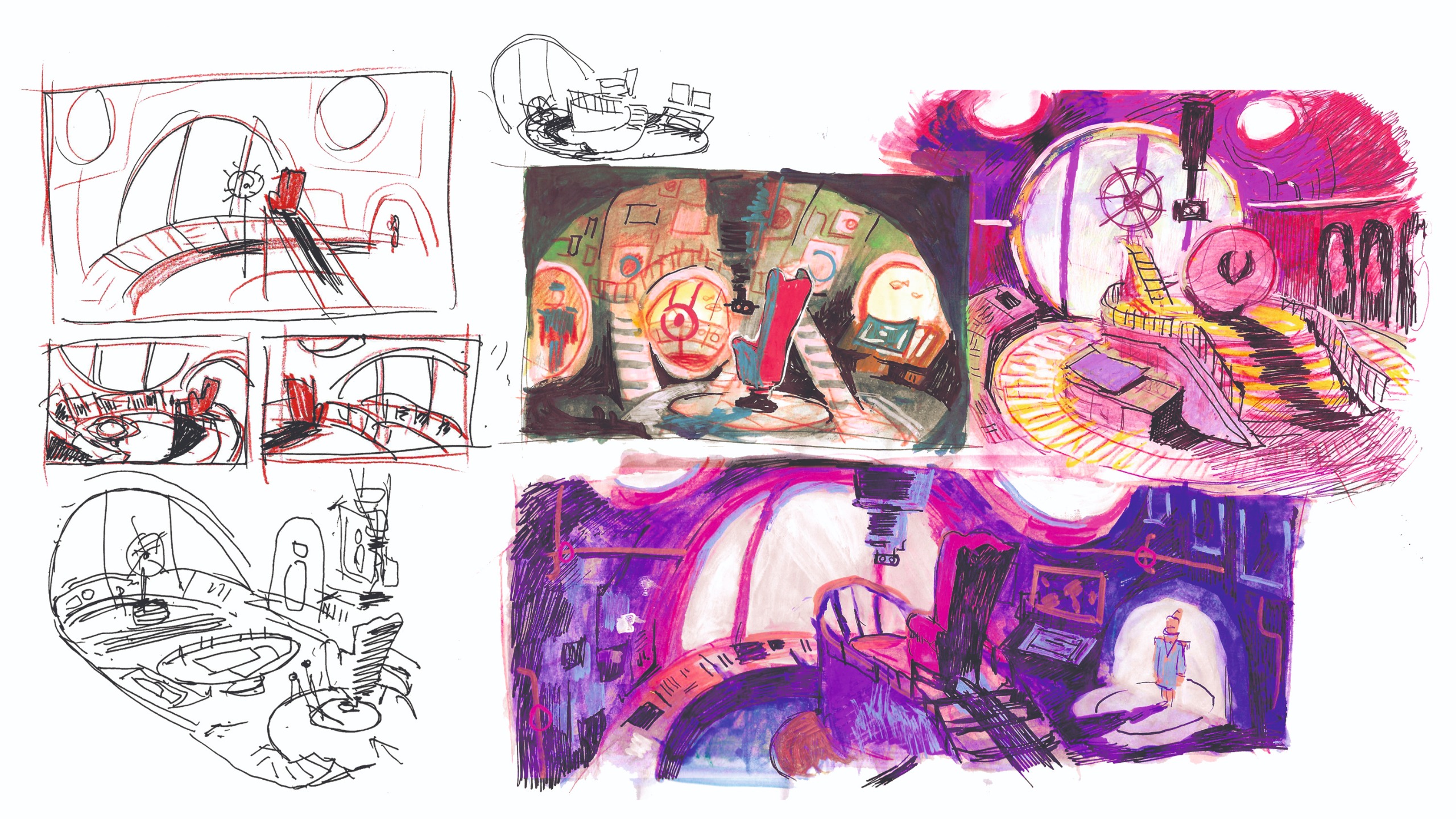
To achieve this, the team collaborated with 3D artist Kindra Dantone, who possessed a unique ability to mimic Catherine Unger’s painting style. The process involves Unger painting a final concept, which Dantone then models and textures to match. To bridge the gap between the 3D models and the 2D world, Tom Vian programmed a custom "tech art" solution that generates a dynamic, slightly "wobbly" outline around the models, simulating the look of a hand-drawn brushstroke.
This hybrid approach allows players to manipulate objects in a 3D space—examining the back of a mask or opening a chest—while maintaining the painterly charm that defines the series. It moves the experience away from the static nature of a visual novel and closer to a tactile, interactive toy.
Advice for the Next Generation
Reflecting on his journey from a teenage animator to a creative director, Vian offers pragmatic advice for aspiring game artists. He emphasizes the value of finishing small, manageable projects rather than becoming paralyzed by the ambition of a "magnum opus."
"The best thing you can do to gain experience is to actually finish a project, because finishing something—getting it ready for release—is half the battle," he says. "If you pick a small project, you get to that phase quicker and you actually experience it."
Vian warns against the common trap of attempting an open-world RPG or a massive epic too early in one’s career. By utilizing modern platforms like itch.io and Unity, today’s developers can replicate the rapid feedback loop of the Flash era, building the necessary skills to eventually tackle larger, more complex stories.
As Detective Grimoire embarks on his latest investigation in The Mermaid Mask, the game stands as a testament to the power of artistic evolution. By embracing their roots while constantly seeking new influences and technical solutions, SFB Games has proven that 2D adventure games are not just a relic of the past, but a vibrant and expanding frontier in modern game design.
The Mermaid Mask is currently available for PC, PlayStation 5, and Nintendo Switch.