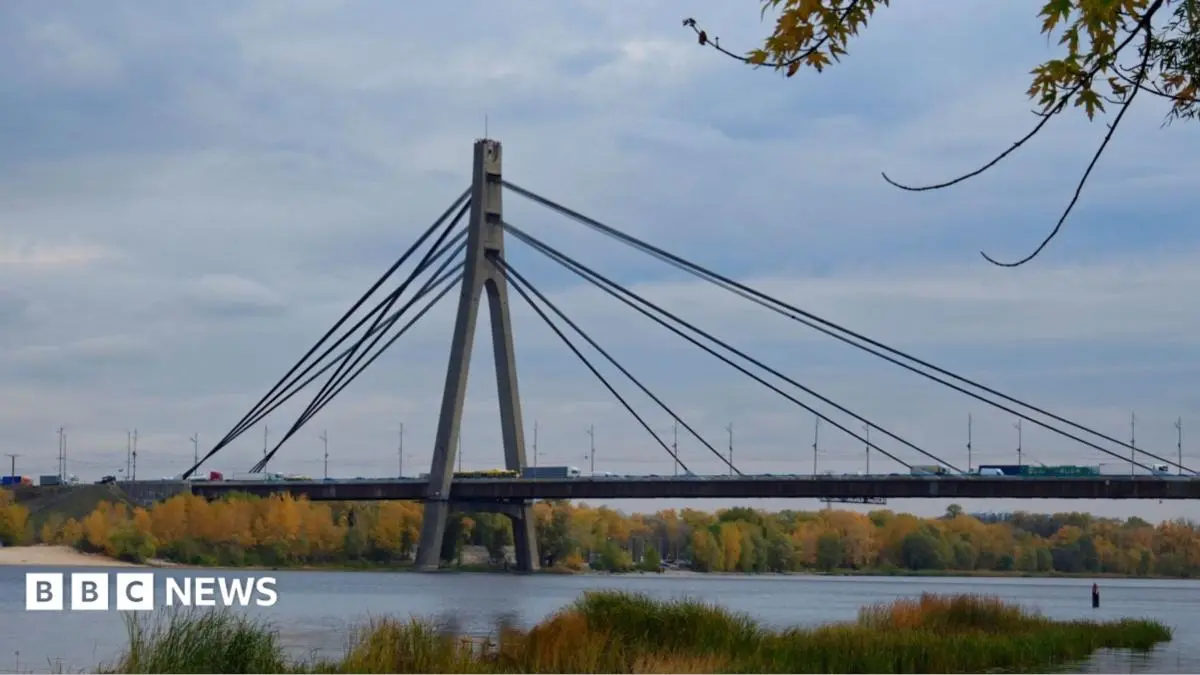
The categories of targets highlighted by Klitschko—critical infrastructure, logistics, and housing—underscore the comprehensive nature of the ongoing bombardment. Critical infrastructure refers to the essential systems that keep the city livable, including electricity grids, heating plants, and water treatment facilities. When these systems are battered, hundreds of thousands of residents are left without power, clean water, or warmth. Logistics, which encompasses the transport networks, roads, and bridges like the North and Southern Bridges, are targeted to prevent the efficient movement of goods, emergency services, and defensive forces. Meanwhile, the targeting of housing directly threatens the safety of families in their own homes, creating a climate of fear and forcing many to seek shelter underground.
The strategic rationale behind these systematic strikes has been the subject of sharp rhetorical exchanges between Kyiv and Moscow. Russian President Vladimir Putin has publicly sought to justify the targeting of Ukrainian infrastructure, claiming that Russia’s actions are a direct response to Ukrainian strikes on Russian energy facilities. Putin’s framing of the campaign as a retaliatory measure is designed to project a sense of strategic equivalence and place the responsibility for the escalation on Ukraine. However, this narrative is strongly contested by Ukrainian officials and international observers, who point out that it was Moscow that first launched systematic attacks on energy and civilian infrastructure early in the conflict, establishing a precedent of targeting non-military utility networks.
The assertion that Moscow initiated the attacks on energy facilities is supported by the historical timeline of the conflict. Well before Ukraine began targeting facilities within Russian territory, the Russian military had launched sustained missile and drone campaigns aimed at dismantling Ukraine’s power grid, particularly during the winter months. These early strikes were widely condemned as attempts to weaponize the weather and inflict maximum suffering on the civilian population by cutting off heating and electricity. The current cycle of strikes and counterstrikes represents a continuation of this high-stakes infrastructure war, with both sides recognizing the critical role that energy and