Arizona State University (ASU), which was singled out alongside the Ivy League institutions, highlighted its role as a major producer of STEM (science, technology, engineering, and mathematics) graduates. An ASU spokesperson noted that the university employs one of the largest technical and scientific workforces in the nation, which they argued is a boon to both the state and national economies.
“ASU has hired the talent needed to perform these functions and done so in complete compliance with existing United States policy and law,” the spokesperson said, emphasizing that their hiring practices are designed to meet the high demand for specialized research talent.
Stanford University also issued a brief statement, asserting that it complies with all applicable visa laws and will cooperate fully with the federal investigation.
The Economic and National Security Context
The investigation arrives at a time of heightened scrutiny regarding the intersection of higher education, federal funding, and immigration policy. The administration’s focus on the $20,000 wage disparity suggests a shift toward viewing university research environments through the lens of domestic labor protection.
For years, the American academic model has relied heavily on the influx of international talent, particularly in high-level STEM fields where domestic supply often struggles to meet the demands of massive, federally funded research projects. Universities argue that the J-1 program is a vital tool for maintaining the United States’ position as the world’s premier destination for scientific inquiry.
However, the Task Force to Eliminate Fraud appears to be challenging the status quo, suggesting that the "competitive advantage" described by universities may actually be a mechanism for labor exploitation that suppresses the earning potential of American citizens. By highlighting the 61 percent usage rate at these nine institutions, the administration is attempting to paint a picture of an academic elite that has become disconnected from the economic interests of the American public.
Furthermore, the mention of "foreign influence" and China adds a national security dimension to what might otherwise be a budgetary or labor dispute. The administration has frequently raised alarms about the theft of intellectual property and the potential for foreign governments to use academic exchanges as a means of industrial espionage. By linking J-1 visa "abuse" to these broader security concerns, the Labor Department is positioning the investigation as a matter of national defense as much as a matter of labor law.
As the Labor Department begins the process of reviewing the documents obtained through its subpoenas, the higher education sector is bracing for a protracted legal and political battle. The outcome of the investigation could have far-reaching implications for how universities staff their research departments and how the federal government oversees the billions of dollars in grants it distributes annually to the nation’s top colleges.
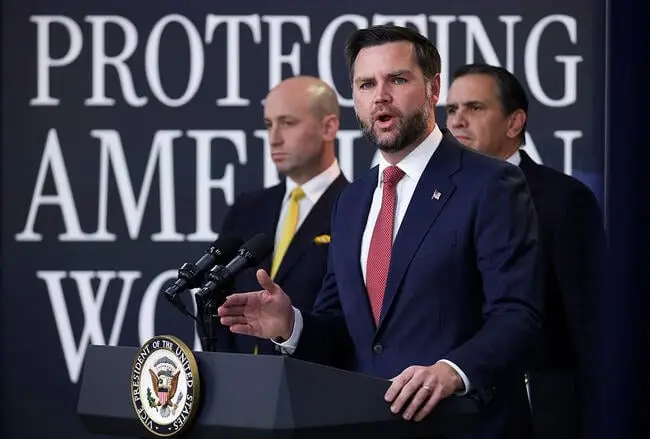
For now, the administration remains firm in its stance. As Inspector General D’Esposito noted, the focus remains on ensuring that federal money is used to support American workers and that prestigious institutions are held to the same legal standards as any other employer. The investigation continues as the Labor Department seeks to determine if the "something weird" identified by Vice President Vance constitutes a systemic violation of federal law.